Brussels Emerges as a Global Hub for High-Priced Beer and Cigarettes According to Deutsche Bank’s Oasis Index

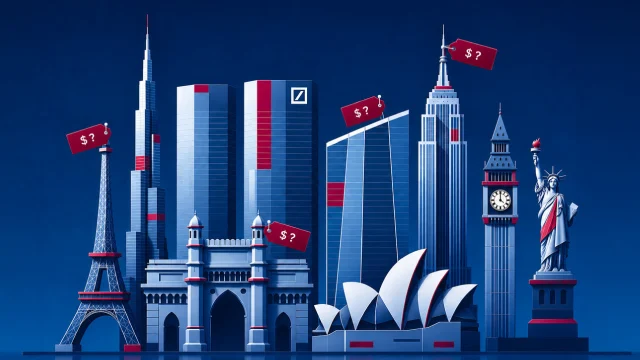
Brussels, the vibrant capital of Belgium and the de facto capital of the European Union, has firmly established itself as one of the world’s most expensive cities for purchasing a quintet of beers and two packets of cigarettes. This notable ranking comes courtesy of Deutsche Bank’s annual "Oasis Index," a comprehensive cost-of-living analysis that, for years, has provided a unique lens into global consumer prices through the prism of two universally recognized commodities: beer and tobacco. The index, humorously named after the iconic British band’s anthem "Cigarettes & Alcohol," meticulously tracks the expenditure required to acquire these specific items across a diverse array of major global cities.
The Oasis Index: A Novel Approach to Global Cost of Living
The Oasis Index, developed by Deutsche Bank’s research institute, stands apart from traditional economic indicators like the Big Mac Index or the price of lipstick. Its proponents argue that by focusing on everyday consumables with relatively stable demand, the index offers a more "real view" into the day-to-day living costs experienced by residents and visitors alike. This year’s report, which analyzes 69 cities worldwide, has seen Brussels ascend the ranks, solidifying its position among the priciest urban centers for these particular goods.
The recent findings place Brussels at the 18th position globally, a significant climb that indicates a substantial increase in the cost of beer and cigarettes within the Belgian capital over recent years. While not at the very apex of the list, its placement is notably higher than several other major European capitals, including London, which ranked 5th, followed by Birmingham at 6th, Dublin at 7th, Helsinki at 14th, and Paris at 16th. This suggests a broader trend of rising prices for these items across Western Europe, with Brussels experiencing a particularly pronounced upward trajectory.
A Chronicle of Rising Costs in Brussels
The evolution of Brussels’ standing within the Oasis Index paints a clear picture of escalating prices. The report highlights a dramatic shift over the past six years. In 2019, the cost of five beers and one packet of cigarettes in Brussels typically ranged between €18 and €20. This figure, when compared to today’s pricing, reveals a startling reality: consumers would now need to effectively double that amount, and might still find themselves short of purchasing the same quantity. This doubling of prices over a relatively short period underscores the inflationary pressures and specific fiscal policies impacting these goods in the Belgian capital.
Belgian Taxation: A Key Driver of Price Hikes
A significant contributing factor to the elevated cost of beer and cigarettes in Brussels, and indeed across Belgium, is the nation’s robust excise duty system. Similar to Australia’s "sin tax" policies, which are designed to discourage consumption of certain goods through increased pricing, Belgium levies substantial excise duties on tobacco products. These duties are not merely a revenue-generating mechanism but are also increasingly aligned with broader public health initiatives.
The Belgian government, in line with directives from the European Union, has been actively working to reduce smoking consumption. A key component of this strategy involves the periodic increase of tobacco taxes. The report explicitly mentions that these taxes are set to rise further in 2028. This commitment to escalating excise duties on tobacco signals an ongoing effort to make smoking less affordable and, consequently, less prevalent. While the impact on beer prices is less directly linked to public health mandates, it is often subject to broader taxation policies and market dynamics that can contribute to its overall cost.
Global Perspective: A Relative Affordability Amidst High Costs
Despite its unenviable position among the more expensive cities for beer and cigarettes, Brussels offers a degree of relative affordability when compared to the very top of the Oasis Index. The report points to Melbourne and Sydney in Australia as the current most expensive cities for these items. For the same quantity of five beers and two packets of cigarettes, consumers in these Australian metropolises would face an estimated cost of approximately €97. This stark contrast suggests that while Brussels is undoubtedly pricey, it offers a more palatable option for those seeking these particular indulgences compared to the most extreme examples globally. This comparison also highlights the significant impact of national taxation policies and economic structures on the final consumer price of goods.
Supporting Data and Economic Context
To further contextualize Brussels’ position, it is beneficial to examine the broader economic landscape. Belgium, as a member of the Eurozone, operates within a common monetary policy framework. However, national fiscal policies, including direct and indirect taxation, play a crucial role in determining the final price of goods. Excise duties, as mentioned, are a prime example.
According to Eurostat, the statistical office of the European Union, Belgium consistently ranks among countries with higher indirect taxes on tobacco. For instance, in 2022, the average excise duty on a pack of 20 cigarettes across the EU was €1.82. While specific figures for Belgium in 2019 and current data can vary, the general trend has been towards increasing these duties to meet EU targets for smoking reduction. The EU’s Tobacco Products Directive aims to harmonize taxation across member states and discourage smoking through price increases.
Similarly, beer taxation in Belgium, while perhaps not as aggressively targeted for public health as tobacco, is still subject to Value Added Tax (VAT) and specific excise duties. Belgium has a relatively high standard VAT rate, which contributes to the final consumer price of most goods, including beverages. The country’s reputation for high-quality beer production and its robust domestic consumption can also influence market pricing.
Timeline of Rising Prices
The six-year period highlighted in the Oasis Index (from 2019 to the present) encapsulates a period marked by significant global economic shifts. The COVID-19 pandemic, supply chain disruptions, and subsequent inflationary pressures have all played a role in the general increase of consumer prices worldwide. While the Oasis Index focuses on specific items, these broader economic forces have undoubtedly contributed to the rise in costs for beer and cigarettes in Brussels.
- 2019: The baseline year for the Oasis Index report, where five beers and two packets of cigarettes in Brussels cost between €18 and €20. This period predates the widespread impact of the COVID-19 pandemic.
- 2020-2021: The onset and peak of the COVID-19 pandemic led to significant economic disruptions, including factory closures, shipping delays, and increased demand for certain goods, contributing to initial price increases.
- 2022-2023: Post-pandemic recovery, coupled with geopolitical events such as the war in Ukraine, exacerbated inflationary pressures globally. Energy prices surged, impacting production and transportation costs across various industries, including brewing and tobacco manufacturing.
- Present Day: The Oasis Index reflects the cumulative effect of these economic factors, alongside specific Belgian fiscal policies, resulting in the current elevated prices in Brussels. The report indicates a near doubling of costs since 2019.
- 2028: The projected future increase in Belgian excise duties on tobacco, aligning with EU targets, suggests that the cost of cigarettes in Brussels is likely to continue its upward trajectory.
Inferred Reactions and Broader Implications
While the report from Deutsche Bank’s research institute is primarily analytical, one can infer potential reactions from various stakeholders. For Belgian consumers, the rising cost of beer and cigarettes represents a direct impact on their disposable income. For those who regularly consume these products, the increased expenditure may necessitate adjustments to their budgets, potentially leading to reduced consumption or a search for cheaper alternatives, if available.
For the Belgian government and public health officials, the rising prices, driven in part by their own taxation policies, are likely viewed as a positive development in their efforts to curb smoking. The EU’s long-term goal of a "tobacco-free generation" is underpinned by strategies that make tobacco products progressively less affordable.
From a tourism perspective, Brussels’ status as an expensive city for these specific items might influence the spending habits of international visitors. While tourists may be accustomed to higher prices in major European capitals, the degree of increase in Brussels could be a point of consideration. However, it’s important to note that the cost of beer and cigarettes is just one facet of the overall cost of visiting a city.
The broader implications of the Oasis Index findings extend beyond the immediate cost of these two commodities. They serve as a tangible indicator of inflationary trends and the effectiveness of fiscal policies. The report implicitly highlights the significant role of government taxation in shaping consumer prices, particularly for goods with specific regulatory or public health considerations. The divergence in prices between cities like Brussels and those at the very top of the index, such as Melbourne and Sydney, also underscores the complex interplay of local economic conditions, consumer demand, and national regulatory frameworks.
Conclusion: A Pricy Pint and Pack in the Heart of Europe
Deutsche Bank’s Oasis Index has once again brought into sharp focus the economic realities of life in global metropolises. Brussels, a city often associated with political significance and cultural richness, now also carries the distinction of being one of the world’s most expensive locations to enjoy a beer and a cigarette. The report’s methodology, while seemingly straightforward, provides a valuable, albeit specific, insight into living costs, demonstrating how excise duties and broader economic forces can conspire to inflate the prices of everyday consumables. As Belgium continues to align with EU public health objectives and navigate global economic headwinds, the cost of these particular indulgences in Brussels is likely to remain a significant consideration for residents and visitors alike. The future trajectory, especially with planned tax increases for tobacco, suggests that the "novelty" metric of the Oasis Index will continue to find Brussels prominently placed in its rankings for years to come.