Team Fouad Ahidar Demands Emergency Parliamentary Commission Amidst Brussels Firefighter Strike

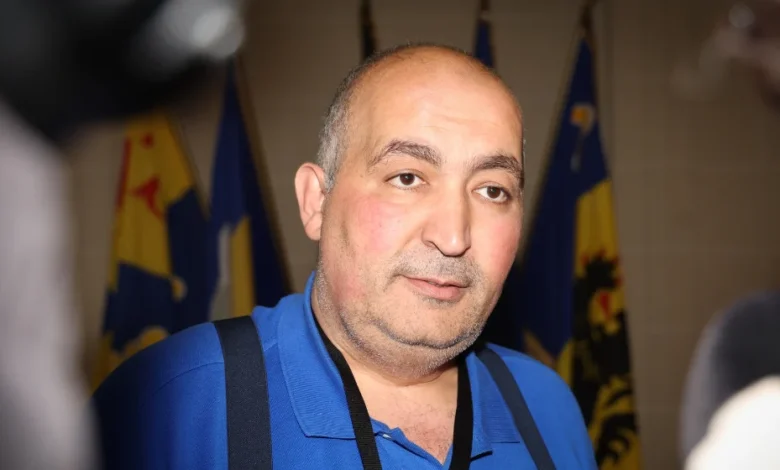
The ongoing strike by Brussels firefighters has prompted an urgent call from the Team Fouad Ahidar (TFA) for an immediate convocation of the Brussels Parliament’s Interior Commission, even during the parliamentary recess. The party issued a stark warning, stating, "Brussels is in danger. The Government must act immediately." This plea underscores the severity of the situation at the SIAMU (Brussels Fire Brigade and Emergency Medical Services) and the perceived inadequacy of the current governmental response.
Escalating Strike Disrupts Essential Services
The industrial action, initiated by a common front of trade unions, entered its second day on Wednesday, with an increased mobilization compared to the previous day, according to the CGSP union. The union also indicated that firefighters scheduled for the coming days intend to extend the protest, signaling a potentially prolonged disruption of critical emergency services across the capital.
Information circulating regarding the conflict reveals a critical reduction in operational capacity. Sources indicate that only three fire engines are currently available to cover the entire Brussels-Periphery region. On Wednesday, approximately 30% of the normally scheduled operational resources were reportedly unavailable, a significant deficit that raises serious concerns about the ability to respond to emergencies effectively.
Roots of the Firefighter Grievances
The strike commenced on Tuesday following a joint call from the trade unions. The core of the firefighters’ dissatisfaction lies in several key areas: a reported decrease in on-duty staffing levels and the availability of certain emergency vehicles, personnel transfers conducted without consultation, perceived detrimental measures impacting purchasing power, and criticism of current management and evaluation methodologies. Furthermore, the unions express a profound disappointment with the regional authorities and SIAMU management, citing a lack of substantive response to their demands.
"Risks Do Not Take a Holiday"
The TFA’s statement highlighted a particularly disturbing aspect of the ongoing strike: the requisitioning of striking firefighters to ensure essential services. "While Brussels faces this crisis, men and women are requisitioned to ensure emergency services while they are exercising their right to strike. This is not a way to manage an essential public service. It is a symptom of a system that has reached its limits," the party’s press release declared. This practice, the TFA argues, undermines the fundamental right to strike and points to systemic failures.
The Team Fouad Ahidar also voiced strong regret over the Brussels government’s apparent lack of foresight in anticipating potential risks, especially during the peak summer season. "The risks of fires, serious accidents, and emergency interventions do not take a holiday. The people of Brussels deserve an emergency service capable of responding immediately to every call," the TFA emphasized.
According to the TFA, the SIAMU has been suffering for too long from "the price of a lack of anticipation, chronic underfunding, and the absence of courageous political decisions." The party warned that while it is currently the firefighters sounding the alarm, "tomorrow, it will be the citizens who could suffer the consequences."
Demands for Immediate Action and Long-Term Solutions
In response to the escalating crisis, the Team Fouad Ahidar is pressing for several immediate and long-term actions:
- Immediate Convocation of the Interior Commission: The party insists on an urgent meeting of the Brussels Parliament’s Interior Commission to address the situation.
- Full Transparency on Operational Resources: They demand complete clarity on the actual resources available to ensure emergency services.
- Emergency Measures for Public Safety: The TFA calls for immediate measures to guarantee the safety and security of the population.
- Sustainable Refinancing of SIAMU: A commitment to long-term and adequate financial support for the SIAMU is a key demand.
- Ambitious Recruitment Plan: The party advocates for a robust recruitment strategy to prevent similar crises from recurring in the future.
Background and Broader Context
The current strike action is not an isolated incident but rather a culmination of long-standing issues within the SIAMU. The service, responsible for fire suppression, rescue operations, and emergency medical response across the Brussels-Capital Region, has been grappling with budgetary constraints and staffing shortages for years. These challenges are often exacerbated during periods of high demand, such as the summer months, when the risk of wildfires and other emergencies increases.
The trade unions have consistently voiced concerns about the sustainability of the current operational model. They argue that a reduction in personnel and resources, coupled with an aging fleet of vehicles and equipment, compromises the effectiveness and safety of both firefighters and the public they serve. The demand for improved working conditions and better pay is also a significant factor, reflecting the challenging and often dangerous nature of the firefighters’ work.
Timeline of Events (Inferred)
- Pre-Strike Period: Years of reported underfunding, staffing challenges, and union grievances regarding management practices and operational resources at SIAMU.
- Recent Negotiations: Unsuccessful attempts by trade unions to reach an agreement with regional authorities and SIAMU management on key demands.
- Tuesday: The common front of trade unions initiates a strike at SIAMU.
- Wednesday: The strike continues, with increased participation. Operational capacity is significantly reduced, with only three fire engines reportedly available for the entire region. Team Fouad Ahidar issues a statement calling for an emergency parliamentary commission.
- Current Day: The strike persists. TFA reiterates its demands and intensifies its call for governmental action.
Supporting Data and Statistics
While precise, real-time data on the impact of the strike is often difficult to obtain due to the nature of emergency services, the information provided by the union and reported by media outlets paints a concerning picture. The reported availability of only three fire engines for the entire Brussels-Periphery region is a critical metric. To provide context, the Brussels-Capital Region covers an area of approximately 162.4 square kilometers and is home to over 1.2 million inhabitants. A typical urban fire department would have a significantly larger fleet of specialized vehicles to ensure adequate coverage and rapid response times across such a densely populated and diverse area. The figure of "approximately 30% of normally planned operational resources" further underscores the substantial reduction in the service’s capacity.
Reactions from Related Parties (Inferred)
While direct quotes from all relevant parties may not be available in the initial report, the actions and statements of the involved entities can be inferred:
- Trade Unions (CGSP): The unions are clearly united and committed to continuing the strike until their demands are met. Their ongoing communication regarding mobilization and operational status indicates a strategic approach to the industrial action. They are likely to view the TFA’s call for a parliamentary commission as a positive step, but will remain focused on achieving tangible concessions from the government.
- Brussels Government: The government’s silence on the requisitioning of striking workers and its alleged lack of response to union demands suggest a potential impasse or a deliberative approach that is not meeting the urgency felt by the TFA and the unions. They are likely facing pressure from multiple sides: the unions demanding action, political parties like the TFA calling for emergency measures, and the public concerned about their safety.
- SIAMU Management: The management is likely caught between the operational demands of the service and the directives from the regional government, as well as the pressures from the striking workforce. Their role in facilitating communication and finding resolutions is crucial, but appears to be failing at present.
- Public: Residents of Brussels are undoubtedly experiencing anxiety and concern regarding the reduced emergency response capabilities. They are direct stakeholders in this crisis, and their safety is paramount.
Broader Implications and Analysis
The ongoing strike at SIAMU has significant implications beyond immediate emergency response capabilities.
- Public Safety Risk: The most immediate and severe implication is the heightened risk to public safety. A reduced capacity to respond to fires, accidents, and medical emergencies means longer response times, potentially leading to increased property damage, injuries, and fatalities. The TFA’s warning that citizens could suffer the consequences if the situation is not addressed is a stark reminder of this reality.
- Economic Impact: While not explicitly detailed, a prolonged disruption of essential services can have indirect economic consequences. Businesses may face increased risks, and public confidence in the city’s infrastructure could be eroded.
- Political Ramifications: The crisis presents a significant political challenge for the Brussels government. The TFA’s strong stance and call for an emergency commission highlight potential political vulnerabilities and could lead to increased scrutiny of the government’s management of public services. The issue of underfunding and lack of proactive planning could become a major point of contention in future political debates.
- Precedent for Public Services: The situation at SIAMU could serve as a cautionary tale for other essential public services across Belgium. It underscores the need for adequate funding, proper staffing, and consistent dialogue between management, workers, and government bodies to prevent such critical breakdowns. The reliance on requisitioning striking workers, while a legal tool, is often seen as a last resort and can create further antagonism, potentially exacerbating the underlying issues rather than resolving them.
The Team Fouad Ahidar’s demand for an emergency parliamentary commission, transparency, and concrete solutions reflects a growing impatience with the status quo. The coming days will be critical in determining whether the Brussels government can navigate this crisis effectively and restore confidence in the vital services provided by the SIAMU. The long-term health of public safety in the capital hinges on addressing the chronic issues of underfunding and strategic planning that have led to this critical juncture.