The Evolution of Domestic Automation How Intelligent Robotics are Redefining Modern Interior Design and Household Maintenance

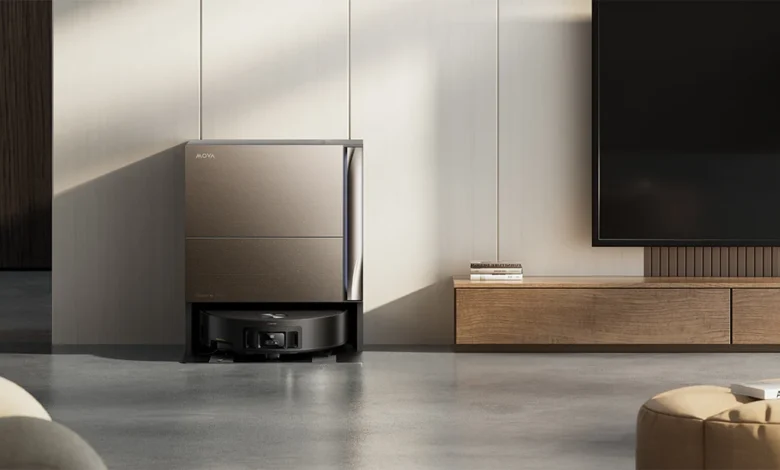
The landscape of the modern home is undergoing a quiet but profound transformation as high-end autonomous appliances transition from hidden utility rooms to prominent positions within the living space. Traditionally, the aesthetic of a well-curated interior was defined by minimalist furniture and designer lighting, with cleaning tools relegated to closets and basements. However, a new generation of smart devices, led by innovations such as the MOVA V70 Ultra Complete and the Window Cleaner N1, is challenging this paradigm. These devices are no longer merely functional tools; they are being embraced as integral components of a sophisticated household ecosystem, earning their visibility through a combination of advanced engineering and sleek, unobtrusive design.
The Shift Toward Automated Domesticity
The rise of the robot vacuum cleaner marks a significant departure from the early days of domestic robotics. When the first iterations of these devices entered the market over two decades ago, they were often viewed as novelties—limited by poor navigation, weak suction, and the constant need for human intervention. Today, the skepticism that once surrounded automated cleaning has largely dissipated. Even the most discerning homeowners, who maintain rigorous standards for cleanliness and interior presentation, are increasingly integrating these systems into their daily routines.
The primary driver of this shift is the realization that modern technology has finally surpassed the "compromise" phase. Current high-end models do not just supplement manual cleaning; they often exceed the consistency and reach of human-operated vacuums. As urban living spaces become more complex and time becomes an increasingly scarce luxury, the value proposition of a device that manages the "base level" of home maintenance has become undeniable.
Technical Deep Dive: The MOVA V70 Ultra Complete
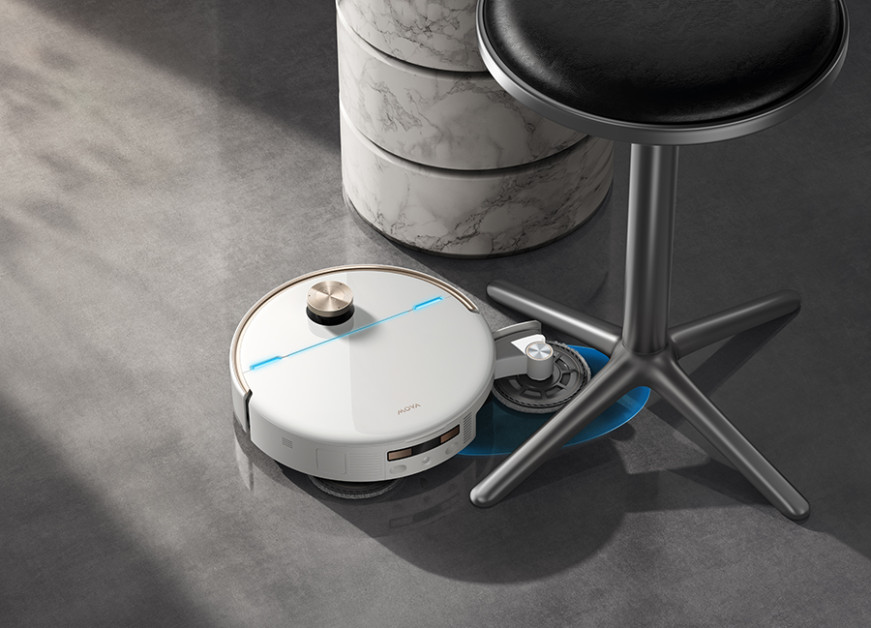
The MOVA V70 Ultra Complete serves as a primary example of how far the industry has progressed. This system is designed to handle the entire spectrum of floor care, moving beyond simple dust extraction to include advanced mopping and self-maintenance. One of the most significant technical hurdles for early robots was the "edge problem"—the inability to clean effectively along baseboards and in corners. The V70 addresses this through specialized navigation and mechanical extensions that allow the device to operate closer to walls and furniture legs than previous generations.
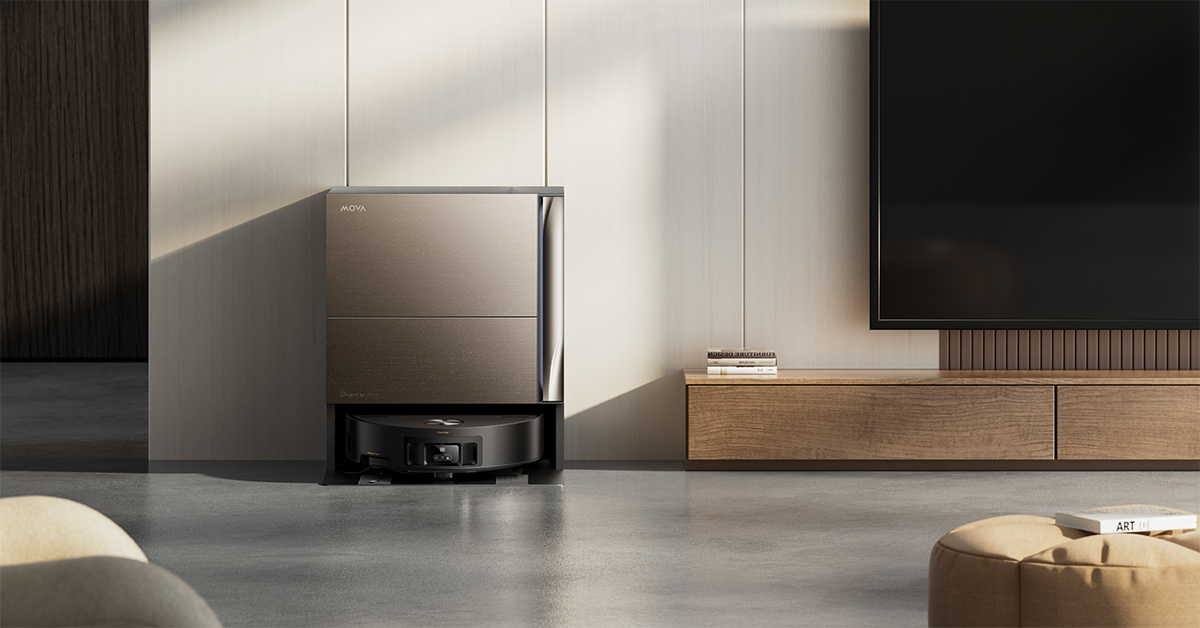
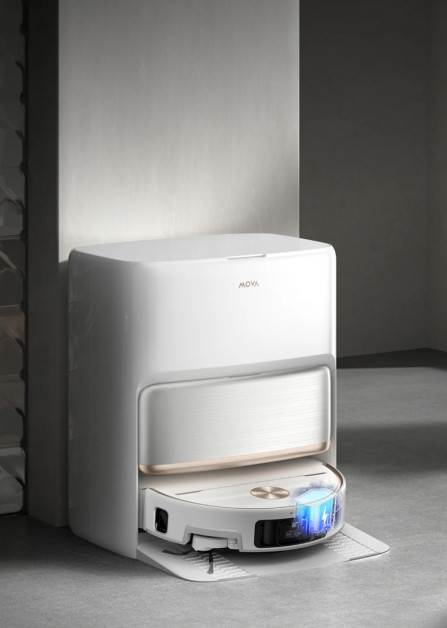
Furthermore, the integration of carpet recognition sensors allows the device to transition seamlessly between hard floors and textiles, adjusting suction power and lifting mop pads to prevent cross-contamination. However, the most notable advancement lies in the base station. Modern luxury in the robotics sector is defined by the reduction of "secondary chores." The V70’s station automates the emptying of the dustbin, the washing of the mop pads, and the subsequent drying of those pads to prevent bacterial growth and odors.
A critical environmental and economic feature of this model is the EcoCyclone dustbin. Unlike many competitors that rely on proprietary disposable dust bags—creating a recurring cost and environmental waste—this system operates on a bagless principle. This reflects a broader industry trend toward sustainability, where long-term durability and waste reduction are becoming key selling points for premium consumers.
Expanding the Horizon: The Challenge of Glass Maintenance
While floor care has been the primary focus of domestic robotics for years, glass surfaces have remained a "final frontier" for automation. Large windows, floor-to-ceiling mirrors, and glass shower enclosures are hallmarks of modern architecture, designed to maximize natural light and create a sense of space. Yet, these surfaces are notoriously difficult to maintain, prone to fingerprints, water spots, and environmental grime.
The introduction of the MOVA Window Cleaner N1 signals a move toward total home automation. Cleaning vertical or overhead glass surfaces presents unique engineering challenges, primarily regarding safety and consistent pressure. The N1 utilizes a high-powered suction system to adhere to the glass, coupled with a suite of sensors that detect the edges of the pane, preventing the device from losing its grip or becoming stuck.
The device employs a specialized misting system to distribute cleaning solution evenly, followed by a structured path-finding algorithm that ensures every square inch of the surface is polished. By automating a task that is often physically demanding or even dangerous—especially in the case of high-reaching exterior windows—the technology shifts the focus from the labor of cleaning to the enjoyment of the architectural features of the home.
Chronology of the Domestic Robot Market
To understand the current state of the market, one must look at the timeline of innovation that led to the present day:
- The Early 2000s: Introduction of basic "bump-and-turn" robots. These devices lacked mapping capabilities and were largely ineffective on thick carpets or in complex layouts.
- The Mid-2010s: The integration of LiDAR (Light Detection and Ranging) and vSLAM (Visual Simultaneous Localization and Mapping). This allowed robots to "see" their environment and plan efficient cleaning paths rather than moving at random.
- 2018–2021: The rise of the "Auto-Empty Station." This period saw the industry move from simple charging docks to large stations that could hold weeks of debris, significantly reducing the frequency of human interaction.
- 2022–Present: The "All-in-One" Era. Devices like the V70 Ultra Complete now combine vacuuming, mopping, hot-water mop washing, and air-drying. This era is also characterized by "Aesthetic Integration," where the industrial design of the units is intended to complement high-end home decor.
Economic and Market Implications
The economic context of these devices is equally revealing. The premium segment of the robot vacuum market has shown remarkable resilience despite global economic fluctuations. In the Benelux region, the MOVA V70 Ultra Complete is currently positioned as a high-tier investment, with a standard retail price of €1,399. Promotional windows, such as the July sales event where the price is reduced to €1,099, are strategic moves to capture a broader segment of the "aspirational" market—consumers who value high-end tech but are sensitive to price-to-performance ratios.
Market analysts suggest that the domestic robotics sector will continue to grow at a Compound Annual Growth Rate (CAGR) of over 15% through 2030. This growth is driven by three factors: the aging population in developed nations (who benefit from labor-saving devices), the increase in dual-income households with limited free time, and the rapid improvement in Artificial Intelligence, which makes these devices increasingly "set-and-forget."
Statements and Industry Reactions
While official corporate statements often focus on technical specifications, interior designers and smart-home integrators offer a different perspective. "We are seeing a shift where clients no longer ask us to hide the robot vacuum under a cabinet," says one Brussels-based interior architect. "They want the station to be accessible and visible because the design of the base stations has become so sculptural and clean. It’s seen as a sign of a technologically forward home."
From a technical standpoint, software developers in the field emphasize that the "intelligence" of the robot is now as important as the motor. The ability of a device to distinguish between a stray sock and a permanent piece of furniture, or to adjust its cleaning intensity based on the level of dirt detected, is what separates premium models from entry-level alternatives.
The Broader Impact: Redefining Luxury
The integration of these devices into the home is ultimately a statement about the modern definition of luxury. In previous generations, luxury was often associated with the presence of domestic staff or the possession of ornate, high-maintenance objects. In the contemporary context, luxury is increasingly defined as "control without effort."
It is the luxury of returning to a home where the floors are pristine and the windows are clear, without having spent a weekend morning performing the labor yourself. It allows the inhabitants to redirect their most valuable resource—time—toward professional pursuits, family, or leisure. By maintaining the "baseline" of a clean environment, these robots ensure that the home remains a place of rejuvenation rather than a source of secondary work.
As AI continues to advance, the next step in this evolution will likely involve even deeper integration with smart home ecosystems, where robots communicate with security cameras to identify high-traffic areas or sync with weather forecasts to determine the best time to clean windows. For now, the presence of these sleek, silent machines in the corners of our hallways and kitchens is a clear indicator that the future of domestic life is not just smart—it is autonomous.