Zendaya’s Odyssey Press Tour Sparks Global Resurgence of Hellenistic Fashion and Method Dressing

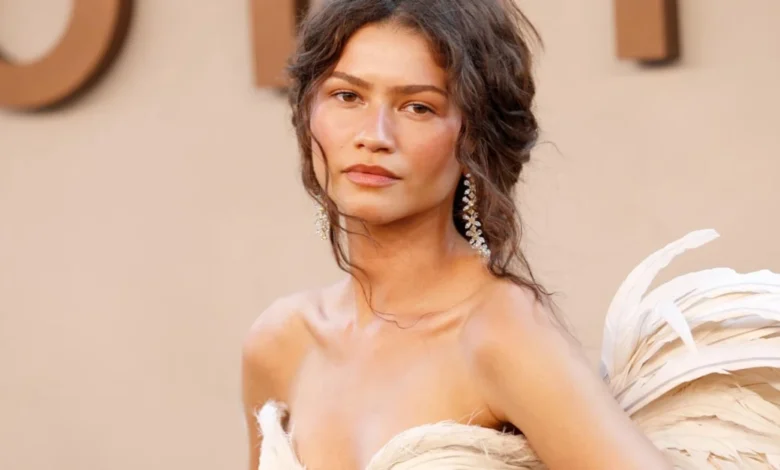
The international film community and the global fashion industry have converged this month as Christopher Nolan’s highly anticipated cinematic interpretation of Homer’s The Odyssey made its world premiere. While the film’s narrative scope and its director’s reputation for technical mastery have drawn significant critical acclaim, it is the promotional tour’s aesthetic impact that has dominated cultural discourse. Leading this charge is the film’s star, Zendaya, whose portrayal of Athena—the Greek goddess of wisdom, handicraft, and warfare—has spilled over from the silver screen onto the red carpets of Paris, New York, and London. Through a series of meticulously curated ensembles, Zendaya and her long-time collaborator, image architect Law Roach, have successfully revitalized the "Greek Goddess" aesthetic, triggering a measurable shift in contemporary fashion trends and consumer behavior.
The phenomenon, often referred to as "method dressing," involves a performer adopting the sartorial language of their character during promotional appearances. While not a new concept, the execution by the Zendaya-Roach duo for The Odyssey has set a new benchmark for the industry. By blending historical Hellenistic references with avant-garde haute couture, the tour has transformed global city streets into modern-day Mount Olympus, making the ethereal and powerful silhouettes of ancient Greece accessible to a 21st-century audience.
The Cinematic Context: Nolan’s Mythological Vision
Christopher Nolan’s The Odyssey arrives as one of the most ambitious projects of the decade, featuring an ensemble cast that includes Matt Damon, Tom Holland, Elliot Page, Travis Scott, Lupita Nyong’o, Robert Pattinson, Anne Hathaway, and Charlize Theron. Casting Zendaya as Athena was a decision that Nolan reportedly made based on her ability to embody both fragility and formidable strength—qualities inherent to the marble-carved deities of antiquity.
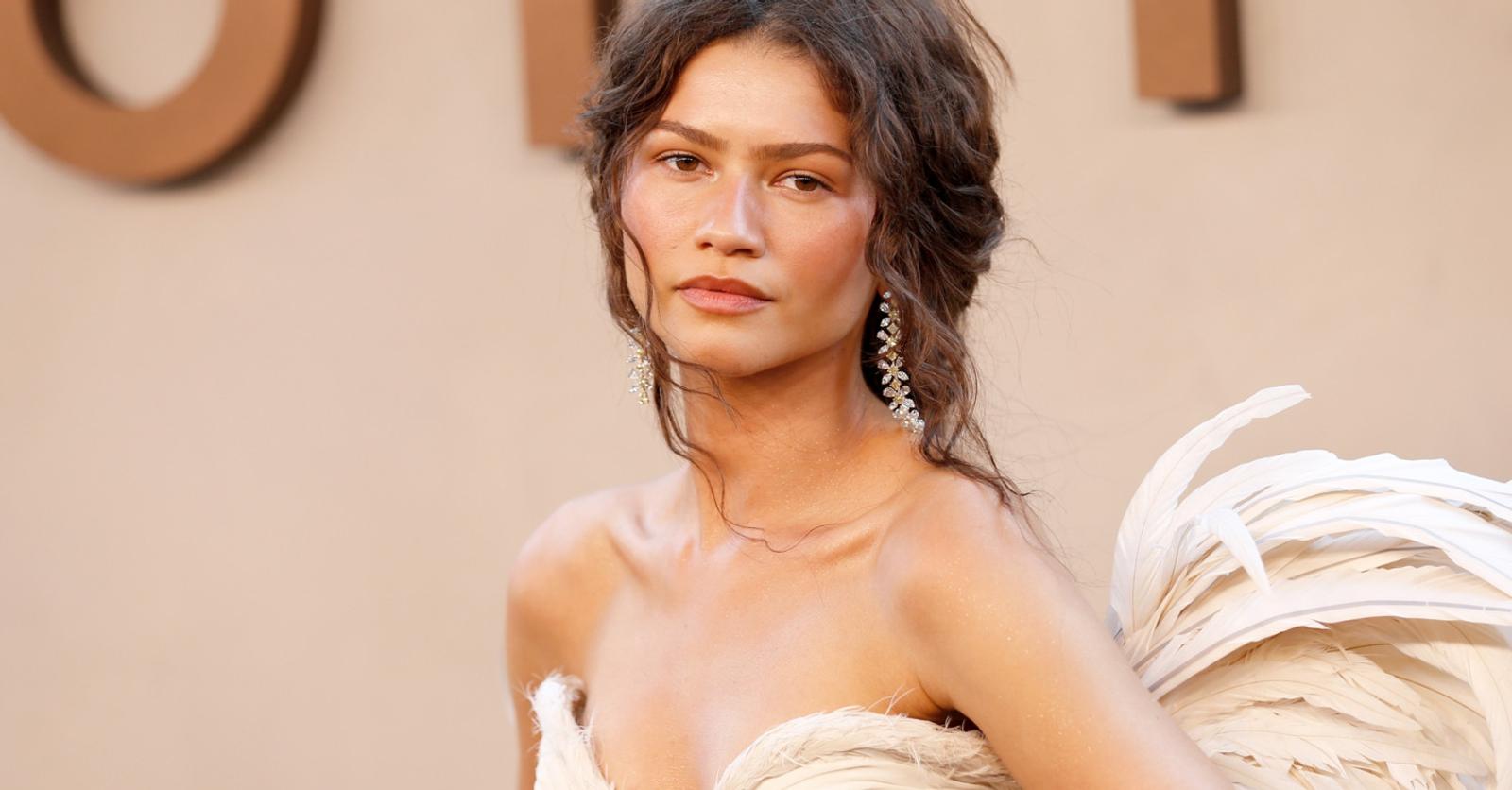
Athena, in Greek mythology, is a figure of strategic brilliance and poised power. To translate these traits into a modern promotional campaign, Law Roach moved beyond simple costume replication. Instead, he sought to capture the "spirit of the goddess," utilizing fluid drapery, architectural bodices, and symbolic accessories that evoke the Mediterranean landscape and the history of the Hellenistic period. This strategy has not only served the film’s marketing interests but has also reaffirmed Zendaya’s status as a primary driver of global fashion cycles.
A Chronology of the Odyssey Press Tour
The promotional circuit began in Paris, a city with deep historical ties to the neoclassical fashion movements of the late 18th and early 20th centuries. Here, Zendaya appeared in a custom lace creation by Louis Vuitton, featuring a daring waist-level cut-out and paired with an oversized, structured coat. This look bridged the gap between ancient tunics and modern structuralism. Later that evening, she paid homage to the late Alexander McQueen, wearing an archival piece from his legendary Spring 1997 collection for Givenchy. The choice of McQueen was significant; the designer was famously inspired by the intersection of mythology and nature, and the garment’s intricate construction mirrored the complexity of Homeric verse.
As the tour moved to New York, the aesthetic shifted toward a more literal interpretation of the goddess motif. Law Roach tapped into the archives of Alberta Ferretti, Matières Fécales, and Zuhair Murad to provide a diverse range of Hellenistic interpretations. One of the most discussed looks of the New York leg was a custom draped gown by Jacquemus, which included a matching headpiece, evoking the traditional veils of ancient priestesses. This was followed by a leather creation from Jean-Claude Jitrois and a minimalist, sculptural piece by Khaite, demonstrating that the "goddess" look could be translated into modern materials and urban settings.
The London premiere saw what critics described as the "pinnacle" of the tour’s method dressing. Zendaya appeared in a Schiaparelli couture piece featuring a sculpted bodice that directly referenced the Venus de Milo. The garment acted as a piece of wearable art, blurring the lines between a human body and a marble statue. To close the European leg, she wore a romantic Valentino ensemble featuring a top fashioned from gold-toned olive leaves—a direct nod to Athena’s sacred tree—and a crown of intricate braids that solidified her status as the modern embodiment of the deity.
Historical Evolution of the Greek Silhouette
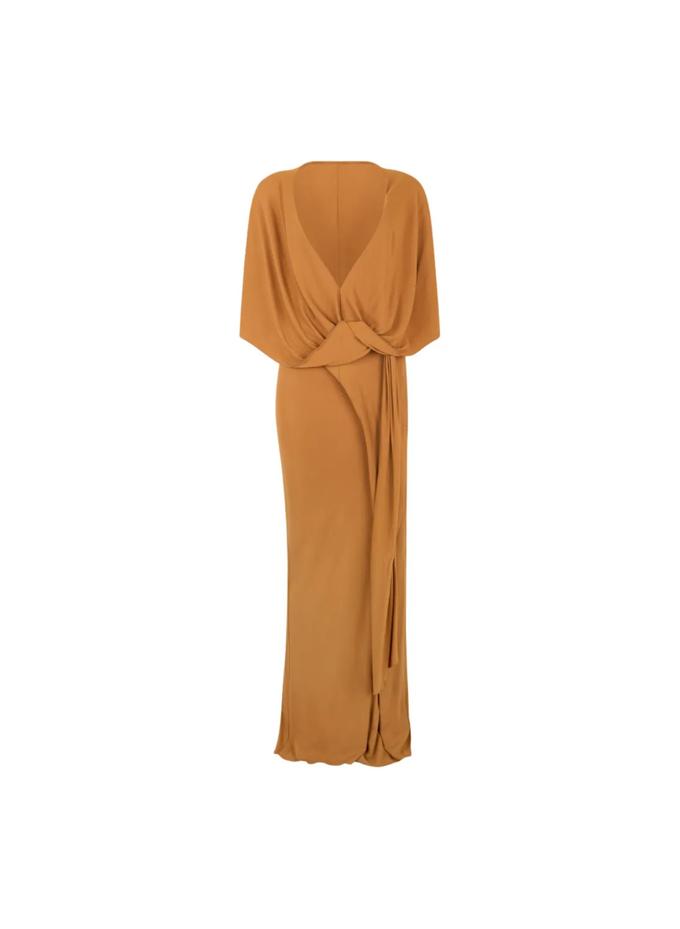
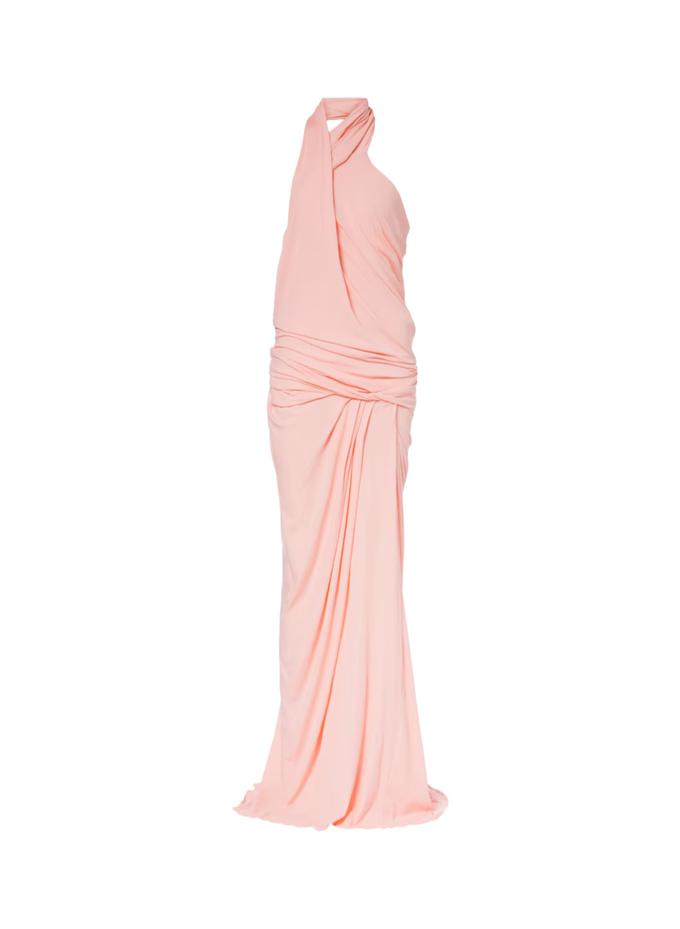
The current resurgence of the Greek goddess aesthetic is the latest chapter in a long history of fashion’s obsession with the Classical Antiquity. The original Greek garments, such as the chiton, peplos, and himation, were fundamentally simple: large rectangular pieces of linen or wool draped around the body and secured with fibulae (brooches) or belts. This lack of rigid tailoring allowed the fabric to move in harmony with the wearer, creating a silhouette that was both fluid and functional.
In the early 20th century, designers like Paul Poiret and Madeleine Vionnet looked to these ancient forms to liberate women from the restrictive corsetry of the Victorian and Edwardian eras. Vionnet, in particular, perfected the "bias cut," a technique that allowed fabric to skim the body’s natural curves, much like the wet-drapery style seen in Greek sculptures like the Winged Victory of Samothrace. Later, Madame Grès became world-renowned for her "pleated" silk jersey dresses, which required hundreds of hours of hand-folding to mimic the vertical lines of Doric columns.
The late 20th century saw Gianni Versace adopt the Medusa head as the logo for his fashion house, cementing the link between Italian luxury and Greek mythology. In the early 2000s, houses like Dior, Valentino, and Givenchy frequently returned to gladiator-inspired footwear and draped silk chiffons. Zendaya’s current tour is a culmination of these historical threads, proving that the Hellenistic silhouette is not merely a trend but a recurring foundational element of Western fashion.
Market Impact and Consumer Data
The "Zendaya Effect" has had an immediate and measurable impact on the retail sector. According to preliminary market data from global fashion search engines, searches for "draped maxi dresses" have increased by 45% since the start of the Odyssey press tour. Additionally, interest in "gladiator sandals" and "gold leaf jewelry" has seen a spike of 30% and 22%, respectively, compared to the same period last year.
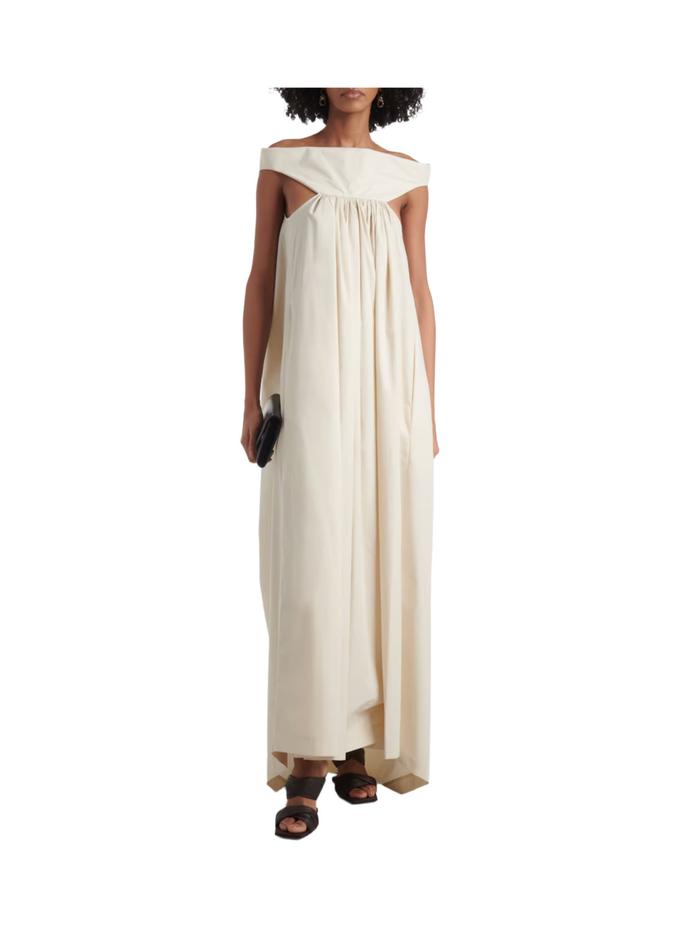
High-end retailers and fast-fashion brands alike are pivoting to meet this demand. Brands such as Rick Owens, Lanvin, and Issey Miyake, who have long experimented with drapery and pleating, are seeing renewed interest in their current collections. The influence is also visible in the luxury resale market, where archival pieces from Alberta Ferretti and Madame Grès are seeing increased valuations.
Industry analysts suggest that the appeal of the Greek goddess aesthetic lies in its versatility and inclusivity. Unlike structured tailoring, which often demands a specific body type, the draped silhouette adapts to the wearer. In a post-pandemic fashion landscape that prioritizes both comfort and high-impact visual storytelling, the fluidity of the Hellenistic style offers a perfect compromise.
Technical Analysis: The Art of the Draping
The garments featured on the tour highlight the technical difficulty of achieving "effortless" drapery. The Schiaparelli bodice, for instance, required advanced 3D-modeling and traditional metal-working techniques to create a shell that looked like carved stone but moved with the actress’s breath. Similarly, the Valentino olive-leaf top involved intricate laser-cutting and hand-painting to achieve a realistic yet ethereal texture.
Law Roach’s use of "sculpted bodices" serves as a strategic counterpoint to the fluid fabrics. By pairing a rigid, statue-like torso with a flowing skirt, the styling emphasizes the dual nature of Athena: the warrior (the armor/bodice) and the wise woman (the flowing robes). This contrast has been praised by fashion critics for its depth, moving beyond superficial beauty to tell a story of female agency and power.
Broader Implications for the Fashion Industry
The success of the Odyssey tour suggests a shift in how films are marketed in the age of social media. The red carpet is no longer just a place for stars to look "pretty"; it is a platform for narrative extension. When Zendaya wears a vining olive leaf crown, she is reinforcing the film’s themes and her character’s identity to millions of followers who may not have even seen the trailer yet.
Furthermore, the return to Classical influences reflects a broader cultural desire for "timelessness" in an era of fleeting digital trends. The Greek goddess aesthetic, with its roots in 2,500-year-old history, offers a sense of permanence and dignity. As consumers become more conscious of sustainability and the "fast fashion" cycle, the appeal of a silhouette that has remained relevant for millennia is significant.
Future Outlook
As The Odyssey continues its global theatrical run, the fashion industry is already preparing for the "Hellenistic Summer" of the coming year. Designers at recent fashion weeks in Milan and Paris have already begun incorporating more Grecian elements into their Spring/Summer 2025 collections. We can expect to see an influx of one-shoulder necklines, braided leather details, and a palette of marble whites, olive greens, and metallic golds in retail stores globally.
Zendaya’s collaboration with Law Roach has once again proven that she is more than an actress; she is a cultural catalyst. By looking back to the origins of Western civilization, she has managed to create a vision of the future that is powerful, inclusive, and undeniably elegant. The "inner goddess" trend is not just about clothing; it is about a reclamation of poise and strength in a modern world, channeled through the enduring legacy of the ancient Greeks.