The Rise of the Hybrid Workspace: Navigating Antwerp’s Premier Laptop-Friendly Coffee Bars and Coworking Hubs

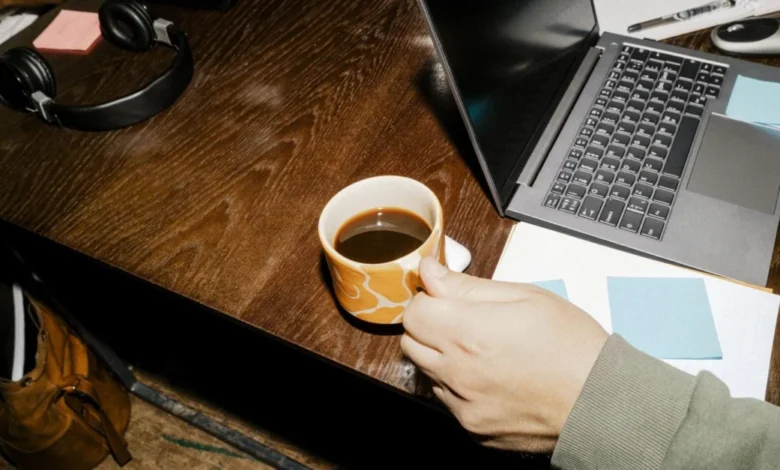
The landscape of professional life in Antwerp has undergone a fundamental transformation over the last decade, transitioning from traditional office-bound routines to a dynamic, decentralized model. For freelancers, creative professionals, and hybrid employees, the home office—once viewed as the ultimate luxury—has increasingly revealed its limitations. Issues such as domestic distractions, the psychological weight of isolation, and the blurring of boundaries between personal and professional life have driven a surge in the "third place" phenomenon. This societal shift has positioned coffee bars not merely as purveyors of caffeine, but as essential infrastructure for the modern economy.
However, the integration of technology into social spaces has not been without friction. As "laptop culture" grew, many establishment owners faced a dilemma: how to accommodate productive workers without sacrificing the vibrant, social atmosphere that defines a café. In response, a sophisticated compromise has emerged in Antwerp’s hospitality sector. By implementing designated "coworking tables," businesses have successfully balanced the needs of the digital nomad with those of the casual patron. This strategic spatial management ensures that laptop users are welcomed into a communal flow while keeping smaller tables available for social interaction.
The Evolution of the "Third Place" in Antwerp’s Urban Economy
The concept of the "third place," a term coined by sociologist Ray Oldenburg, refers to social surroundings separate from the two usual social environments of home and the workplace. In Antwerp, this concept has been bolstered by a robust digital infrastructure and a culture that prizes high-quality, artisanal products. According to recent labor statistics in Flanders, nearly 30% of the workforce engages in some form of remote work, one of the highest rates in the European Union. This demographic shift has created a lucrative niche for hospitality entrepreneurs who can provide reliable Wi-Fi, accessible power outlets, and an environment conducive to deep focus.
Strategic Hubs for the Modern Professional
To understand the current state of the hybrid workspace in Antwerp, one must look at the specific establishments that have pioneered the "shared table" model. These venues represent a cross-section of the city’s diverse neighborhoods, from the historic center to the revitalized industrial zones.
1. Caffènation Blue: The Roastery as a Productivity Engine
Caffènation has long been a cornerstone of Antwerp’s specialty coffee scene. While their original locations established the brand’s reputation for quality, the Caffènation Blue site on Mechelsesteenweg serves as a flagship for the hybrid work movement. By hosting an on-site bakery and a dedicated coworking table, the establishment provides a sensory environment that stimulates productivity.
The inclusion of an internal bakery is a strategic business move; it addresses the "middagdip" (afternoon slump) by offering high-quality sustenance, thereby increasing the average duration of a patron’s stay and their total spend. For the worker, the presence of other professionals at a shared table creates a "body doubling" effect—a psychological phenomenon where the presence of others engaged in similar tasks enhances individual focus.
2. VIA Antwerp: The Hotelification of the Workspace
Located in the Zurenborg district, VIA Antwerp exemplifies a growing global trend: the transformation of hotel lobbies into public coworking hubs. The hotel’s restaurant, Mea, offers a spacious, modern environment that mirrors the international standard of high-end transit hubs.
From an economic perspective, VIA Antwerp’s strategy of offering discounted warm drinks during early morning hours (8:00 AM to 11:00 AM) serves as a powerful incentive for early-bird workers. This pricing model maximizes utility during typically slower morning hours for the restaurant while providing a cost-effective base for freelancers. Its proximity to the Antwerpen-Berchem railway station further integrates it into the regional transport network, making it a vital node for commuters.
3. Plantbar Jacqueline: Sustainability and the Creative Class
In Borgerhout, Plantbar Jacqueline represents the intersection of environmental consciousness and the modern workspace. Operated by three sisters, the venue combines a plant-filled aesthetic with a strictly plant-based menu. This alignment with "green" values often resonates with the creative class—graphic designers, writers, and consultants—who frequent the area.
The "green jungle" atmosphere is more than an aesthetic choice; studies in environmental psychology suggest that the presence of indoor plants can reduce stress and increase productivity by up to 15%. By providing a large communal table within this biophilic setting, Jacqueline offers a unique psychological respite from the sterile environment of a traditional home office.
4. Barchel Zuid: Urban Revitalization and Professionalism
The Nieuw-Zuid district is one of Antwerp’s most significant urban development projects, characterized by modern architecture and sustainable living. Barchel Zuid, following an extensive renovation, has positioned itself as the neighborhood’s premier professional hub.
Unlike more casual cafes, Barchel Zuid offers specific technical amenities, including three tables equipped with integrated power outlets and a separate meeting room for private consultations. This caters to a more "corporate" tier of the hybrid workforce—those who require a professional backdrop for client meetings or collaborative sessions. Its location near the Scheldepark provides an essential "blue space" for mental resets during the workday.
5. Cuperus Horsey: Heritage Meets Modern Utility
Cuperus is a name synonymous with Antwerp’s merchant history, with roots stretching back to 1823. However, their location on the Paardenmarkt is thoroughly modern in its approach to the "work-from-cafe" demographic. The large tables situated at the rear of the shop provide a sanctuary for those who prefer a moderate level of ambient noise—often referred to as "coffee shop white noise"—which has been shown to enhance abstract thinking.
Furthermore, Cuperus leverages its expertise by offering barista training on-site. This creates a multi-functional space where the boundary between consumer and professional often blurs, fostering a community of enthusiasts and experts.
6. Yust: The Community Integration Model
Yust in Berchem represents the most advanced iteration of the hybrid workspace, combining a hotel, long-term co-living apartments, and a dedicated coworking area. The lobby is designed specifically to facilitate a "young, creative vibe," prioritizing high-speed internet and ergonomic shared spaces.
The inclusion of a rooftop terrace serves as a significant draw for workers seeking a change of scenery without leaving the premises. This "vertical" workspace model allows for different modes of work throughout the day—from intense focus in the lobby to networking and relaxation on the roof.
7. Kolonel Coffee: Sunlight and Local Stability
In the Brederode district, Kolonel Coffee has established itself as a reliable anchor for the local community. The architectural focus on natural light through large windows is a critical feature for long-term laptop users, as it helps maintain circadian rhythms and reduces eye strain. The presence of a central table encourages a "quiet coworking" etiquette, where the shared goal of productivity creates a self-regulating, focused atmosphere.
Economic and Social Implications
The proliferation of these hybrid spaces carries significant implications for Antwerp’s urban planning and local economy. First, it supports the "15-minute city" concept, where residents can find all necessary services—including a professional workspace—within a short walk or cycle from their homes. This reduces the carbon footprint associated with long-distance commuting.
Second, these establishments act as incubators for networking. Unlike the isolated home office, the shared table at a place like Caffènation or Yust allows for "serendipitous encounters." It is not uncommon for freelancers to find collaborators or clients while sharing a carafe of coffee, effectively turning the coffee bar into a low-barrier business incubator.
Challenges and the Future of Work
Despite the success of the shared-table model, challenges remain. The "laptop ban" trend seen in cities like Paris and Amsterdam—where cafes restrict computer use to weekends or lunch hours—serves as a cautionary tale. To avoid this, Antwerp’s café owners are increasingly adopting clear communication regarding their "laptop policies."
Industry analysts suggest that the future of these spaces lies in "monetized coworking," where patrons might pay a small fee for guaranteed seating and high-speed fiber-optic internet, inclusive of coffee. However, for now, the hospitality-led model remains dominant in Antwerp.
Conclusion
The transition from traditional offices to hybrid coffee bars is more than a trend; it is a structural shift in how the modern workforce operates. By providing the physical and social infrastructure for this transition, Antwerp’s coffee bars have become indispensable to the city’s economic vitality. Whether it is the historic halls of Cuperus or the modern corridors of Yust, these establishments offer a blueprint for how urban spaces can adapt to the needs of the 21st-century professional. As the line between work and life continues to evolve, the shared table at the local coffee bar stands as a testament to the enduring human need for community, even in the digital age.