The Science and Hype Behind Green LED Light Therapy A New Frontier in Skincare

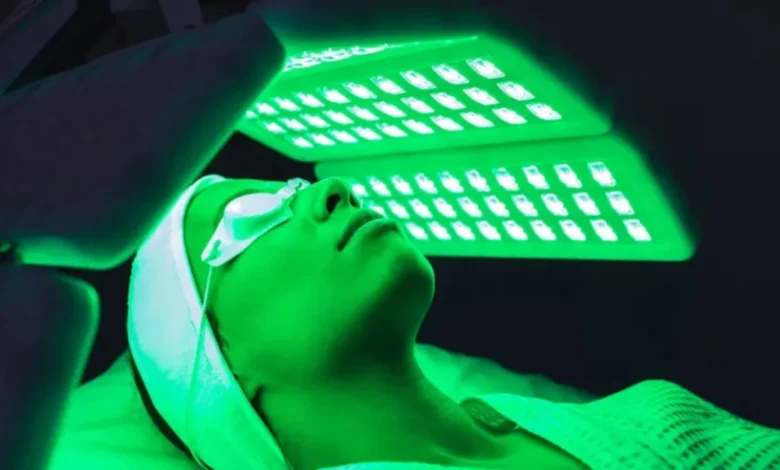
The evolution of dermatological technology has reached a pivotal juncture where clinical-grade treatments are no longer confined to the sterile environments of specialist offices but are instead becoming staples of the modern household. While light-emitting diode (LED) therapy has been a recognized modality in aesthetic medicine for decades, a specific shift in focus has recently emerged, placing green light therapy at the center of the skincare conversation. As consumers increasingly seek non-invasive, drug-free alternatives for complex skin concerns, the rise of green LED technology invites a rigorous examination of its physiological mechanisms, its clinical efficacy, and the broader market trends driving its popularity.
The Technological Shift from Clinical Suites to Consumer Bathrooms
For years, LED therapy was a high-end service offered exclusively by dermatologists and licensed estheticians. These professional units were large, expensive, and required specialized knowledge to operate. However, the last five years have seen a democratization of this technology. The global beauty device market, valued at approximately $14 billion in 2022, is projected to grow at a compound annual growth rate (CAGR) of nearly 12% through 2030. A significant portion of this growth is attributed to the "at-home" segment, specifically wearable LED masks and handheld wands.
This transition is fueled by a consumer base that values convenience and "clean beauty." LED therapy fits this profile perfectly: it is non-invasive, utilizes no chemicals, and typically results in zero downtime. The convenience of treating skin concerns while watching television or reading a book has transformed a medical procedure into a lifestyle habit. However, as the accessibility of these devices increases, so does the need for clarity regarding what each specific wavelength of light can—and cannot—achieve.
Understanding the Spectrum: How Wavelengths Interact with Human Tissue
The fundamental principle of LED therapy, scientifically known as photobiomodulation, lies in the relationship between light wavelengths and the depth of penetration into human tissue. Light is measured in nanometers (nm), and each color on the visible spectrum corresponds to a specific frequency and energy level.
The Established Standards: Red and Blue Light
To understand the emergence of green light, one must first look at its predecessors. Red light (typically 630–660 nm) is the most extensively researched wavelength in dermatology. It penetrates deep into the dermis, where it is absorbed by the mitochondria—the "powerhouses" of the cell. This absorption stimulates the production of adenosine triphosphate (ATP), which accelerates cellular repair and boosts collagen production. As noted by Dr. Thomas Maselis, a prominent Belgian dermatologist and president of Euromelanoma, red light is highly effective for muscle recovery and the regeneration of nerve tissue located beneath the skin surface.
Conversely, blue light (405–420 nm) operates on a much shorter wavelength, acting primarily on the surface of the skin. Its primary utility is antibacterial. By targeting Propionibacterium acnes, the bacteria responsible for acne breakouts, blue light helps reduce inflammation and prevent future blemishes without the drying effects associated with topical treatments like benzoyl peroxide.
The New Contender: Green Light
Green light sits in the middle of the visible spectrum, typically ranging from 520 to 550 nm. Because its wavelength is longer than blue but shorter than red, it targets the upper layers of the dermis and the basal layer of the epidermis. This is the region where melanocytes—the cells responsible for skin pigment—reside.
The theoretical appeal of green light is its ability to address hyperpigmentation, sunspots, and uneven skin tone. According to Dr. Maselis, the mechanism involves the modulation of tyrosine. "Green light is thought to slow the transformation of tyrosine, an essential element in skin cells, into eumelanin, which is the pigment that gives skin its color," Maselis explains. By interrupting this chemical pathway, the light may prevent the overproduction of melanin, leading to a more uniform complexion over time.
The Gap Between Theory and Clinical Evidence
Despite the biological plausibility of green light therapy, the medical community remains cautiously skeptical. While the effects of red and blue light are backed by hundreds of peer-reviewed clinical trials, the data for green light is comparatively sparse.
Dr. Maselis emphasizes that while the theory is sound, the "real-world" results are still being evaluated. "To date, we do not yet have robust scientific studies that definitively demonstrate this effect in a large-scale clinical setting," he notes. "For now, it remains largely a theoretical benefit, which is why you rarely see dermatologists using green light as a standalone primary treatment in a medical context."
This discrepancy highlights a common theme in the "med-spa" industry: marketing often outpaces clinical validation. While many manufacturers of home-use LED masks include a green light setting, the intensity (irradiance) of these consumer devices is often significantly lower than professional-grade equipment, further complicating the question of whether they can achieve the claimed pigment-reduction results.
Market Analysis: Why Green Light is Trending Now
The sudden surge in green LED popularity can be traced to several converging factors. First is the "Zoom Effect," a phenomenon noted by plastic surgeons and dermatologists following the COVID-19 pandemic. Increased time spent looking at oneself on high-definition cameras led to a heightened awareness of skin "imperfections," particularly dyschromia (discoloration) and redness.
Second is the saturation of the red and blue light markets. As consumers became accustomed to these two colors, brands sought "the next big thing" to drive hardware upgrades. Green light offered a compelling narrative: the "calming" color that targets "dark spots," a concern that affects nearly 80% of women over the age of 40.
Furthermore, the rise of "skin-fluencers" on platforms like TikTok and Instagram has played a crucial role. Visual demonstrations of color-changing masks provide high engagement, and the aesthetic appeal of a glowing green mask fits the "sci-fi beauty" trend currently dominating social media feeds.
Safety Protocols and Contraindications
While LED therapy is generally considered safe, it is not a "one size fits all" solution. The efficacy and safety of the treatment are influenced by several physiological and external factors.
The Role of Skin Pigmentation
A critical factor often overlooked in consumer marketing is the Fitzpatrick scale, which classifies skin types by their reaction to ultraviolet light. Dr. Maselis points out that skin with higher levels of melanin reacts differently to LED therapy. "Pigments absorb light very efficiently. This means that darker skin tones may heat up more quickly during treatment," he warns. If a device generates too much heat, it can paradoxically trigger post-inflammatory hyperpigmentation (PIH), the very condition many users are trying to treat.
Medical Contraindications
Experts advise that certain individuals should avoid LED therapy or consult a physician before use. These include:
- Photosensitivity: Individuals with conditions like lupus or those taking photosensitizing medications (such as certain antibiotics or Accutane) are at risk of adverse reactions.
- Epilepsy and Migraines: The bright, pulsing, or consistent light from LED masks can trigger seizures in photosensitive epileptics or induce severe migraines in susceptible individuals.
- Ocular Health: While many masks are designed to be eye-safe, the intense brightness can be damaging to those with existing retinal conditions. Proper eye protection is always recommended.
A Chronology of Light Therapy Development
The journey of LED therapy from a botanical experiment to a skincare powerhouse provides context for its current state:
- 1960s: NASA begins experimenting with LEDs to stimulate plant growth in space.
- 1990s: NASA researchers observe that astronauts’ skin wounds heal faster when exposed to certain LED wavelengths, leading to medical interest in human tissue repair.
- 2000s: The first professional LED panels (such as Omnilux) receive FDA clearance for treating periorbital wrinkles and acne.
- 2010s: Handheld devices enter the consumer market, though they are underpowered compared to today’s standards.
- 2020–Present: The "Mask Era" begins, with flexible silicone masks and multi-spectrum (Red/Blue/Green/Amber) devices becoming mainstream household items.
The Verdict: Patience and Consistency
For those considering integrating green LED therapy into their routine, experts stress that it is a "long game." Unlike a chemical peel or a laser treatment, which provides immediate and often dramatic results, photobiomodulation works at a cellular level over time.
"Results take time. You have to repeat the treatment very regularly," says Dr. Maselis. Most clinical protocols suggest 10 to 20 minutes of exposure three to five times a week. For pigmentation issues specifically, it may take eight to twelve weeks of consistent use before any visible change in skin tone is observed.
As the beauty industry continues to bridge the gap between professional dermatology and at-home care, green LED light stands as a symbol of the sector’s potential and its current limitations. While the promise of a painless, light-based solution for hyperpigmentation is alluring, consumers are encouraged to approach the trend with realistic expectations and a focus on long-term skin health rather than overnight miracles. In the rapidly shifting landscape of skincare technology, the green light is currently "flashing yellow"—proceed with caution, consistency, and a healthy dose of scientific skepticism.