The arrival of the summer sales season, traditionally known in several European markets as the "Solden," marks a critical juncture for the retail sector and a strategic opportunity for consumers to engage in conscious consumption. While the period is often associated with the rapid clearance of seasonal inventory, a growing segment of the market is utilizing these discounts to pivot away from fast-fashion cycles in favor of high-quality, durable investments. In the realm of luxury footwear, the current sales window provides a rare entry point for acquiring designer pieces that balance artisanal craftsmanship with timeless aesthetic appeal. By focusing on quality over quantity, shoppers are increasingly viewing the sales not as a moment for impulsive spending, but as a calculated effort to build a sustainable, long-term wardrobe.
The Economic Context of the Summer Sales
The summer sales season typically occurs during a transition period in the fashion calendar, as retailers prepare to move from Spring/Summer collections to Autumn/Winter arrivals. In countries like Belgium and France, these periods are often strictly regulated by law to ensure fair competition and transparency. For the consumer, this regulatory framework ensures that the "solden" represents genuine price reductions on existing stock rather than specially manufactured "outlet" goods.
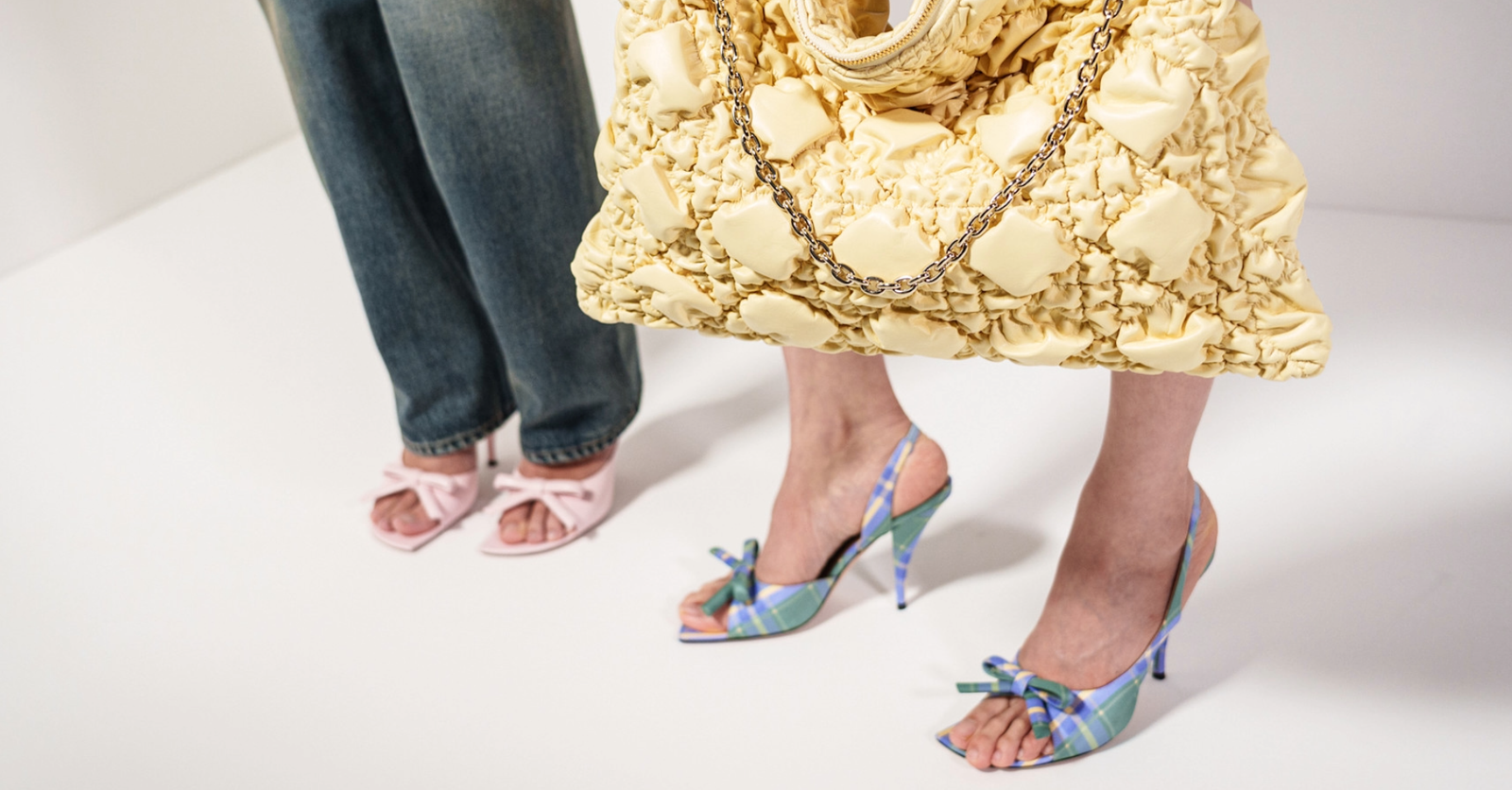
Economically, the luxury footwear market has seen significant fluctuations over the last three years. According to market data from Statista and Bain & Company, the global luxury footwear segment was valued at approximately $31 billion in 2023, with a projected compound annual growth rate (CAGR) of 5.8% through 2030. Despite inflationary pressures, demand for "investment pieces"—items that retain their value and utility over several seasons—remains robust. The current sales environment allows consumers to bridge the gap between their monthly financial planning and the higher price points associated with premium brands like Tory Burch, Isabel Marant, and JW Anderson.
The Shift Toward Sustainable Consumption
One of the primary drivers behind the renewed interest in designer sales is the shift toward sustainability. The fashion industry is responsible for approximately 8% to 10% of global carbon emissions. Fast fashion footwear, often constructed from synthetic materials and low-grade adhesives, contributes significantly to landfill waste due to its limited lifespan. In contrast, designer footwear typically utilizes superior materials such as high-grade calfskin, ethically sourced suede, and robust natural fibers like jute or cork.
The durability of these materials, combined with superior construction techniques—such as Goodyear welting or hand-stitched soles—ensures that the shoes can often be repaired rather than replaced. From a financial perspective, the "cost per wear" of a designer shoe purchased at a 40% or 50% discount frequently outperforms that of a cheaper alternative. A well-made leather mule or a classic slingback can remain in a rotation for five to ten years, whereas a mass-produced equivalent may lose its structural integrity within a single season.
Analyzing the 2024-2026 Trend Horizon
The current inventory appearing in sales racks provides a roadmap for the stylistic shifts expected through 2026. Industry analysts note a distinct movement away from the "maximalist" footwear of the early 2020s. The era of ultra-high platforms and chunky sneakers is gradually being supplanted by a return to "quiet luxury" and ergonomic design.
In the 2024 summer collections, several key silhouettes have emerged as dominant:
- The Elevated Flip-Flop: Transitioning from the beach to the city, high-end versions featuring leather straps and subtle wedge heels are becoming staples.
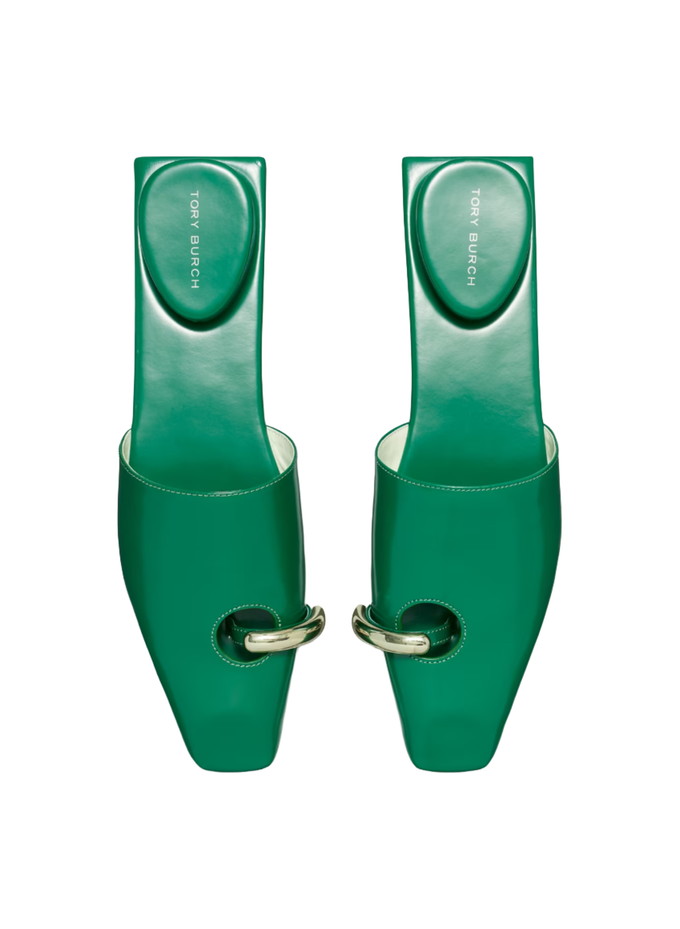
- The Refined Mule: Comfort-driven slides and mules, particularly those with architectural details or metallic hardware, remain a favorite for their versatility.
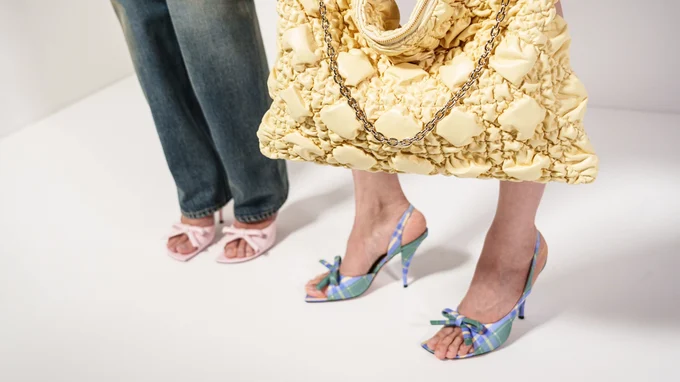
- The Kitten Heel and Slingback: These models offer a sophisticated alternative to high heels, providing height without compromising the wearer’s mobility.
Looking toward 2026, the trend forecast suggests a continued preference for "grounded" footwear. Flat sandals and shoes with subtle, functional heels are expected to dominate the market. Furthermore, there is a rising demand for "closed" summer shoes—models that provide the breathability of summer wear while offering more coverage, catering to professional environments and a desire for trans-seasonal utility.
Strategic Brand Highlights and Market Opportunities
The current sales landscape features significant price adjustments on iconic labels, providing a window into the pricing strategies of luxury houses.
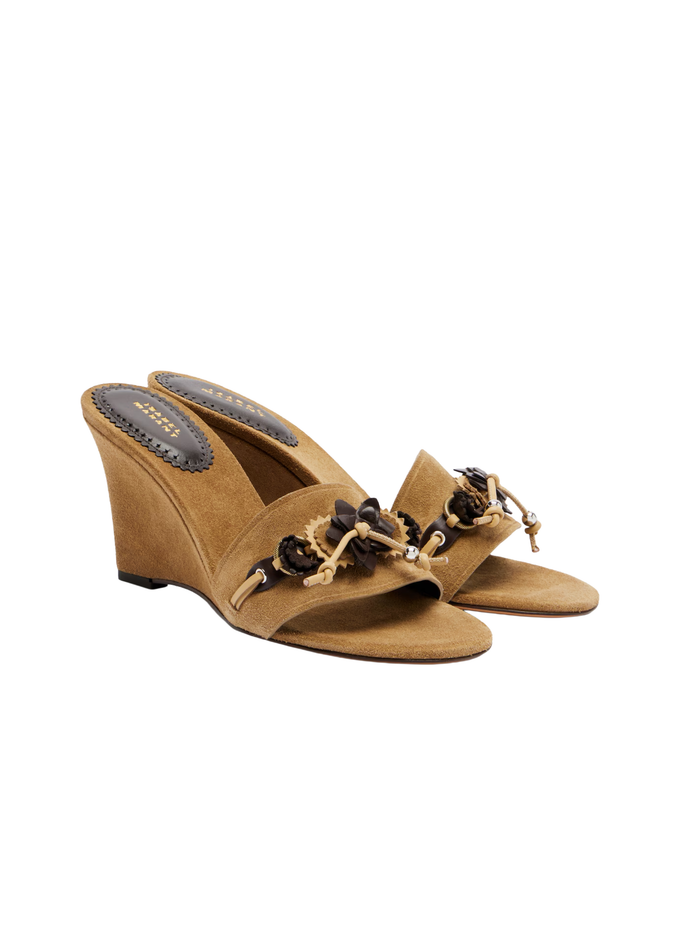
For instance, the Tory Burch Pierced Mule, originally priced at €495, has seen reductions to approximately €248 in several European markets. This 50% decrease reflects a broader trend where "entry-level" luxury items are priced to move quickly to make room for new creative directions. Similarly, Isabel Marant, a brand synonymous with Parisian bohemian chic, has seen its embellished suede wedge mules discounted from €890 to €623. These price points, while still premium, represent a significant reduction in the barrier to entry for high-end craftsmanship.
Other notable deals in the current cycle include:
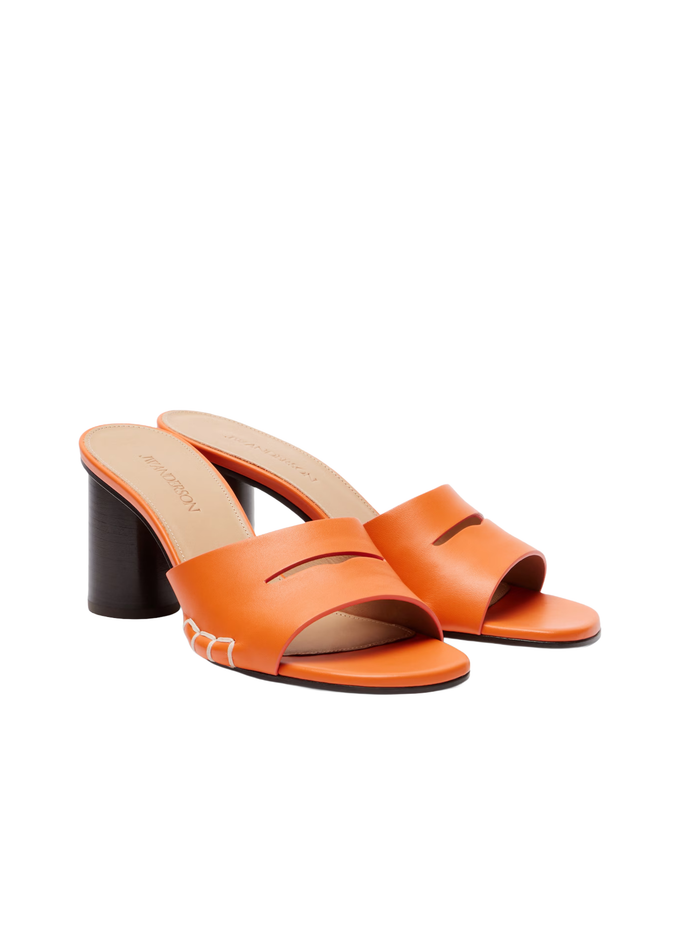
- JW Anderson: Known for avant-garde designs, the brand’s leather loafer mules have moved from €650 to €390.
- Ulla Johnson: The Ingrid leather-trimmed espadrilles, a quintessential summer staple, have seen a 30% reduction from €550 to €385.
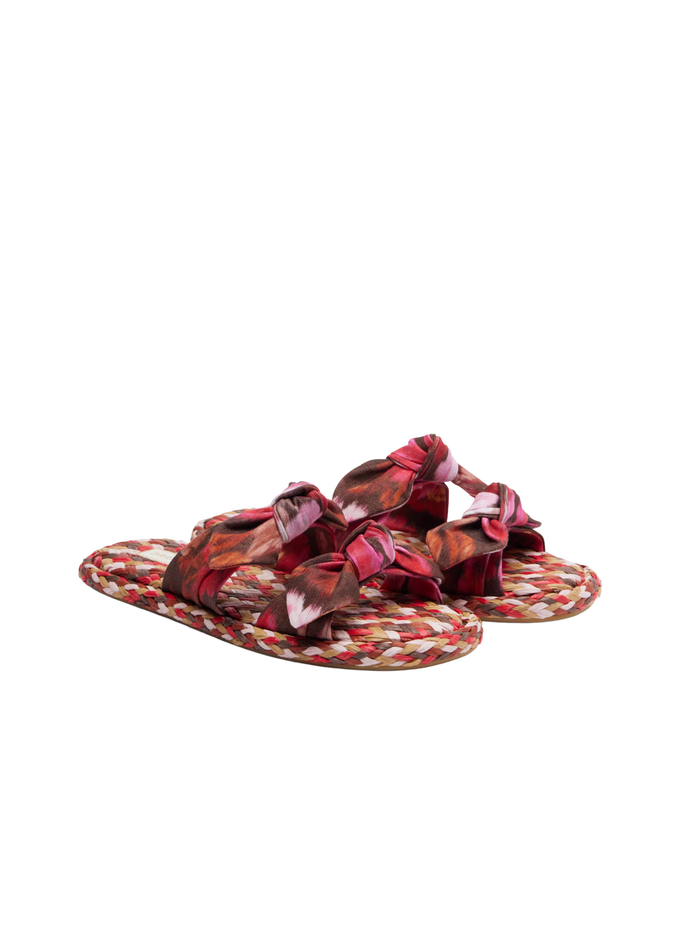
- Zimmermann: The Carousel printed espadrille slides have dropped from €375 to €262, showcasing the demand for high-end resort wear.
- Ralph Lauren: Classic leather sandals with O-ring details, originally €495, are now available for €347.
These adjustments are not merely random; they are part of a sophisticated inventory management system where brands balance brand equity with the need to clear warehouse space. For the consumer, these specific models represent "safe" investments—designs that are unlikely to look dated by the following summer.
The Psychology of Personal Style vs. Trend Following
Psychological studies on consumer behavior during sales suggest that "discount blindness" can lead to poor purchasing decisions. Experts recommend that shoppers maintain a focus on their unique personal style rather than being swayed by the magnitude of a discount. A 70% discount on a neon-colored, trend-heavy platform boot is only a "deal" if the item fits into the wearer’s existing wardrobe and lifestyle.
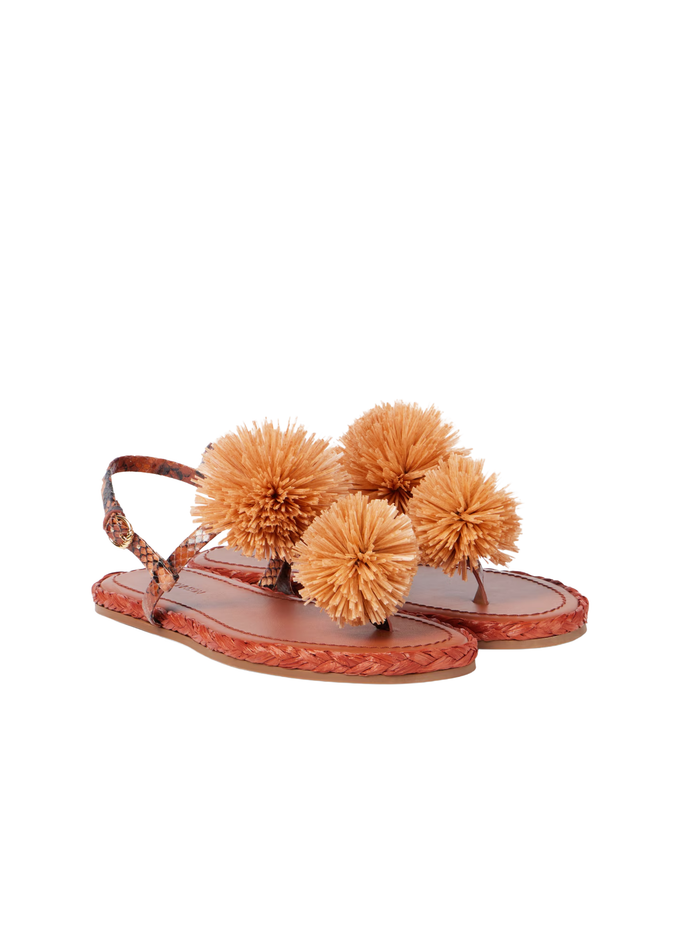
The consensus among fashion consultants is to prioritize neutral palettes—tans, blacks, creams, and deep browns—and classic materials when shopping designer sales. This approach ensures that the investment remains relevant regardless of the fluctuating trend cycle. The shift toward "personal style" over "trend adherence" is also a hallmark of the 2024-2026 fashion outlook, where individuality is increasingly valued over the homogenization of style seen on social media platforms.
Industry Implications and Retailer Responses
The retail sector’s reliance on these sales periods is also evolving. With the rise of e-commerce platforms like MyTheresa, Net-a-Porter, and Zalando, the traditional "Solden" has become a global event. This has forced brick-and-mortar boutiques to enhance their service offerings, providing personalized styling and loyalty rewards to compete with the convenience of online shopping.
Retailers have also had to contend with a more informed consumer base. Today’s shoppers often use price-comparison tools and track historical pricing to ensure they are receiving a legitimate discount. In response, luxury brands are becoming more selective about which items enter the sales cycle, often holding back "permanent collection" items from deep discounts to maintain their prestige.
Conclusion: The Future of the Sale
As the summer sales season progresses, the overarching theme is one of discernment. The transition from 2024 to 2026 marks an era where the quality of the materials and the ethics of production are as important to the consumer as the aesthetic of the shoe itself. By utilizing the sales to invest in designer labels, consumers are participating in a market correction that favors longevity over the "disposable" nature of modern fashion.
Whether it is a pair of flat sandals for daily wear or a structured slingback for professional settings, the current designer deals offer a pathway to a more curated and sustainable wardrobe. As high heels and exaggerated silhouettes move to the background, the focus remains on the "kitten heel," the "flat," and the "timeless mule"—styles that promise to remain as relevant in 2026 as they are today. The key to navigating this period lies in a well-considered decision-making process, ensuring that every purchase is an investment in both style and substance.