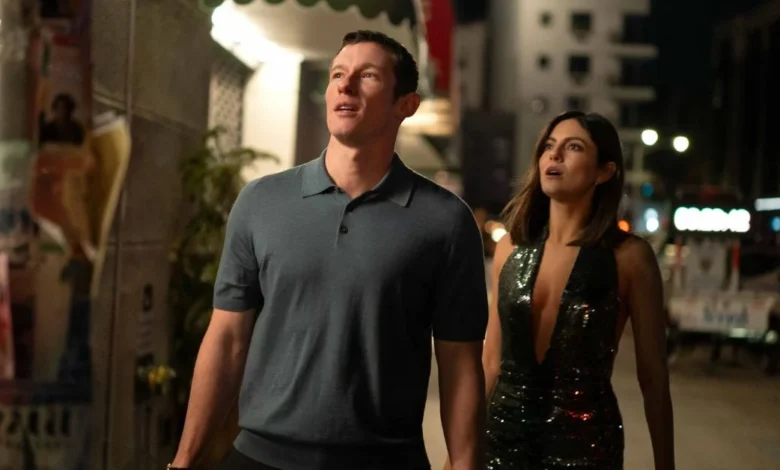
Sony Pictures has officially positioned its latest cinematic release as a cornerstone of the summer romantic comedy revival, signaling a strategic return to the high-concept, mid-budget features that once dominated the global box office. Directed by Will Gluck, the filmmaker behind genre-defining hits such as "Easy A" and "Friends with Benefits," the film titled One Night Only—released in certain markets as "Juste pour une nuit"—seeks to blend a provocative, high-concept premise with the traditional emotional resonance of classic romance. Starring Monica Barbaro and Callum Turner, the production arrives at a pivotal moment for the film industry, as studios re-evaluate the theatrical potential of romantic comedies following the unexpected commercial success of Gluck’s previous venture, "Anyone But You."
The Conceptual Framework and Narrative Core
The narrative of One Night Only is built upon a "pop culture hook" that mirrors the speculative nature of films like "The Purge," albeit through a romantic and social lens. Set within a slightly fictionalized version of New York City, the plot operates on a singular rule: for one night every year, the city’s single population is granted a social "hall pass" to pursue their desires without the usual constraints of dating etiquette or long-term expectations. However, industry analysts and the production team note that this provocative setup serves primarily as a Trojan horse for a deeper exploration of human intimacy.
The story follows Allie (played by Monica Barbaro), a self-proclaimed romantic, and Owen (Callum Turner), who is navigating the immediate aftermath of a difficult breakup. While the city around them descends into a chaotic pursuit of ephemeral encounters, the two protagonists find themselves inadvertently seeking something more substantial. The tension of the film is derived from this dichotomy: the pressure of a time-limited "free-for-all" versus the slow-burning, organic development of a genuine connection. This thematic focus addresses a contemporary cultural zeitgeist—the exhaustion associated with modern dating apps and the desire for "sincere connection in an era saturated with false signals."
A Strategic Collaboration: The Will Gluck Influence
The involvement of Will Gluck is a significant factor in the film’s market positioning. Gluck has established a reputation for modernizing the romantic comedy by infusing it with sharp, fast-paced dialogue and a self-aware edge that appeals to both Gen Z and Millennial demographics. Following the massive success of "Anyone But You," which grossed over $200 million worldwide against a modest budget, Sony Pictures has doubled down on Gluck’s ability to draw audiences back to theaters for non-franchise, character-driven stories.
Production insiders suggest that Gluck’s approach to One Night Only was to maintain the "will they, won’t they" tension that defines the genre while utilizing the New York City backdrop to heighten the stakes. By focusing on the chemistry between the two leads rather than relying solely on the "hall pass" gimmick, the film attempts to elevate itself above standard genre tropes. This strategy reflects a broader industry trend where studios are looking for "sticky" concepts that can generate viral social media interest while delivering a traditional cinematic experience.
Casting Dynamics: The Chemistry of Barbaro and Turner
The success of any romantic comedy hinges on the perceived chemistry between its leads, and early screenings of One Night Only have highlighted the pairing of Monica Barbaro and Callum Turner as a primary asset. Barbaro, who gained international recognition for her role in "Top Gun: Maverick," transitions here into a more vulnerable, dialogue-heavy role. Turner, known for his work in "Masters of the Air" and "The Boys in the Boat," provides a grounded, cynical foil to Barbaro’s character.
The production team has emphasized that the chemistry between the two was not "cheated" through editing but was a result of an extensive rehearsal process designed to foster a sense of genuine rapport. In the context of the film, their interaction is characterized by a "flirtation that takes its time," a deliberate pacing choice that contrasts with the frenetic energy of the film’s setting. This "slow-burn" approach is a calculated move to satisfy long-time fans of the genre who value emotional development over immediate plot resolution.
New York City as a Narrative Catalyst
New York City has long served as the unofficial home of the American romantic comedy, from "When Harry Met Sally" to "You’ve Got Mail." One Night Only leans heavily into this tradition, utilizing the city’s nocturnal landscape to create an atmosphere that is simultaneously "unpredictable, electric, and romantic." The filming locations—ranging from late-night pizza shops to the iconic streets of various boroughs—are intended to give the film a "texture that is modern, sexy, and deeply romantic."
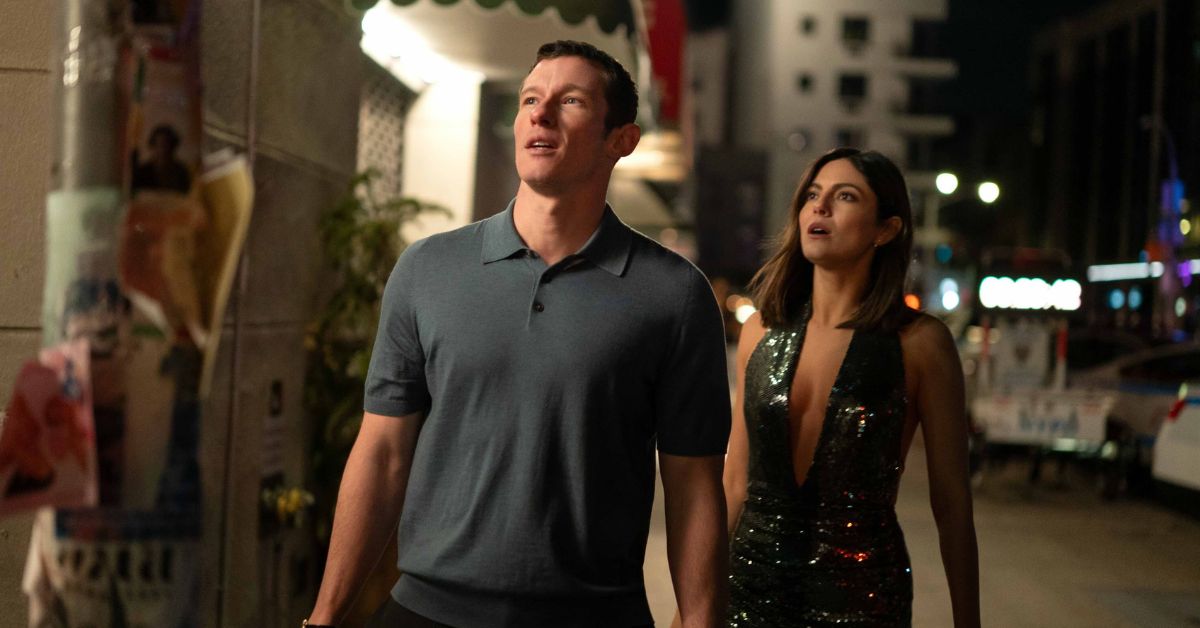
From a technical standpoint, the cinematography captures the "blue-hour" and nighttime aesthetics of the city to reflect the characters’ internal states. The "side quests" and improvised journeys through the city’s neighborhoods serve as metaphors for the unpredictability of new love. By treating the setting as a living character, the film taps into a sense of urban escapism that has historically resonated with global audiences.
Industry Context: The Rom-Com’s Financial Resurgence
The release of One Night Only comes at a time when the "mid-budget" movie is seeing a tentative revival in theaters. For nearly a decade, romantic comedies were largely relegated to streaming platforms like Netflix and Hulu. However, the financial data from 2023 and early 2024 suggests a shift in consumer behavior.
- The "Anyone But You" Effect: The success of Gluck’s previous film proved that there is still a significant theatrical appetite for romantic comedies, provided they feature "ultra-desirable" casting and high production values.
- Demographic Shifts: Data indicates that younger audiences, particularly women aged 18–34, are driving the box office for these titles, seeking communal viewing experiences that streaming cannot replicate.
- Cost-to-Profit Ratio: Compared to superhero blockbusters that require budgets upwards of $200 million, films like One Night Only are relatively inexpensive to produce, offering a higher potential for a significant return on investment.
Sony Pictures’ decision to partner closely with Gluck on this project indicates a long-term commitment to this genre as a viable theatrical pillar.
Chronology of Production and Release
The development of One Night Only followed an accelerated timeline, capitalizing on the momentum of the genre’s resurgence.
- Early 2023: Script development finalized with a focus on "high-concept urban romance."
- Mid-2023: Monica Barbaro and Callum Turner were cast following chemistry reads that the studio described as "instantaneous."
- Late 2023: Principal photography took place on location in New York City, primarily during night shoots to capture the specific "nocturnal vibration" required by the script.
- Spring 2024: The first teaser trailers were released, focusing on the "one night" premise and the tension between the leads.
- Summer 2024: The film’s global rollout began, supported by a marketing campaign that emphasized the "summer rom-com" experience.
Broader Implications and Genre Analysis
The implications of One Night Only extend beyond its immediate box office performance. The film represents a test case for whether the "high-concept" romantic comedy can maintain its momentum without relying on existing intellectual property or sequels. By blending the provocative (the "one night" rule) with the traditional (the search for sincere connection), the film attempts to bridge the gap between edgy modern content and classic storytelling.
Furthermore, the film’s focus on "missed timings" and "chaotic environments" reflects a post-pandemic shift in how romance is depicted on screen. There is a growing cinematic interest in the "missed connection" and the difficulty of finding stability in a world that feels increasingly temporary. One Night Only utilizes its fictional premise to comment on the very real difficulty of modern dating, suggesting that even in a world designed for the ephemeral, the human desire for a "look that insists" and a "conversation that overflows" remains constant.
Conclusion: The Cultural Weight of a Single Night
As One Night Only enters the competitive summer market, its success will likely influence studio decisions for the next several years. If the film resonates with audiences, it will confirm that the "Will Gluck formula"—witty dialogue, charismatic leads, and a strong sense of place—is a reliable engine for theatrical success.
Ultimately, the film aims to remind viewers why the romantic comedy remains a staple of the cinematic experience. By creating "sparks in the middle of chaos" and fostering the belief that "a single night can still change everything," One Night Only seeks to capture the imagination of a public that, despite the prevalence of digital dating, still craves the magic of a chance encounter in the heart of New York City. The collaboration between Sony Pictures and Will Gluck stands as a testament to the enduring power of the genre and the continued relevance of the "big screen" romance in the 21st century.