The rich tapestry of European history is often celebrated through ancient ruins, grand cathedrals, and renowned artistic masterpieces. However, a less tangible yet deeply ingrained element of cultural heritage is now stepping into the spotlight: the art and tradition of brewing. For centuries, beer has been more than just a beverage; it has been intrinsically linked to the identity, economy, and social fabric of countless communities across the continent. Recognizing this profound connection, a new European network, the European Network of Brewing Communes and Regions (RECORB), has officially launched, aiming to empower cities, communes, and regions to leverage their brewing heritage for sustainable tourism, enhanced local pride, and robust economic development. This initiative presents a compelling opportunity for territories to embrace their past and forge a more prosperous, culturally rich future.
The Genesis of RECORB: A Vision for Brewing Heritage
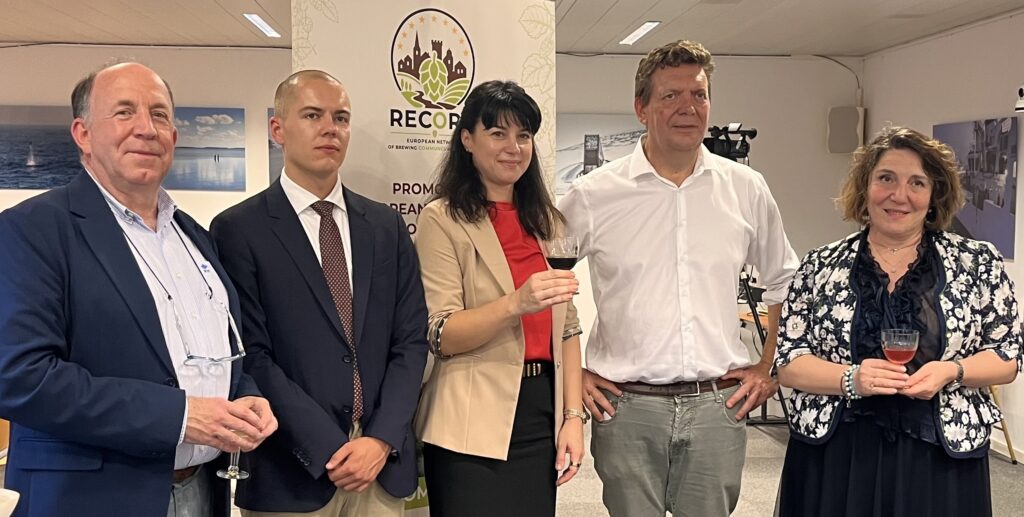
The official inauguration of RECORB, a non-profit association established under Belgian law, took place on June 24, 2026, at the prestigious Press Club Brussels Europe. This event marked a significant moment, signaling a paradigm shift in how European localities can conceptualize and market their unique assets. The fundamental premise of RECORB is to move beyond viewing beer solely as a product of taste and enjoyment. Instead, it champions a holistic approach, recognizing that each glass of beer is a testament to a specific territory—a commune, a region, a distinct landscape—and to generations of accumulated knowledge and craftsmanship passed down through families and guilds.
RECORB’s ambition is to transform this deep-seated brewing legacy into a tangible and valuable tourism asset. It offers local and regional leaders a fresh perspective: instead of focusing narrowly on individual breweries, the network advocates for showcasing entire territories. This integrated approach weaves together culture, heritage, gastronomy, and the unique local identity that brewing intrinsically represents. In this vision, beer becomes a potent gateway, unlocking access to Europe’s diverse history, picturesque landscapes, and enduring traditions.
The Strategic Advantage of Beer Tourism
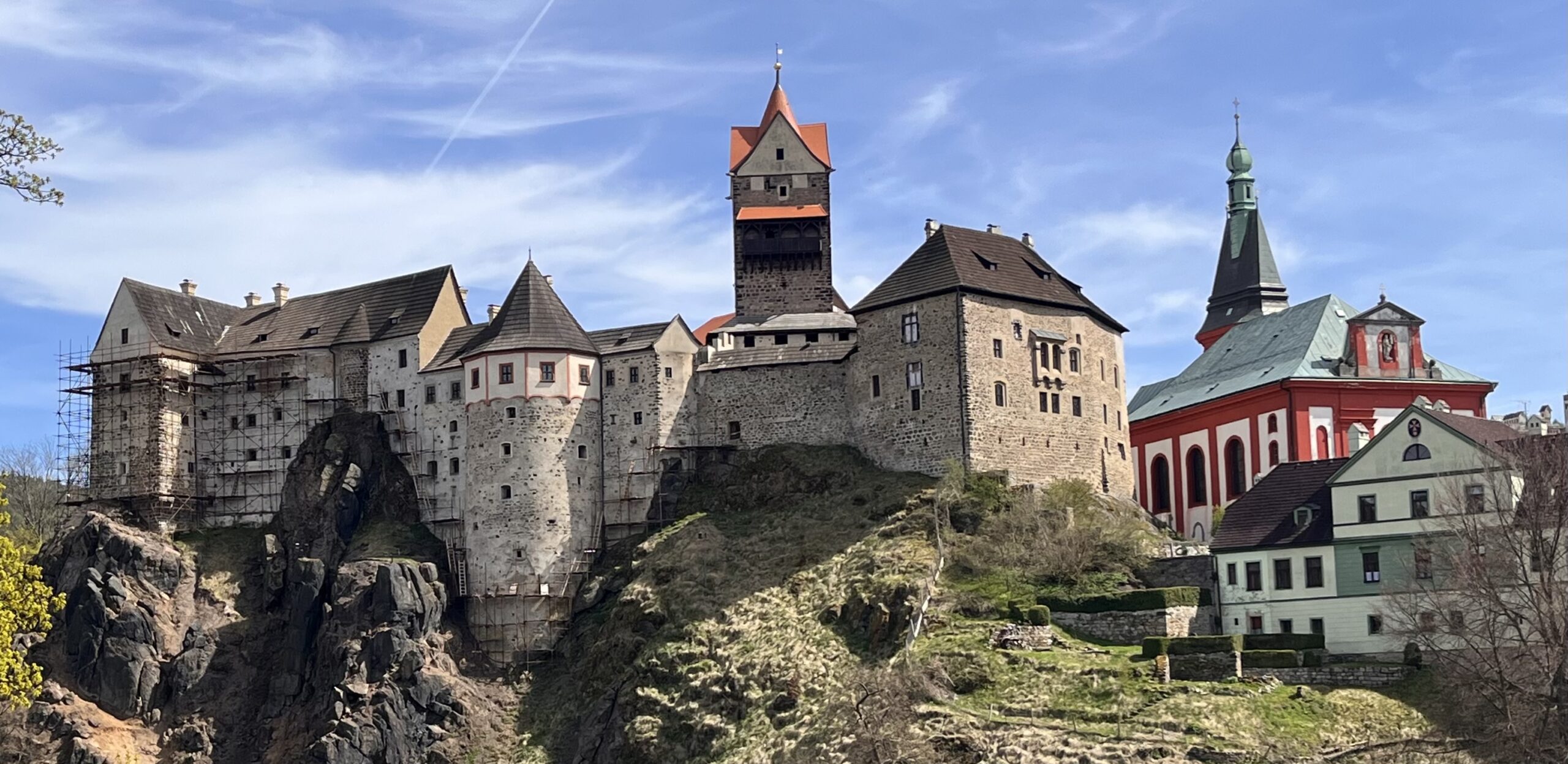
The logic underpinning RECORB’s strategy is compelling for any commune or region seeking to enhance its appeal and economic resilience. Beer tourism offers a powerful counter-narrative to the challenges of overtourism. It actively draws visitors away from the saturated, often overcrowded, major tourist hotspots and redirects them towards smaller cities, rural communes, and regions that lie off the beaten path of mass tourism. This redirection has a direct and positive impact on local economies, sustaining businesses such as hotels, restaurants, shops, and local craft industries.
Furthermore, the cyclical nature of brewing, intrinsically tied to agricultural harvests, seasonal festivals, and enduring local traditions, naturally lends itself to spreading visitor flows throughout the year. Unlike tourism concentrated solely in peak weeks, beer-related events and experiences can activate destinations during shoulder seasons and even off-peak periods. This aligns perfectly with the burgeoning "Beer Trips" movement, which is rapidly reshaping European travel by prioritizing authentic local discovery, embracing slow tourism principles, and placing a spotlight on lesser-known yet culturally rich destinations. This trend signifies a growing demand for immersive experiences that connect travelers with the genuine character of a place, and RECORB is positioned to be at the forefront of this movement.
European Recognition: A Timely Endorsement
The launch of RECORB arrives at a particularly opportune moment, coinciding with increasing recognition of sustainable tourism at the European level. On April 28, 2026, the European Parliament adopted MEP Daniel Attard’s resolution on sustainable tourism. This landmark resolution was the first parliamentary text to explicitly identify beer and beer tourism, alongside wine and gastronomy, as crucial levers for fostering sustainable European tourism. Crucially, it also acknowledged the vital role that cities, communes, and regions play in rebalancing tourist flows across the continent. As the European Commission now gears up to develop its first unified strategy for sustainable tourism, brewing heritage has firmly secured its place on the continental agenda, thanks to initiatives like RECORB.
This growing political recognition was palpable at the RECORB launch event. Benoît Cassart, a Member of the European Parliament, emphasized the profound benefits of beer tourism, stating, "Through beer tourism, regions keep their identity and local traditions alive, support local economies, and enhance the appeal of their territories." He further elaborated that beer tourism serves as a tangible tool for promoting cultural heritage, generating employment opportunities, and strengthening territorial cohesion across Europe. Cassart underscored that cities and regions are paramount in preserving and showcasing this shared, invaluable asset.
A Multi-faceted Framework: Label, Network, and Tools
At the core of RECORB’s operational framework lies the innovative "Brewing Commune" label. This initiative is strategically modelled on the highly successful "towns in bloom" scheme, a well-established program that recognizes and promotes floral beauty in European municipalities. The "Brewing Commune" label will serve to distinguish territories based on the intensity and significance of their brewing presence, indicated by a system of one, two, or three hops. This tiered system will unite a diverse array of stakeholders under a single, cohesive banner, including brewers, taverns, restaurateurs, heritage guilds, museums, tourist offices, and festival organizers.
The significance of this labeling system was underscored at the launch with the designation of the Walloon municipality of Braine-l’Alleud as RECORB’s very first official Brewing Commune. While historically more renowned for its pivotal role in the Battle of Waterloo, Braine-l’Alleud’s recognition demonstrates that a territory’s rich legacy can be built and celebrated just as effectively through its expertise in malt, hops, and artisanal craftsmanship as it can through historical events. The official plaque, signifying its "Brewing Commune" status and awarded number of hops, will be presented at a formal ceremony in the coming weeks, marking a symbolic embrace of its brewing heritage.
RECORB also benefits from its position as the institutional partner of the broader beBeer ecosystem. This partnership provides access to a comprehensive suite of digital tools meticulously designed for cultural and heritage discovery. These include the "beBeer in your pocket" web app, the Beer Planner, the Beer Routes feature, the Beer Trips platform, and the interactive Brasserium. Collectively, these digital resources facilitate a "phygital" form of tourism, where the immersive on-site experience is seamlessly enhanced and reinforced by accessible digital information and planning tools. It is important to note that beBeer is not merely a simple "beer network"; it is a comprehensive European beer tourism initiative dedicated to fostering authentic travel experiences and promoting sustainable discovery.
Industry Endorsement and Economic Implications
The launch event at the Press Club Brussels Europe served as a crucial convergence point, bringing together representatives from Permanent Representations to the European Union, regional representation offices based in Brussels, and members of the international press. The gathering was further enriched by the presence of European craft brewers, who offered a vibrant illustration of the continent’s diverse brewing landscape. The initiative garnered significant backing from the broader European brewing sector. Julia Leferman, Secretary General of The Brewers of Europe, eloquently highlighted the multifaceted significance of beer, stating that it is "more than a beverage—it is part of Europe’s cultural heritage and an important contributor to its economic future." She emphasized that initiatives such as RECORB play a vital role in strengthening the connections between breweries, their local communities, and wider regions, thereby underscoring beer’s capacity to support tourism, foster local development, and bolster European competitiveness on a global scale.
A Call to Action for European Leaders
The opportunity presented by RECORB is concrete and actionable for local and regional elected representatives across Europe. By joining the network, territories can achieve formal recognition for their brewing heritage, thereby strengthening their overall appeal and stimulating local economic development. It provides a unifying platform to bring together local brewers, cafés, restaurants, and cultural stakeholders under a shared, recognizable identity. Communes that earn the "Brewing Commune" label gain significant European visibility and a framework for promoting their unique assets. Regions, in turn, can leverage this to connect multiple communes, weaving together local ingredients, historic towns, outstanding breweries, and vibrant communities into cohesive and compelling "Beer Routes" that offer a singular, immersive journey.
In essence, brewing heritage transcends the simple enjoyment of a shared glass. It represents a potent and often untapped driver of identity, tourism appeal, and deep-seated local pride for hundreds of European communes and regions. As the demand for authentic, sustainable, and culturally rich travel experiences continues to grow, RECORB offers a timely and strategic pathway for territories to unlock the full potential of their brewing legacy. The network provides the structure, recognition, and tools necessary to transform this historical asset into a dynamic engine for contemporary economic prosperity and cultural preservation.
The invitation is clear: does your territory possess a compelling brewing story waiting to be told? By joining the RECORB movement, you can contribute to a growing network of European localities celebrating and capitalizing on their rich brewing heritage. Further information and details on how to participate can be found at www.recorb.eu.