The Science and Evolution of LED Light Therapy and the Rising Trend of Green Light for Skincare

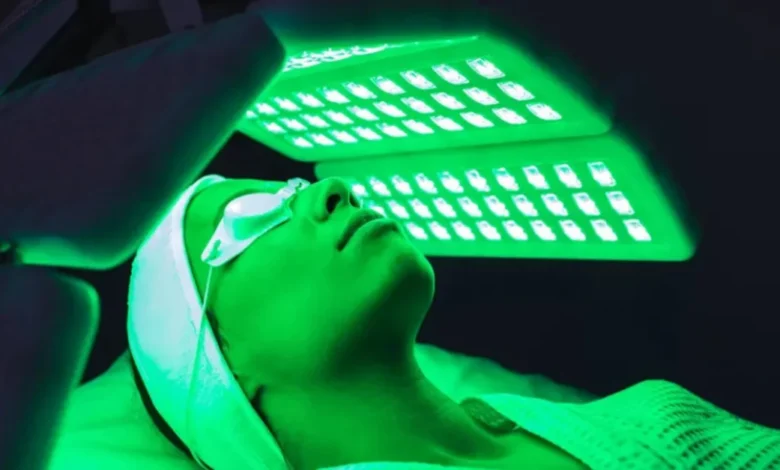
Light-emitting diode (LED) therapy, scientifically referred to as photobiomodulation or low-level light therapy (LLLT), has transitioned from a specialized medical treatment to a cornerstone of the global skincare industry. While red and blue light therapies have long dominated the market, a new contender—green light—is increasingly capturing the attention of consumers and dermatologists alike. This surge in interest prompts a critical examination of the technology’s efficacy, the biological mechanisms at play, and the scientific reality behind the claims of skin rejuvenation and pigment correction.
The Historical Trajectory of Photobiomodulation
The origins of LED therapy are rooted not in aesthetics, but in space exploration and clinical wound healing. In the 1990s, NASA began experimenting with LEDs to promote plant growth in space. During these experiments, researchers observed that the light also facilitated the healing of minor skin abrasions on the hands of laboratory technicians. This serendipitous discovery led to extensive research into how specific wavelengths of light interact with human cells.
By the early 2000s, the medical community began adopting LLLT for various applications, including the treatment of "slow-to-heal" wounds, such as diabetic foot ulcers and radiation-induced dermatitis. The technology eventually migrated into the dermatological field, where it was initially used in high-end clinical settings. Today, the democratization of this technology has resulted in a proliferation of at-home devices, ranging from handheld wands to full-face masks, allowing consumers to replicate professional treatments in a domestic environment.
The Physics of Light and Skin Interaction
To understand the efficacy of LED therapy, one must look at the physics of the electromagnetic spectrum. Light consists of photons that travel at specific wavelengths, measured in nanometers (nm). The depth to which light penetrates the skin is directly proportional to its wavelength; longer wavelengths reach deeper tissues, while shorter wavelengths act upon the surface.
Dermatologists categorize these treatments based on the color of the light, which corresponds to specific therapeutic targets:
- Blue Light (400–490 nm): Possessing the shortest wavelength among common therapeutic lights, blue light primarily targets the epidermis. It is renowned for its antimicrobial properties, specifically its ability to destroy Propionibacterium acnes, the bacteria responsible for acne breakouts.
- Red Light (630–700 nm): This wavelength penetrates deeper into the dermis. It is utilized to stimulate fibroblasts, the cells responsible for collagen production. By enhancing cellular metabolism, red light aids in reducing fine lines, improving skin elasticity, and calming inflammation.
- Near-Infrared Light (800–1200 nm): Though invisible to the naked eye, infrared light reaches the deepest layers, including the subcutaneous tissue and muscle. It is frequently employed for pain management, deep tissue repair, and systemic anti-inflammatory effects.
The Emergence of Green Light: Theory vs. Clinical Evidence
Green light, typically operating at a wavelength of 520 to 550 nanometers, occupies the middle ground of the visible spectrum. In the hierarchy of penetration, it reaches the base of the epidermis, where melanocytes—the cells responsible for skin pigment—reside.
The primary marketing claim for green light therapy is its ability to treat hyperpigmentation, melasma, and age spots. Dr. Thomas Maselis, a prominent dermatologist and president of Euromelanoma Belgium, explains the underlying biological theory: "Green light is believed to inhibit the transformation of tyrosine into eumelanin. Tyrosine is an amino acid essential for the production of melanin. By slowing this chemical conversion, the theory suggests that green light can prevent the formation of new dark spots and help fade existing pigmentation."
However, the medical community maintains a stance of cautious optimism. Unlike red and blue light, which are backed by decades of peer-reviewed clinical trials, the data supporting green light is still in its infancy. "At this stage, we lack robust, large-scale scientific studies that definitively prove these effects in a clinical setting," notes Dr. Maselis. "While the theory is sound based on how light interacts with cells, it remains largely experimental in practice."
The Role of At-Home Devices in Modern Skincare
The rise of green light therapy is inextricably linked to the boom in the "beauty tech" market. As consumers seek non-invasive, chemical-free alternatives to traditional skincare, LED masks have become a symbol of the modern "self-care" routine. These devices offer a convenient, painless method for addressing skin concerns without the downtime associated with chemical peels or laser resurfacing.
Despite their popularity, the efficacy of at-home devices often pales in comparison to professional-grade equipment. Clinical LED panels used by dermatologists have a much higher "irradiance"—the density of energy delivered to the skin—than consumer-grade masks. Consequently, while at-home masks are generally safe, they require significantly more time and consistency to produce visible results.
Safety Protocols and Contraindications
While LED therapy is celebrated for its lack of side effects, it is not universally applicable. The non-invasive nature of the treatment can lead to a false sense of security, but certain medical conditions and medications necessitate caution.
Dermatologists advise against LED therapy for individuals with:
- Photosensitivity: Conditions such as lupus or polymorphic light eruption can be triggered by intense light exposure.
- Epilepsy: Certain pulsing light settings on LED masks can trigger seizures in photosensitive individuals.
- Migraines: The brightness of the LEDs can be a catalyst for chronic headaches or ocular migraines.
- Specific Medications: Certain antibiotics (like tetracycline), isotretinoin (Accutane), and some anti-inflammatory drugs increase the skin’s sensitivity to light, potentially leading to burns or rashes.
Furthermore, eye protection is a critical consideration. While many masks are designed with built-in shields, the high-intensity light can still cause strain or damage to the retina if used improperly. Experts recommend that users always verify that their devices are FDA-cleared or CE-certified to ensure they meet safety standards.
The Impact of Skin Tone on Light Absorption
An often-overlooked factor in the effectiveness of LED therapy is the patient’s natural skin pigment. The principle of selective photothermolysis dictates that darker pigments absorb more light energy.
"In individuals with higher melanin content—darker skin tones—the pigment in the epidermis absorbs a significant portion of the LED light before it can reach the deeper layers," Dr. Maselis explains. "This absorption causes the skin to heat up more quickly." While this doesn’t necessarily make the treatment dangerous, it does mean that the settings and duration may need to be adjusted to ensure the light reaches its intended target without causing thermal stress to the surface of the skin.
The Requirement for Consistency and Patience
One of the primary reasons consumers become disillusioned with LED therapy is the lack of immediate results. Unlike a filler injection or a chemical peel, which can show results within days, photobiomodulation is a cumulative process.
The biological changes triggered by light—such as collagen synthesis or the slowing of melanin production—take weeks, if not months, to manifest on the surface. Dr. Maselis emphasizes that "patience is the most important component of the treatment. Results require regular, disciplined application over an extended period. Many people stop using the devices before the cellular changes have had time to become visible."
Market Analysis and Future Implications
The global LED light therapy market was valued at approximately $250 million in 2022 and is projected to grow at a compound annual growth rate (CAGR) of over 10% through 2030. This growth is driven by advancements in wearable technology and an aging population seeking anti-aging solutions.
As the technology evolves, we can expect to see:
- Personalized Wavelengths: Devices that use AI to scan the skin and adjust the light spectrum based on specific daily needs (e.g., more blue light for a breakout, more red light for inflammation).
- Combination Therapies: The integration of LED with other modalities, such as microcurrent or sonic vibration, to enhance product penetration and muscle toning.
- Increased Regulation: As the market becomes saturated with low-cost, unverified devices, regulatory bodies are expected to tighten standards for "medical-grade" claims in consumer tech.
Conclusion: A Tool, Not a Miracle
LED therapy, including the emerging trend of green light, represents a significant advancement in non-invasive dermatological care. By leveraging the body’s natural response to specific light wavelengths, these treatments offer a way to support skin health at a cellular level. However, the expert consensus remains clear: while red and blue lights are proven workhorses of the industry, green light is a promising but yet-to-be-proven newcomer.
For the modern consumer, the best approach is one of informed integration. LED therapy should be viewed as a supplement to—rather than a replacement for—a robust skincare regimen involving sun protection, hydration, and professional medical advice. As Dr. Maselis and his colleagues continue to monitor the clinical landscape, the future of light therapy looks bright, provided it is guided by science rather than marketing alone.