The European landscape, steeped in centuries of tradition and diverse cultural expressions, is witnessing the emergence of a significant new initiative poised to leverage one of its most cherished yet often understated heritage assets: brewing. The European Network of Brewing Communes and Regions, or RECORB, officially launched on June 24, 2026, at the prestigious Press Club Brussels Europe, heralding a new era for local and regional development through the strategic valorization of brewing heritage. This non-profit association, established under Belgian law, extends a compelling invitation to municipalities and regional authorities across the continent to reimagine their brewing past as a potent catalyst for sustainable tourism, a source of renewed local pride, and a robust engine for economic growth.
For generations, beer has been primarily perceived as a consumable, a beverage enjoyed for its taste and then largely forgotten. However, a profound paradigm shift is quietly underway across Europe. RECORB champions the understanding that behind every glass of beer lies a rich tapestry of territory: a specific commune, a defined region, a unique landscape, and crucially, generations of artisanal knowledge meticulously passed down through time. The network’s core ambition is to transform this deep-seated heritage into a tangible and valuable tourism asset, thereby unlocking its considerable economic and cultural potential.
Beer as a Gateway to European Heritage: A Paradigm Shift
RECORB offers local and regional leaders a fundamentally altered perspective. Instead of focusing solely on individual breweries, the network advocates for the promotion of entire territories. This integrated approach weaves together the threads of culture, historical heritage, gastronomic traditions, and the distinct local identity that brewing has fostered. In this framework, beer transcends its status as a mere drink to become a powerful gateway, offering visitors an authentic entry point into Europe’s diverse histories, breathtaking landscapes, and time-honored traditions.
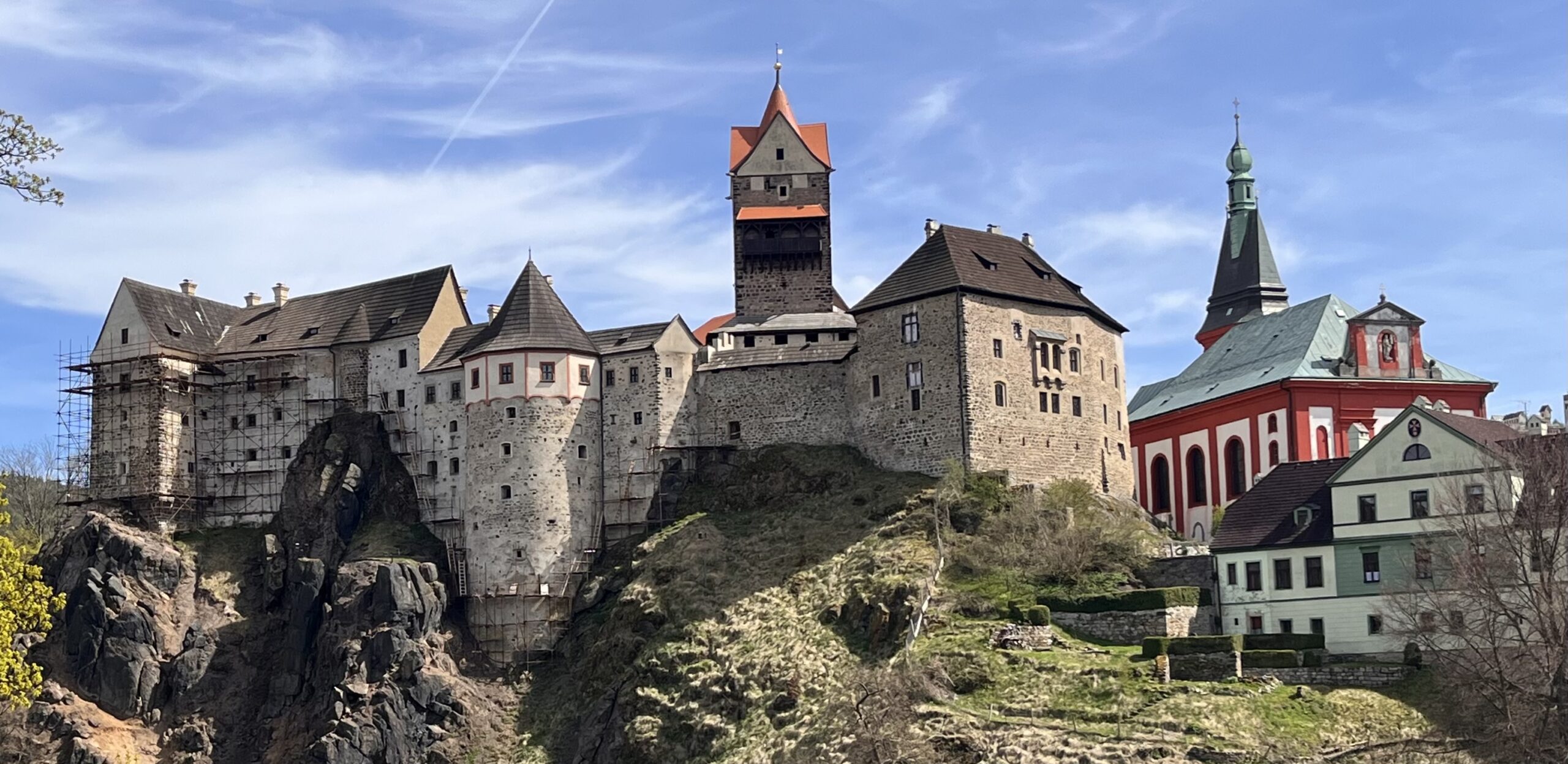
The underlying logic is exceptionally potent for any commune or region aspiring to enhance its appeal and economic resilience. Beer tourism possesses a unique ability to draw visitors away from overcrowded, saturated tourist hotspots, redirecting them towards smaller cities, rural communes, and regions that have historically been bypassed by mass tourism. This redirection of tourist flows has a direct and beneficial impact on local economies, sustaining hotels, restaurants, artisanal shops, and local craft industries. Furthermore, the cyclical nature of brewing, often intrinsically linked to harvest seasons, local festivals, and seasonal traditions, naturally encourages a more distributed flow of visitors throughout the year, mitigating the seasonality that plagues many traditional tourism models. This aligns perfectly with the burgeoning "Beer Trips" movement, which is actively reshaping European travel by emphasizing authentic local discovery, promoting slow tourism, and shining a spotlight on lesser-known yet richly rewarding destinations. Data from the European Travel Commission consistently highlights a growing traveler preference for authentic experiences and off-the-beaten-path destinations, a trend that RECORB is strategically positioned to capitalize on.
A European Recognition at the Right Moment: Policy Alignment and Momentum
The establishment of RECORB arrives at a particularly opportune moment in the broader European policy landscape. On April 28, 2026, the European Parliament adopted a landmark resolution on sustainable tourism, championed by MEP Daniel Attard. This resolution marked a significant milestone as the first European parliamentary text to explicitly acknowledge beer and beer tourism, alongside wine and gastronomy, as vital levers for fostering sustainable tourism across the continent. Crucially, it also recognized the indispensable role of cities, communes, and regions in rebalancing tourist flows and mitigating the negative impacts of overtourism. As the European Commission actively prepares its inaugural unified strategy for sustainable tourism, the recognition of brewing heritage’s potential has definitively secured its place on the continental agenda, providing a supportive policy framework for initiatives like RECORB.
This pivotal recognition was echoed during the RECORB launch event by key figures shaping European policy. Benoît Cassart, a Member of the European Parliament, eloquently articulated the network’s significance: "Through beer tourism, regions keep their identity and local traditions alive, support local economies, and enhance the appeal of their territories." He further described beer tourism as a "tangible tool for promoting cultural heritage, creating jobs, and strengthening territorial cohesion across Europe," emphasizing the critical role that cities and regions play in preserving and showcasing this shared, invaluable asset. The inclusion of beer in European policy discussions is a testament to its growing recognition not just as a beverage, but as a cultural and economic cornerstone with far-reaching implications.
A Label, a Network, a Set of Tools: Operationalizing Heritage
At the operational core of RECORB’s strategy lies the "Brewing Commune" label. This innovative scheme, inspired by the highly successful "towns in bloom" initiative, is designed to officially recognize and distinguish territories based on the demonstrable intensity of their brewing presence. The labeling system utilizes a tiered approach, represented by one, two, or three hops, to signify different levels of brewing significance. This framework serves to unite a diverse array of stakeholders – including brewers, traditional taverns, restaurateurs, historical guilds, local museums, dedicated tourist offices, and vibrant festivals – under a unified banner of shared heritage and collective promotion.
A poignant illustration of this concept was evident at the launch ceremony. The Walloon municipality of Braine-l’Alleud, historically more renowned for its association with the pivotal Battle of Waterloo, was officially designated as RECORB’s very first "Brewing Commune." This designation powerfully demonstrates that a territory’s enduring legacy can be just as firmly rooted in the rich traditions of malt, hops, and meticulous craftsmanship as it is in historical events. The formal presentation of Braine-l’Alleud’s plaque, complete with its allotted number of hops, is scheduled to take place at a dedicated ceremony in the coming weeks, symbolizing a strategic reimagining of its historical narrative.
As the institutional partner of the broader beBeer ecosystem, RECORB leverages a sophisticated suite of digital tools meticulously designed to enhance cultural and heritage discovery. These include the "beBeer in your pocket" web app, the Beer Planner, curated Beer Routes, the immersive Beer Trips platform, and the interactive Brasserium. Collectively, these digital resources foster a "phygital" form of tourism, where the tangible, on-site experience is profoundly amplified and enriched by accessible, dynamic digital information and engagement. It is important to note that beBeer is not merely a "beer network" but rather a comprehensive European beer tourism initiative meticulously built upon the foundation of authentic travel experiences and a commitment to sustainable discovery. The integration of digital platforms into heritage tourism is a growing trend, with studies indicating that nearly 70% of travelers use their smartphones for trip planning and on-site information.
An Industry Behind the Idea: Broad Support and Collaboration
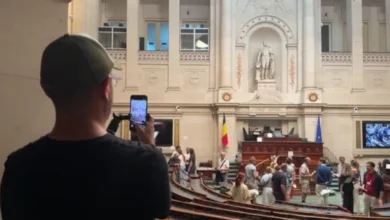
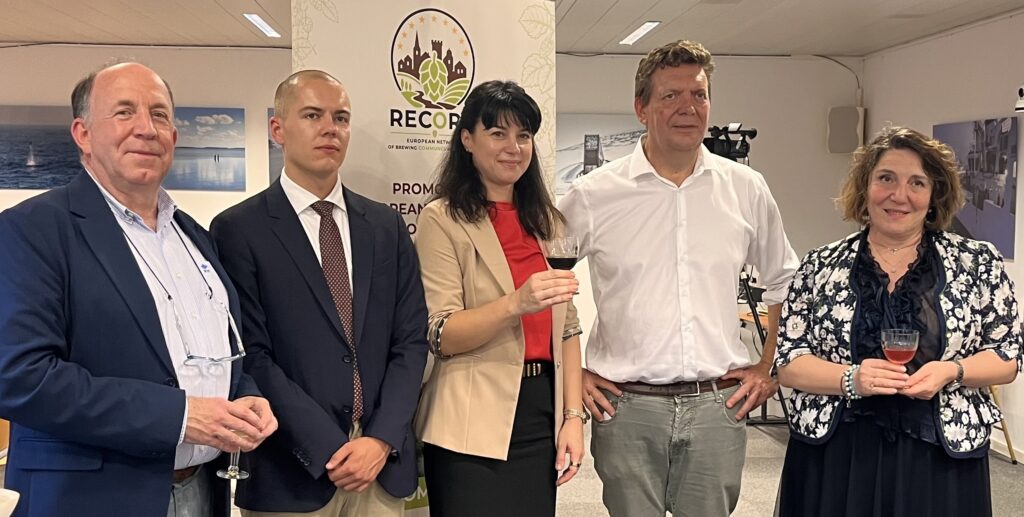
The official launch event at the Press Club Brussels Europe convened a distinguished assembly of stakeholders, including representatives from Permanent Representations to the European Union, regional representation offices based in Brussels, and members of the international press. The gathering was further enhanced by the presence of European craft brewers, who provided a vibrant and tangible illustration of the continent’s rich and diverse brewing landscape. The initiative has garnered substantial backing from across the European brewing sector. Julia Leferman, Secretary General of The Brewers of Europe, underscored the profound significance of beer, stating that it is "more than a beverage – it is an integral part of Europe’s cultural heritage and a vital contributor to its economic future." She further emphasized that initiatives like RECORB play a crucial role in "strengthening the connection between breweries, communities, and regions, highlighting the role of beer in supporting tourism, local development, and European competitiveness." This broad industry support signals a unified vision for the future of beer heritage and its economic potential.
An Invitation to Europe’s Mayors and Regional Leaders: Concrete Opportunities
The opportunity presented by RECORB is concrete and compelling for local and regional elected representatives across Europe. To become a member of RECORB is to secure formal recognition for a territory’s unique brewing heritage, thereby strengthening its overall appeal and fostering local economic development. It provides a structured framework to bring together local brewers, cafés, restaurants, and cultural stakeholders under a unified and recognizable identity. Communes that qualify earn the prestigious "Brewing Commune" label, gaining invaluable European visibility and a distinct competitive edge. Regions, in turn, can strategically link their constituent communes, developing authentic "Beer Routes" that artfully connect local ingredients, historic towns, outstanding breweries, and vibrant, living communities into a cohesive and enriching journey.
The historical narrative and economic potential embedded within brewing heritage extend far beyond the simple act of sharing a glass. It represents a powerful and often untapped driver of regional identity, a significant enhancer of tourism appeal, and a vital source of local pride for hundreds of communes and regions across the European continent. As European governments increasingly prioritize sustainable development and cultural preservation, RECORB offers a timely and effective mechanism for territories to harness their unique brewing legacies for broad-based benefit. The economic impact of heritage tourism is substantial, with UNESCO World Heritage sites alone contributing billions of euros annually to local economies. By focusing on the more accessible and widespread heritage of brewing, RECORB aims to democratize this economic benefit and distribute it more widely across smaller towns and rural areas.
The initiative’s call to action is clear: "Does your territory have a brewing story to tell? Join the movement and discover more here: www.recorb.eu." This invitation is an opportunity for communities to not only preserve their past but to actively shape a more prosperous and culturally vibrant future, one pint, one route, and one shared story at a time. The European Union’s commitment to regional development and cultural diversity provides a fertile ground for RECORB’s ambitious vision, suggesting a promising future for this innovative network.