Hainan Sets Ambitious 2030 Ban on Internal Combustion Engine Vehicles Outpacing Global and National Electrification Targets

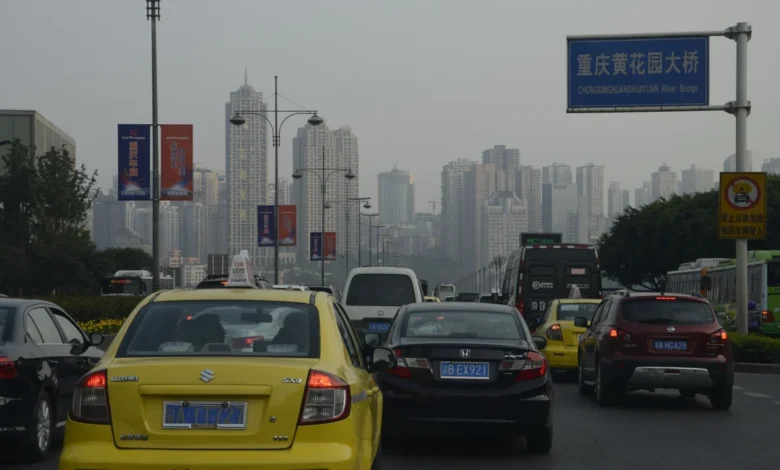
The Chinese province of Hainan has officially committed to a total ban on the sale of new internal combustion engine (ICE) vehicles by 2030, marking a significant milestone in the global transition toward sustainable transportation. This decision positions the tropical island province as a frontrunner in climate policy, moving five years ahead of the European Union’s 2035 target and establishing a rigorous precedent for the rest of the People’s Republic of China. While the European Union has recently faced internal political pressure to soften its stance on the 2035 phase-out—allowing for potential exemptions regarding carbon-neutral e-fuels—Hainan’s "Clean Energy Vehicle Development Plan" underscores a rigid and accelerated commitment to New Energy Vehicles (NEVs), which include battery-electric vehicles (BEVs), plug-in hybrids (PHEVs), and hydrogen fuel cell vehicles (FCEVs).
This provincial mandate is not an isolated policy but a cornerstone of a broader strategic initiative to transform Hainan into a "National Ecological Civilization Pilot Zone." By 2030, the province aims for NEVs to account for 45 percent of its total vehicle fleet, a staggering leap from the current 23.7 percent. This objective is notably more aggressive than China’s national guideline, which currently targets a 30 percent NEV fleet share by the end of the decade. As the first Chinese province to codify a hard deadline for the cessation of ICE sales, Hainan is effectively serving as a laboratory for the nation’s green energy transition, providing a blueprint that high-density urban centers like Shanghai, Shenzhen, and Guangzhou are expected to monitor closely.
The Strategic Roadmap and Fleet Transformation
The transition in Hainan is structured around a multi-phase implementation strategy that prioritizes public and commercial sectors before moving to private car ownership. The provincial government has outlined that all new and replacement vehicles in the public service sector, including government fleets and public transport, must be 100 percent powered by clean energy. This extends to the logistics and postal services, where electrification is already well underway.
According to the latest provincial data, Hainan’s current NEV penetration rate is among the highest in China. As of mid-2024, nearly one in four vehicles on Hainan’s roads is a New Energy Vehicle. To reach the 45 percent fleet-wide goal by 2030, the province must navigate the replacement of over a million legacy ICE vehicles. The strategy relies heavily on "Green Plate" incentives—a system used throughout China to grant NEV owners exemptions from the restrictive license plate lotteries and auctions that plague ICE owners in major cities. In Hainan, these incentives are paired with lower registration fees and expanded access to restricted urban zones.
Infrastructure Expansion: Charging and Battery Swapping
A critical component of Hainan’s success lies in its aggressive infrastructure development. To eliminate "range anxiety"—the primary psychological barrier to EV adoption—Hainan has set a target of maintaining a vehicle-to-charger ratio of at least 2.5 to 1. This means for every five electric vehicles on the road, there will be at least two charging points available. This ratio is significantly more robust than those found in many Western markets, where the lack of public charging infrastructure continues to hamper adoption rates.
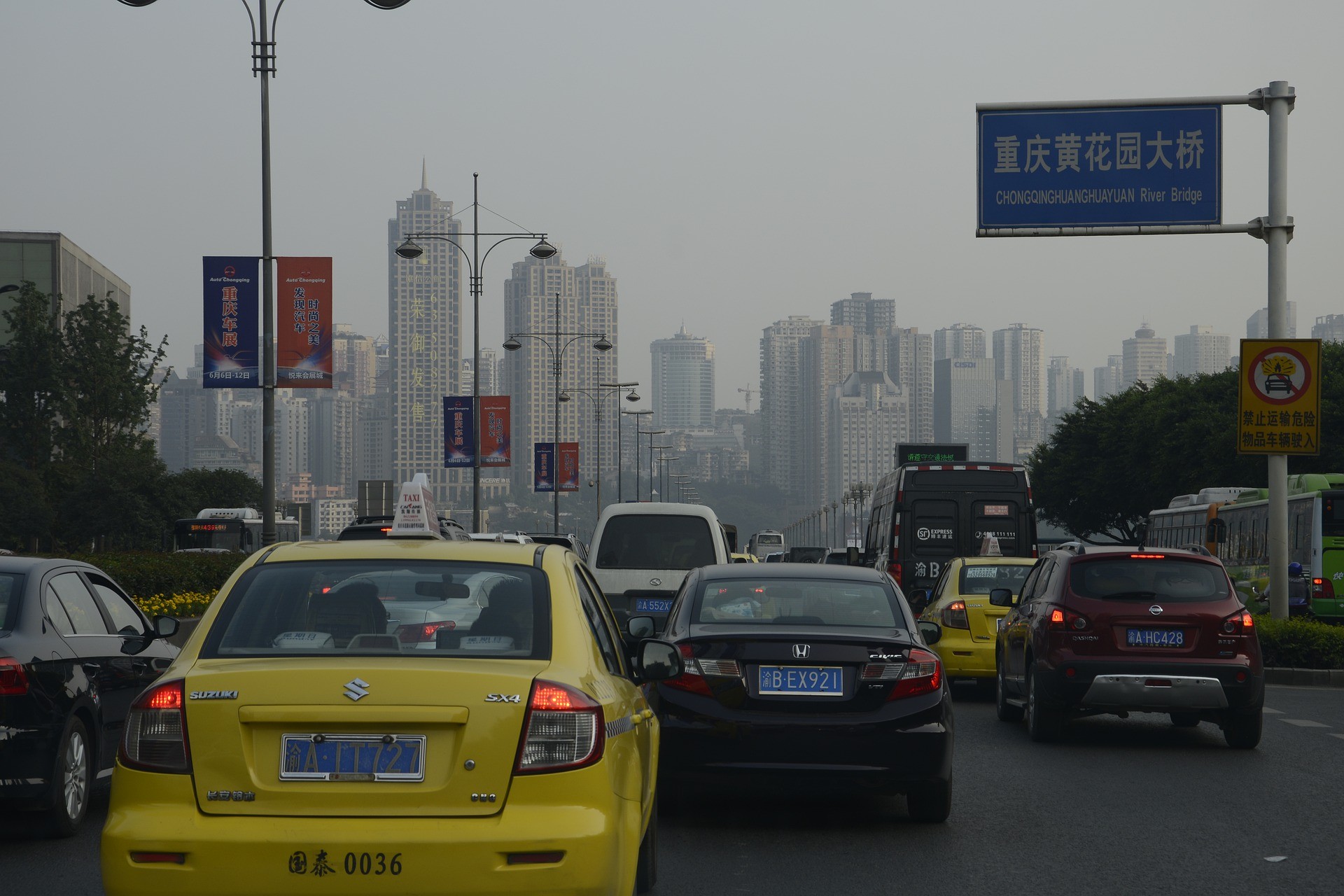
Beyond standard AC and DC charging, Hainan is investing heavily in battery-swapping technology. This model, championed by Chinese manufacturers like NIO, allows drivers to exchange a depleted battery for a fully charged one in under five minutes, mimicking the convenience of a traditional petrol station visit. Furthermore, the provincial capital, Haikou, has been designated as a testing ground for Vehicle-to-Grid (V2G) technology. This bidirectional charging system allows EVs to act as mobile batteries, feeding electricity back into the power grid during peak demand periods. By integrating the automotive fleet into the provincial energy grid, Hainan aims to stabilize power distribution and maximize the use of renewable energy sources like solar and wind, which are abundant on the island.
The National Backdrop: China’s Dominance in the EV Sector
Hainan’s local ambitions are fueled by China’s overarching industrial policy. Over the past decade, Beijing has transformed the nation into the world’s largest market for electric mobility through a combination of massive subsidies, R&D grants, and the development of a localized supply chain. While national aankoopsubsidies (purchase subsidies) were phased out at the end of 2022, they were replaced by a multi-year extension of sales tax exemptions for NEVs, ensuring that electric cars remain price-competitive with their gasoline counterparts.
China’s dominance is not merely in sales but in the entire value chain. The country controls a vast majority of the world’s lithium processing and battery manufacturing capacity, led by giants such as CATL and BYD. This vertical integration allows Chinese provinces like Hainan to implement aggressive targets with the confidence that the domestic industry can meet the surge in demand. Nationally, the figures are telling: in June 2024, NEVs accounted for a record 58.5 percent of all new car sales in China, a sharp rise from approximately 40 percent at the start of the year. By the end of 2025, China is projected to have nearly 44 million NEVs on the road, representing roughly 12 percent of the total national vehicle population of 366 million.
Comparative Analysis: Hainan vs. the European Union
The divergence between Hainan’s 2030 target and the European Union’s 2035 target highlights the different socioeconomic pressures facing the two regions. In Europe, the transition is complicated by a deeply entrenched automotive industry that has historically relied on the engineering of internal combustion engines. Countries like Germany and Italy have voiced concerns regarding the impact of a total ban on jobs and the survival of small-to-medium enterprises within the traditional supply chain. Consequently, the EU’s "Fit for 55" package was recently adjusted to allow for vehicles running on synthetic e-fuels after 2035, a move seen by many environmentalists as a dilution of the original goal.
In contrast, Hainan operates within a centralized political system that can mobilize resources rapidly to meet state-defined environmental goals. Furthermore, as an island, Hainan possesses a "closed-loop" geography that is ideal for electrification. The average driving distances are shorter, and the perimeter of the island is well-suited for a ring of high-speed charging stations. While the EU saw a BEV market share of 17.4 percent in 2025—a respectable increase from 13.6 percent in 2024—the pace of growth remains hampered by fragmented infrastructure and higher energy costs across the continent.
Economic and Environmental Implications
The economic rationale for Hainan’s ban extends beyond environmental protection. As a "Free Trade Port," Hainan is looking to attract high-tech industries and sustainable tourism. By mandating a clean energy fleet, the province reduces its reliance on imported petroleum, which must be shipped from the mainland or abroad. This enhances the island’s energy security and reduces the logistical costs associated with fuel transport.

Environmentally, the move is essential for preserving Hainan’s unique ecosystem. Known as the "Hawaii of China," the province relies heavily on its reputation for clean air and pristine beaches to drive its tourism sector. Reducing tailpipe emissions is a direct investment in the province’s primary economic engine. Experts suggest that if Hainan successfully reaches its 45 percent NEV fleet target by 2030, it could result in a significant reduction in nitrogen oxides and particulate matter, potentially setting a gold standard for "green tourism" destinations globally.
Challenges and the Path Forward
Despite the optimistic outlook, Hainan faces several hurdles. The first is the "second-hand market" challenge. As the sale of new ICE vehicles is banned, the value of existing gasoline cars may fluctuate wildly, potentially leaving some consumers with stranded assets. Additionally, the province must ensure that its power grid can handle the massive influx of demand from millions of EVs. This will require significant upgrades to transformers and local distribution networks, particularly in older residential areas where high-voltage charging is currently unsupported.
Furthermore, the 2030 ban focuses on new sales. The legacy fleet of ICE vehicles will likely remain on the road for another decade or more. To address this, the provincial government is considering "scrappage schemes" and higher registration taxes for older, high-emission vehicles to encourage owners to switch to NEVs sooner than the natural replacement cycle would dictate.
Conclusion and Global Impact
Hainan’s 2030 ban is a clarion call to the global automotive industry. It signals that the transition to electric mobility is not just a Western phenomenon but a central pillar of China’s regional and national development. As Hainan builds out its V2G networks and battery-swapping hubs, it will provide invaluable data on how a fully electrified society operates in a tropical climate.
For global automakers, the message is clear: the window for internal combustion engines is closing faster in the East than in the West. Companies that fail to pivot their portfolios toward high-performance, cost-effective electric vehicles risk being locked out of one of the most progressive and fastest-growing regional markets in the world. As 2030 approaches, all eyes will be on this Chinese island to see if a combination of strict mandates and robust infrastructure can indeed create a post-gasoline reality.
Related posts: