The Science and Evolution of LED Phototherapy Exploring the Emerging Role of Green Light in Modern Skincare

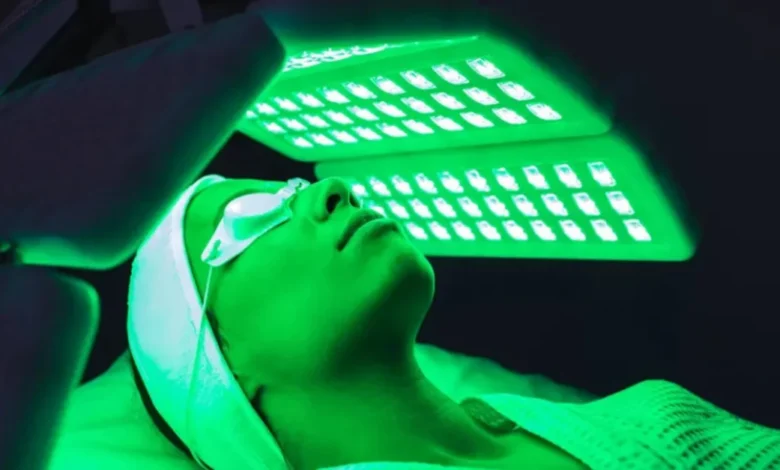
LED phototherapy, once a specialized treatment confined to the sterile environments of dermatological clinics and high-end aesthetic institutes, has undergone a significant democratization over the past decade. The technology, which utilizes specific wavelengths of light to trigger natural intracellular biochemical reactions, has transitioned from a professional-grade medical intervention to a staple of the "at-home" skincare routine. While red and blue light therapies have long dominated the market due to their established efficacy in anti-aging and acne management, a new contender has recently emerged at the forefront of the beauty-tech industry: green light therapy. This shift represents more than just a passing trend; it reflects a growing consumer demand for non-invasive, drug-free, and preventative skincare solutions that can be integrated into daily life with minimal risk of adverse effects.
The proliferation of LED masks and handheld devices has been fueled by a combination of technological advancement and a shift in consumer behavior toward "pro-aging" and holistic wellness. As these devices become increasingly accessible, questions regarding their clinical efficacy, specifically concerning the newer green light spectrum, have become a focal point for both dermatologists and skincare enthusiasts. The mechanism behind LED (Light Emitting Diode) therapy, scientifically known as photobiomodulation, relies on the skin’s ability to absorb light energy and convert it into cellular fuel. However, the depth of penetration and the subsequent biological response are entirely dependent on the wavelength of the light, measured in nanometers (nm).
The Physics of Photobiomodulation and the Color Spectrum
To understand the potential benefits of green light, it is essential to first establish the scientific framework of LED phototherapy. Light is composed of photons that travel at varying wavelengths. In the context of skincare, the most commonly utilized wavelengths range from approximately 400 nm (blue) to over 800 nm (near-infrared). The general rule of optical physics in human tissue is that longer wavelengths penetrate deeper into the skin’s architecture.
Blue light, typically oscillating between 405 and 470 nm, has a short wavelength and high energy. It primarily targets the epidermis, the skin’s outermost layer. Its primary clinical application is the treatment of acne vulgaris. Dr. Thomas Maselis, a prominent Belgian dermatologist and president of Euromelanoma, explains that blue light acts as a potent antibacterial agent. It targets Propionibacterium acnes, the bacteria responsible for acne breakouts, by reacting with porphyrins—compounds produced by the bacteria. This reaction generates reactive oxygen species that destroy the bacteria from within, thereby reducing inflammation and preventing future lesions without the need for topical or systemic antibiotics.
Red light, ranging from 620 to 700 nm, travels much deeper into the dermis. This is the layer where collagen and elastin—the proteins responsible for skin firmness and elasticity—are synthesized. Red light is widely recognized for its ability to stimulate fibroblasts, the cells that produce collagen. Beyond its aesthetic applications, red light is utilized in medical settings to accelerate wound healing, reduce redness (erythema), and calm inflammation. Dr. Maselis notes that the benefits of red light extend even further, showing promising results in muscle recovery and the regeneration of subcutaneous nerve tissue.
Near-infrared light (NIR), which sits just beyond the visible spectrum at 800 nm and above, offers the deepest penetration of all. While often marketed for its "rejuvenating" properties, its primary medical utility lies in pain management and deep-tissue repair. It reaches the muscles and even bone structures, promoting circulation and reducing chronic inflammation.
The Emergence of Green Light Therapy
Green light, which occupies the middle of the visible spectrum at approximately 520 to 550 nm, represents the latest frontier in phototherapy. Because its wavelength is longer than blue but shorter than red, it focuses its energy on the lower levels of the epidermis and the upper layers of the dermis. The primary claim associated with green light is its ability to treat hyperpigmentation, including sunspots, age spots, and melasma.
The biological theory behind green light’s efficacy involves the regulation of melanocytes, the cells responsible for producing melanin, the pigment that gives skin its color. According to Dr. Maselis, green light is believed to inhibit the transformation of tyrosine—an amino acid—into eumelanin. By slowing down this enzymatic process, the light may prevent the overproduction of pigment and help break up existing clusters of melanin, leading to a more even and radiant skin tone.
However, despite the growing popularity of green light in consumer devices, the dermatological community remains cautiously optimistic. Dr. Maselis emphasizes that while the theory is sound, the scientific community currently lacks the robust, large-scale clinical trials required to definitively prove these effects. "To date, we do not yet have scientific studies that truly demonstrate this effect in a clinical setting," Maselis states. "For now, it remains largely a theoretical benefit." This lack of clinical validation is why green light is rarely used as a standalone medical treatment in professional dermatological practices, though it is frequently included as a complementary mode in multi-spectrum consumer devices.
Historical Timeline and Technological Evolution
The journey of LED therapy from NASA laboratories to the bathroom vanity is a testament to the evolution of medical technology. In the 1990s, NASA began experimenting with LEDs to promote plant growth in space and later discovered that the light helped heal wounds in astronauts whose cellular regeneration was slowed by microgravity. This discovery sparked a surge in medical research throughout the early 2000s, leading to the FDA clearance of various LED devices for the treatment of chronic pain and skin conditions.
By the mid-2010s, the technology had miniaturized enough to allow for the creation of portable devices. The "beauty-tech" boom of 2020, accelerated by the global pandemic and the closure of professional salons, saw a massive influx of LED masks into the mainstream market. Today, the global LED light therapy market is projected to grow at a compound annual growth rate (CAGR) of over 15% through 2030, driven by innovations in wearable technology and an increasing focus on "pre-juvenation" among younger demographics.
Market Data and Consumer Considerations
The surge in at-home LED usage is backed by significant market data. According to industry reports, the global beauty device market was valued at approximately $55 billion in 2022 and is expected to exceed $140 billion by 2030. LED masks represent one of the fastest-growing segments within this category. Consumers are increasingly favoring these devices because they offer a one-time investment compared to the recurring costs of professional facials, which can range from $150 to $500 per session.
However, the efficacy of at-home devices varies significantly compared to professional equipment. Professional LED panels used by dermatologists typically have a much higher "irradiance"—the amount of energy delivered to the skin per second. Consumer masks are often lower in power for safety reasons, meaning users must be consistent and patient to see results. Dr. Maselis points out that the quantity of pigment in an individual’s skin also dictates the treatment’s success. Melanin naturally absorbs light; therefore, individuals with darker skin tones may find that their skin heats up more quickly, potentially limiting the depth of light penetration as the surface pigment absorbs the energy before it can reach deeper layers.
Safety Protocols and Contraindications
While LED therapy is generally considered safe and non-invasive, it is not without risks, particularly for certain populations. The primary concern is ocular safety. Most high-quality LED masks include built-in goggles or eye shields to protect the retinas from intense light exposure. Prolonged exposure to certain wavelengths, particularly blue light, can potentially cause damage to the eyes if proper protection is not used.
Furthermore, there are several contraindications that users must be aware of:
- Photosensitivity: Individuals with conditions that make them sensitive to light, such as lupus or certain types of eczema, should avoid LED therapy.
- Medication: Certain medications, including some antibiotics (like tetracycline), isotretinoin (Accutane), and certain diuretics, can increase photosensitivity and lead to skin burns or rashes when combined with LED light.
- Medical Conditions: Patients suffering from epilepsy, migraines triggered by light, or certain eye diseases should consult a medical professional before starting treatment.
- Consistency and Quality: Dr. Maselis stresses that results are not immediate. "Results take time. You have to repeat the treatment very regularly," he notes. Additionally, the market is flooded with low-quality imitations that may not emit the correct wavelengths, rendering them useless or potentially harmful.
Broader Implications for the Skincare Industry
The rise of green light and the continued dominance of LED therapy signify a broader shift in the skincare industry toward "biohacking"—the practice of using science and technology to optimize biological functions. As consumers become more educated about the cellular mechanisms of their skin, the demand for data-driven, evidence-based tools will only increase.
For the professional dermatological community, the rise of at-home LED devices presents both a challenge and an opportunity. While these devices allow patients to maintain their skin health between office visits, they also require dermatologists to take on a more educational role, guiding patients through the noise of marketing claims. The case of green light therapy serves as a perfect example of this dynamic: a promising technology with strong theoretical foundations that still awaits the "gold standard" of clinical proof.
As research continues, it is likely that the protocols for green light therapy will become more refined. Future studies may determine the exact dosage and irradiance needed to effectively treat melasma and other pigmentary disorders. Until then, the integration of green light into the wider spectrum of LED therapy remains a compelling, albeit emerging, tool in the quest for healthy, balanced skin. The evolution of this technology suggests that the future of skincare lies not just in what we apply to our skin, but in how we use the power of light to influence the very cells beneath the surface.