The Rise of Artisanal Spanish Fashion and the Strategic Shift Toward Sustainable Local Production Models

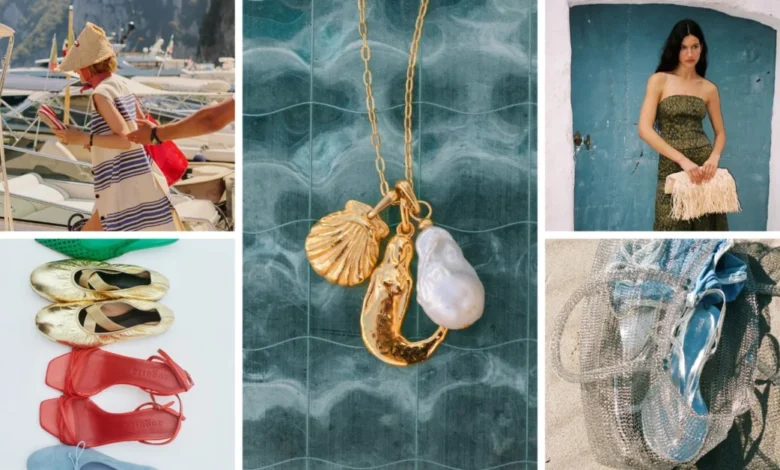
The Spanish fashion landscape is undergoing a profound transformation as a new generation of designers and established heritage houses pivot away from the mass-production models that dominated the early 21st century toward a more deliberate, artisanal approach. This shift, characterized by a return to local craftsmanship, the use of deadstock materials, and a commitment to on-demand manufacturing, represents a significant evolution in the European textile sector. As global consumers increasingly prioritize transparency and environmental stewardship, Spanish labels are positioning themselves at the intersection of traditional Mediterranean aesthetics and modern sustainability. The emergence of brands such as Tantodramma, Niutt, Simorra, Romualda, Alhaja, Bohodot, and RÓuri illustrates a broader economic and cultural trend that emphasizes quality, local heritage, and the preservation of regional craft techniques.
The Historical Context of the Spanish Textile Industry
To understand the current resurgence of artisanal fashion in Spain, it is necessary to examine the country’s industrial history. For decades, Spain has been a global leader in fashion, primarily due to the meteoric rise of the Inditex Group and the establishment of "fast fashion" as a dominant retail force. However, the legacy of Spanish fashion is rooted in a much older tradition of high-end tailoring and textile production, particularly in regions like Catalonia and Madrid. In the mid-20th century, Spanish couturiers like Cristóbal Balenciaga set global standards for structural elegance and craftsmanship.
The contemporary "Slow Fashion" movement in Spain is, in many ways, a reclamation of this heritage. Following the economic fluctuations of the last decade and a growing awareness of the environmental impact of the fashion industry—which is responsible for approximately 10% of global carbon emissions—Spanish designers are increasingly looking backward to move forward. By utilizing local workshops in Asturias, Barcelona, and Madrid, these brands are not only reducing their carbon footprints but are also revitalizing local economies that had been sidelined by globalized manufacturing chains.
The On-Demand and Deadstock Revolution
The modern consumer’s demand for exclusivity and ethical production has given rise to a "handmade and on-request" business model. This approach is epitomized by brands like Tantodramma, which focuses on highly creative jewelry characterized by intricate beadwork and customizable charms. By operating on an on-demand basis, the brand eliminates the risk of overproduction—a primary driver of waste in the fashion industry. This model ensures that every piece created has a predetermined owner, aligning production directly with consumption.
Similarly, the brand Niutt, founded in 2019 by designer Claudia Parras, has integrated the use of deadstock fabrics into its core business strategy. Deadstock refers to the leftover fabrics from other fashion houses or textile mills that would otherwise be destined for landfills. Working from a small atelier in Madrid, Parras produces garments that respect the "rhythm of the seasons," a stark contrast to the weekly inventory refreshes of mass-market retailers. The use of deadstock means that many of Niutt’s pieces are inherently limited editions or one-of-a-kind, providing a level of rarity that appeals to the "nostalgia-meets-now" aesthetic. Analysts suggest that this focus on textile craft and local production is a strategic response to the increasing homogenization of global fashion.
Heritage, Emotion, and the Artistic Narrative
While new labels are defining the future, heritage brands are evolving to maintain relevance through storytelling and artistic collaboration. Simorra, a label established in 1978 by Javier Simorra, serves as a bridge between the classic couture traditions of Barcelona and contemporary emotional design. Simorra’s father was a renowned couturier with a passion for the opera, an influence that remains visible in the brand’s philosophical approach to textiles.
Under current leadership, Simorra treats fabric as a medium for emotional expression, often incorporating hand-woven "sculptures" and collaborating with visual artists. This elevates the garment from a mere commodity to a narrative object. In the broader context of the industry, this trend reflects a shift toward "emotional durability"—the idea that if a consumer feels a deep connection to the story and artistry of a garment, they are more likely to keep and repair it rather than discard it. This is a critical component of the circular economy, where the longevity of a product is as important as its initial production.
Ecological Innovation and Regional Craftsmanship
The integration of fine arts and fashion is further exemplified by the Madrid-based brand Romualda. Founded in late 2019 by sisters Cristina and Mariana Aguirre—a painter and an object designer, respectively—the brand focuses on the use of natural pigments and eco-friendly materials like organic cotton and silk. Their production process is geographically specific, with their signature hats being manufactured in traditional workshops in Asturias, Northern Spain.
The decision to use natural pigments is a technical challenge that addresses the chemical pollution often associated with textile dyeing. By applying Cristina’s hand-designed motifs to flowing prêt-à-porter silhouettes, Romualda bridges the gap between wearable art and sustainable fashion. This regional focus is also seen in Alhaja, a brand founded by María and Irene in 2019. The name "Alhaja," which has Arabic roots and refers to a "valuable object," signifies the brand’s commitment to creating jewelry that serves as a lifelong heirloom. By drawing inspiration from folklore and the natural world, Alhaja promotes a "quality over quantity" consumption model that supports the local Spanish economy while utilizing natural, durable materials.
The Mediterranean Aesthetic and Celebrity Influence
The global appeal of Spanish fashion is often tied to the "Mediterranean aesthetic"—a style characterized by effortless elegance, natural fibers, and a relaxed, sun-drenched palette. Bohodot, founded in 2012 by the mother-daughter duo Peque and Cris, has successfully commercialized this aesthetic through its line of swimwear and loungewear. By maintaining a 100% local production chain and working exclusively with Spanish suppliers, Bohodot ensures that its "Pinterest-perfect" summer styles are produced under ethical labor conditions.
The rise of these niche Spanish brands has not gone unnoticed by international tastemakers. RÓuri, a brand that champions a minimalist aesthetic using noble materials such as cotton and linen, has seen its profile rise significantly after being championed by style icons like Kelly Rutherford. The brand’s focus on neutral colors and "ultra-romantic" cuts aligns with the "Quiet Luxury" trend that has dominated fashion cycles in 2023 and 2024. The endorsement by high-profile figures serves as a powerful validation of the Spanish artisanal model, proving that local, sustainable production can compete on a global stage.
Economic Implications and Industry Outlook
The growth of these brands is supported by data indicating a shift in the Spanish textile sector. According to reports from the Spanish Federation of Clothing Enterprises (FEDECON), there has been a notable increase in the number of small-to-medium enterprises (SMEs) focusing on sustainable and local manufacturing. While the volume of production is lower than that of industrial giants, the value-add of these artisanal products is significantly higher.
The broader implications of this trend are twofold. Environmentally, the move toward on-demand production and deadstock utilization offers a viable blueprint for reducing the industry’s ecological footprint. Economically, the revival of local ateliers helps preserve specialized skills—such as traditional hat-making in Asturias or leatherwork in Andalusia—that were at risk of being lost to automation and outsourcing.
Furthermore, the success of these brands suggests that the "Made in Spain" label is undergoing a rebranding. It is no longer just associated with fast-fashion efficiency, but with high-quality, ethically produced, and artistically driven design. This shift is likely to attract further investment into the Spanish creative economy and encourage more young designers to adopt slow-fashion principles from the outset.
Conclusion
The evolution of Tantodramma, Niutt, Simorra, Romualda, Alhaja, Bohodot, and RÓuri represents more than just a passing trend in the fashion industry; it is a fundamental realignment of how clothing and accessories are conceived, produced, and consumed. By prioritizing local craftsmanship, environmental integrity, and artistic storytelling, these Spanish brands are setting a new standard for the European fashion market. As the industry continues to grapple with the challenges of climate change and shifting consumer values, the Spanish model of "slow, local, and artisanal" provides a compelling path forward for a more sustainable and culturally rich future in fashion. The success of these labels confirms that in the modern era, the most "valuable objects" are those that carry a soul, a story, and a respect for the world in which they are created.