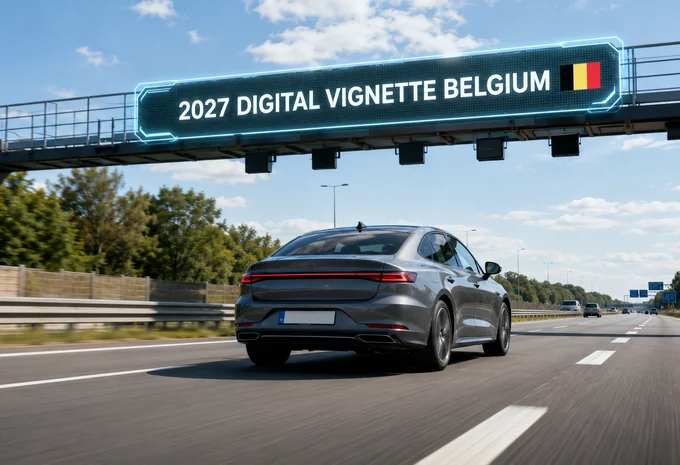
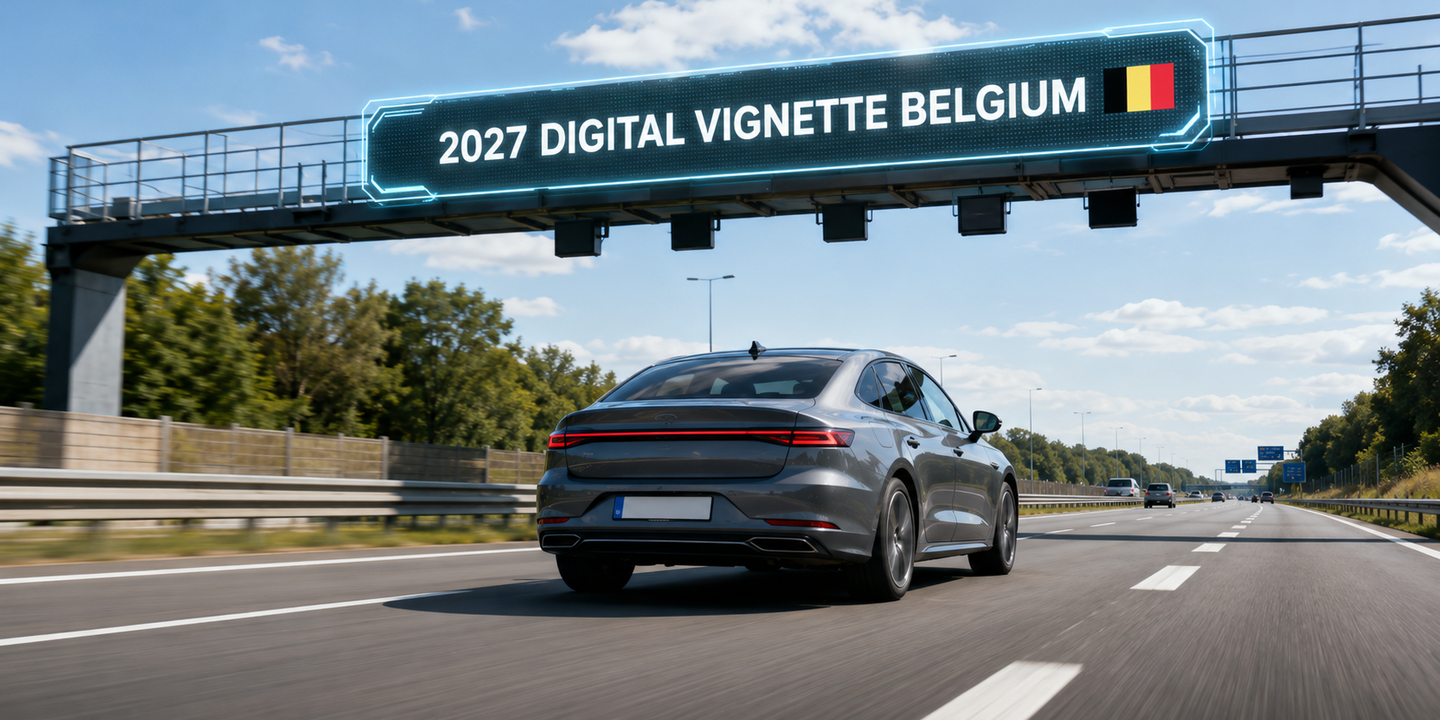
The Belgian government, in a coordinated effort across its three primary regions, has officially announced the introduction of a mandatory digital road vignette for all vehicles weighing up to 3.5 tons, scheduled to take effect on May 1, 2027. This landmark decision marks a significant shift in Belgium’s infrastructure financing model, transitioning from a system funded almost exclusively by resident taxpayers to a "user pays" principle that encompasses the millions of foreign transit vehicles that traverse the country’s dense motorway network annually.
For decades, Belgium has occupied a unique and somewhat taxing position as the logistical crossroads of Western Europe. Its highways are among the most heavily utilized on the continent, serving as vital arteries for freight and passenger travel between the United Kingdom, France, Germany, and the Netherlands. However, this high volume of traffic has led to accelerated wear and tear on the asphalt, creating a financial burden for road maintenance that has historically fallen on Belgian citizens through general taxation. By implementing this new vignette, the Belgian authorities aim to redistribute these costs, ensuring that all road users—regardless of their country of origin—contribute to the upkeep of the infrastructure they utilize.
A Unified Digital Framework for a Divided Geography
One of the most critical aspects of the 2027 plan is the high level of cooperation between the regional governments of Flanders, Wallonia, and the Brussels-Capital Region. While Belgium is known for its complex federal structure and regional administrative differences, the three entities have agreed to a single, unified digital system. This means that motorists will not be required to purchase separate permits for different parts of the country. A single registration will grant access to all highways and regional roads across the entire Belgian territory.
The system will be entirely digital, moving away from the traditional physical adhesive stickers used in countries like Switzerland or Austria. Instead, the vignette will be linked directly to the vehicle’s license plate number. Enforcement will be handled through an extensive network of Automatic Number Plate Recognition (ANPR) cameras already positioned along major transit routes. This modernization is intended to streamline the process for drivers, who can register their vehicles via an official website or through authorized partners starting March 1, 2027, exactly two months before the mandate begins.
The Scope of the Mandate: Who Must Pay?
The new regulation applies to all motor vehicles with at least four wheels and a maximum authorized mass (MAM) of 3.5 tons or less. This category includes standard passenger cars, SUVs, light commercial vans, and motorhomes. Importantly, the mandate extends to both domestic and foreign-registered vehicles.
Drivers who exclusively use local or municipal roads will be exempt from the requirement. The vignette is specifically required for the use of "structured" roads, which include all motorways (E-roads) and major regional highways (N-roads). For heavy goods vehicles (HGVs) exceeding 3.5 tons, the existing "Viapass" kilometer-based charging system will remain in place. The new vignette is designed to fill the gap in the current fiscal framework, which currently allows light vehicles to use the national network free of charge at the point of use.
Regional Fiscal Adjustments and Compensation
While the vignette itself is a unified national requirement, the way it interacts with existing vehicle taxes will vary significantly by region. Because motor vehicle taxation is a regional competency in Belgium, each government has devised its own strategy to handle the introduction of the new fee for its residents.
In Flanders, the introduction of the vignette is being integrated into a broader reform of the annual road tax. Starting in 2027, Flanders intends to shift the tax burden for newly registered vehicles toward a model that prioritizes vehicle weight and CO2 emissions. For Flemish residents, the cost of the vignette will essentially be "packaged" into a revised fiscal structure, though the exact mechanics of this integration are still being finalized.
Wallonia has taken a more direct stance on fiscal neutrality. The Walloon government has pledged that the introduction of the vignette should not result in a net tax increase for its residents. To achieve this, Wallonia plans to reduce existing road taxes by an amount equivalent to the cost of the vignette. This ensures that while foreign drivers provide a new stream of revenue for the region, local drivers are not double-taxed.
The Brussels-Capital Region, meanwhile, faces a more complex situation. As the metropolitan heart of the country, Brussels deals with massive daily commuter influxes. While the city-region will participate in the unified vignette system, it has not yet detailed its specific compensatory measures for residents. Furthermore, officials have clarified that the road vignette is entirely separate from the Brussels Low Emission Zone (LEZ) requirements. Having a valid road vignette does not grant an older, high-emission vehicle the right to enter the LEZ; both sets of regulations must be followed independently.
Estimated Costs and Economic Justification
While the definitive price points are subject to final legislative approval, preliminary data suggests a tiered pricing structure based on the duration of validity and potentially the environmental footprint of the vehicle. According to early projections and information from industry observers like BelgiumVignette.be, an annual vignette is expected to cost between €90 and €125.
For tourists and short-term visitors, more affordable options will be available. Short-term vignettes—valid for 10 days or one month—are expected to start at approximately €9. These prices are comparable to those found in other European nations. For instance, Austria’s 2024 annual vignette for cars is priced at approximately €96, while Switzerland charges 40 CHF (roughly €42) for an annual sticker. Belgium’s proposed pricing reflects the high maintenance costs of its extremely dense and illuminated road network.
The economic justification for the vignette is rooted in the "Eurovignette" Directive of the European Union. EU law dictates that if a member state chooses to charge foreign drivers for road use, it must do so in a non-discriminatory manner. This means that if a country wants to collect revenue from German, Dutch, or French tourists, it must also apply a similar charge to its own citizens. To avoid an unfair burden on locals, the Belgian regions are using the aforementioned tax compensations to ensure the "extra" revenue comes primarily from the millions of transit vehicles that currently pay nothing into the Belgian treasury.
A Timeline of Implementation
The road to 2027 follows a strict chronology designed to allow for technical testing and public awareness:
- 2024–2025: Finalization of the legal framework and inter-regional agreements. Procurement of the digital infrastructure and backend software for plate registration.
- 2026: Installation of additional ANPR camera infrastructure and testing of the database systems.
- March 1, 2027: Launch of the official registration portal and mobile applications. Sales begin for both domestic and foreign users.
- May 1, 2027: Full enforcement begins. Vehicles found on motorways without a registered license plate will be subject to significant administrative fines.
Historical Context and Previous Attempts
This is not Belgium’s first attempt at introducing a road vignette. Discussions regarding a "Vignette" have surfaced periodically over the last two decades, most notably in 2011 and 2013. Previous attempts were often derailed by political disagreements between the regions or concerns over EU legal challenges regarding discrimination against foreign drivers.
The failure of Germany’s planned "Maut" (toll) for passenger cars in 2019 served as a cautionary tale for Belgian policymakers. The European Court of Justice ruled that the German plan was discriminatory because the tax relief for German residents was tied too directly and exclusively to the road charge. Learning from this, the Belgian regions are framing their tax reforms as broader environmental and structural shifts rather than a simple 1-to-1 refund of the vignette cost, thereby increasing the likelihood of surviving legal scrutiny at the European level.
Implications for Tourism and Logistics
The introduction of the vignette will undoubtedly have implications for the tourism sector and cross-border workers. With thousands of people commuting daily from northern France, southern Netherlands, and western Germany into Belgian cities like Brussels, Antwerp, and Liège, the digital registration process must be seamless to avoid economic friction.
Logistics experts suggest that while the cost for individual passenger cars is relatively low, the cumulative effect of various European vignettes is becoming a significant consideration for travelers. However, for the Belgian state, the potential revenue is substantial. Conservative estimates suggest that the vignette could generate hundreds of millions of euros annually, which are earmarked for the modernization of the road network, the improvement of road safety, and potentially the subsidization of greener transport alternatives.
Conclusion and Future Outlook
The 2027 digital road vignette represents a pivotal moment in Belgian transport policy. By embracing a digital-first approach and coordinating across regional borders, Belgium is aligning itself with a growing European trend toward direct user-financing of infrastructure. While the transition will require significant administrative effort and public adjustment, the promise of a more equitably funded and better-maintained road network remains the primary goal.
As the 2027 deadline approaches, motorists are advised to stay informed through official government channels. While the digital registration portal is not yet active, the clear message from the Belgian authorities is that the era of "free" transit through the heart of Europe is coming to a close, replaced by a system where those who use the roads are the ones who pay for their preservation.
Related posts: