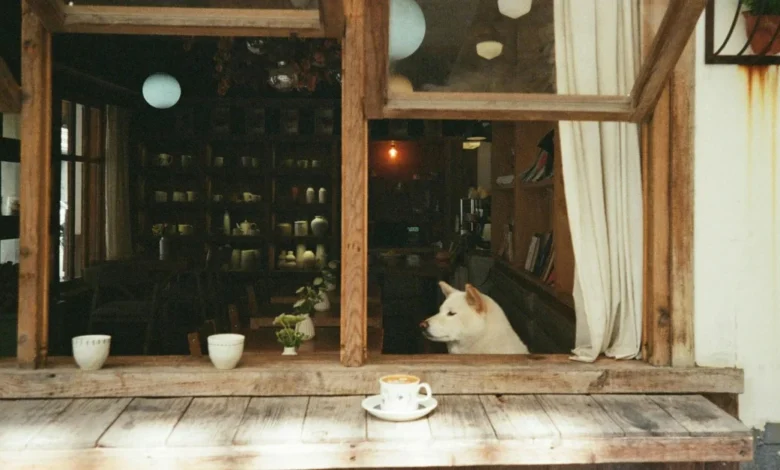
The modern urban landscape is undergoing a significant transformation as the traditional boundaries between domestic life and public social spaces continue to blur. In the city of Liège, Belgium, this shift is most visible in the burgeoning "dog-friendly" movement within the hospitality sector. No longer confined to the home or the local park, canine companions are increasingly being welcomed into the heart of the city’s specialty coffee scene. This evolution reflects a broader sociological trend across Western Europe, where pets are increasingly viewed as integral family members, and their presence in commercial establishments is seen as a hallmark of a welcoming, community-oriented atmosphere. As the demand for inclusive spaces grows, five specific establishments in Liège—Grain, Constantin Café, Le Mog Café, Balio, and Cafés Ubuntu—have emerged as leaders in this niche, balancing high-quality gastronomic offerings with a commitment to pet-friendly environments.
The Socioeconomic Context of Pet-Friendly Commerce in Belgium
The rise of dog-friendly cafes in Liège is not an isolated phenomenon but rather a response to shifting demographics and consumer behavior. According to data from the European Pet Food Industry Federation (FEDIAF), Belgium has one of the highest rates of pet ownership in Europe, with approximately 24% of households owning at least one dog. This represents a significant consumer demographic that seeks to integrate their pets into their daily routines, including social outings and dining.
For business owners, the decision to become "dog-friendly" is increasingly driven by economic pragmatism. Market research suggests that pet owners are more likely to frequent establishments where their dogs are welcome, often staying longer and spending more per visit than customers without pets. Furthermore, the "humanization" of pets—a trend where owners treat their animals with the same care and consideration as children—has led to a demand for premium experiences that cater to both the human and the animal. In Liège, this has translated into a specialized market where cafes provide water bowls, treats, and dedicated seating areas for "four-legged customers," thereby fostering brand loyalty and a distinct competitive advantage.
A Chronological Shift: From Traditional Brasseries to Specialty Coffee Hubs
The history of Liège’s cafe culture has traditionally been rooted in the "brasserie" model—establishments serving beer, coffee, and hearty meals in a rustic, often crowded setting. While dogs were occasionally tolerated on outdoor terraces, indoor access was frequently restricted due to space constraints and rigid hygiene perceptions.
The timeline of the current shift began in the early 2010s with the arrival of "third-wave" coffee culture. This movement emphasized the provenance of the bean, the precision of the roast, and the craftsmanship of the barista. As these new, modern cafes opened in renovated urban spaces, they brought with them a more progressive philosophy regarding social inclusivity. By 2018, the trend had solidified, with several high-profile openings in the city center specifically advertising their pet-friendly status. The post-pandemic period of 2021-2023 saw an even sharper increase in this demand, as the "puppy boom" during lockdowns resulted in a new generation of dog owners eager to explore the city with their pets.
Grain: A Fusion of Minimalism and Specialty Roasts
Located at Rue Saint-Rémy 14, Grain has established itself as a cornerstone of the Liège specialty coffee scene. The establishment operates on a philosophy of curiosity and rotation, ensuring that the coffee experience never becomes "automatic." Grain’s approach to hospitality is defined by its partnership with renowned roasters, most notably Mok, a celebrated Brussels-based roastery known for its ethical sourcing and light-roast profiles.
For dog owners, Grain offers a minimalist, calm environment that is particularly suitable for pets that may be overwhelmed by high-decibel environments. The layout allows for ample space between tables, reducing the likelihood of territorial conflicts between dogs. The staff at Grain are noted for their professional yet warm reception of pets, often providing fresh water without being prompted. This level of service reflects a broader trend in the industry where pet-friendly policies are integrated into the core service model rather than being treated as an afterthought.
Constantin Café: Preserving Heritage in the Historic District
In the heart of Liège’s historic center, at Rue des Mineurs 21, Constantin Café represents a bridge between the city’s architectural past and its modern culinary present. Situated near the famous Montagne de Bueren, the cafe serves as a vital resting point for locals and tourists alike. Constantin Café sources its beans from Wide Awake, a specialty roastery based in Brussels that is famous for its bold branding and complex flavor profiles.
The inclusion of dogs at Constantin Café is a nod to the neighborhood’s residential character. The historic district is home to many pet owners who frequent the cafe as part of their daily walks. By allowing dogs inside, Constantin Café has successfully positioned itself as a "neighborhood hub," a designation that is increasingly valuable in the age of digital commerce. The aesthetic appeal of the cafe, with its carefully curated interior, also caters to the "lifestyle" segment of the market, where the presence of a well-behaved dog adds to the cozy, aspirational atmosphere sought by modern consumers.
Le Mog Café: The Art of the In-House Roastery
Le Mog Café, situated at Rue Pont d’Île 25, differentiates itself through its commitment to the technical aspects of coffee production. Unlike many competitors that source roasted beans, Le Mog functions as a micro-roastery, processing beans on-site. This allows for a high degree of control over the flavor profile and ensures maximum freshness.
The environment at Le Mog is characterized by the rich aroma of roasting coffee and a vibrant, bustling energy. Despite the technical nature of the business, the cafe maintains a strictly dog-friendly policy. The presence of pets in a space dedicated to artisanal production highlights the evolving nature of food safety regulations in Belgium. Under the guidelines of the Federal Agency for the Safety of the Food Chain (AFSCA), dogs are permitted in areas where food is consumed, provided the establishment owner grants permission and hygiene standards are maintained. Le Mog’s ability to balance a production facility with a pet-friendly seating area is a testament to modern management practices in the hospitality industry.
Balio: Culinary Diversity and Visual Appeal
At Rue Cathédrale 56, Balio has captured a younger demographic through its focus on "Instagrammable" aesthetics and a diverse menu that goes beyond traditional coffee. While their coffee selection is rigorous, Balio is equally famous for its generous lunch options, particularly its signature pancakes and colorful, innovative beverages.
The "brunch culture" represented by Balio is inherently social, often involving long weekend gatherings. For many residents of Liège, these gatherings are incomplete without their dogs. Balio has capitalized on this by creating a warm, inclusive atmosphere where pets are treated as guests of honor. The economic impact of this approach is evident in the cafe’s high occupancy rates during weekends, as pet owners travel from outside the immediate neighborhood to visit an establishment where they know their dogs will be comfortably accommodated.
Cafés Ubuntu: Community and Connection in the Guillemins District
The Guillemins district, transformed by the futuristic Calatrava-designed railway station, is the site of Cafés Ubuntu at Rue Paradis 104. The name "Ubuntu"—a Southern African philosophy meaning "I am because we are"—sets the tone for the establishment’s mission. The cafe focuses on community, sharing, and simplicity, offering a selection of homemade treats and carefully sourced coffees.
Cafés Ubuntu serves a diverse clientele, including commuters, remote workers, and local residents. Its pet-friendly policy is a core component of its community-building efforts. In an increasingly fragmented urban society, spaces like Ubuntu provide a rare opportunity for spontaneous social interaction between strangers, often facilitated by the presence of a dog. This "social lubricant" effect of pets is well-documented in urban sociology, contributing to a sense of safety and belonging in city neighborhoods.
Broader Implications and Urban Analysis
The success of these five cafes in Liège points to a broader shift in urban planning and commercial strategy. As cities become more densely populated, the "third space"—a social environment separate from the two usual social environments of home and the workplace—becomes vital for mental well-being. For dog owners, the ability to access these third spaces with their pets is a significant factor in their quality of life.
From a regulatory perspective, the Belgian model offers an interesting case study. By allowing business owners the autonomy to decide their pet policies, the market has naturally segmented itself. Establishments that choose to be dog-friendly often see an increase in "slow tourism," where visitors explore neighborhoods on foot with their pets, contributing to the local economy in a sustainable way.
However, the trend also presents challenges. Business owners must navigate the balance between pet-friendly policies and the comfort of customers who may have allergies or phobias. The five cafes highlighted in Liège have managed this balance through clear communication, high standards of cleanliness, and the creation of spatial layouts that accommodate both pet owners and those seeking a traditional cafe experience.
In conclusion, the evolution of dog-friendly cafes in Liège is a reflection of a more humane and inclusive approach to urban living. Establishments like Grain, Constantin Café, Le Mog Café, Balio, and Cafés Ubuntu are not merely businesses; they are pioneers of a new social fabric where the "four-legged family member" is recognized as a legitimate participant in the city’s vibrant cultural and gastronomic life. As this trend continues to grow, it is likely that more cities will look to Liège as a model for integrating pet-friendly policies into the modern hospitality landscape.