The Evolution of Coastal Interior Design: Integrating Maritime Serenity into Contemporary Urban and Rural Living

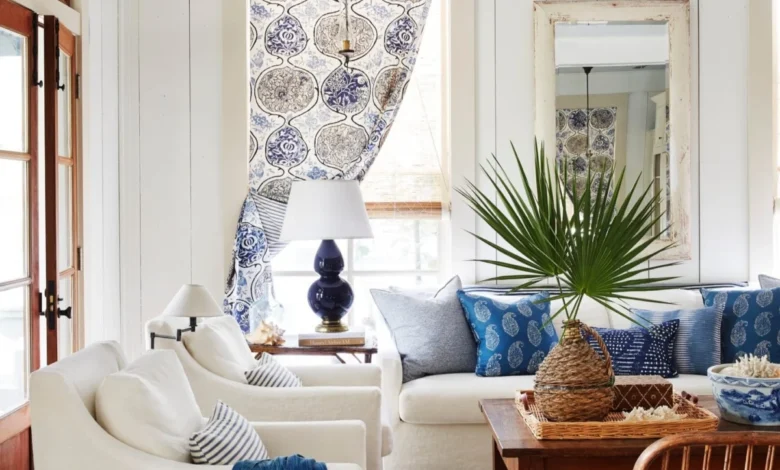
The coastal interior design aesthetic has transitioned from a niche seasonal trend into a comprehensive lifestyle philosophy that prioritizes light, natural materials, and a sense of architectural tranquility. Often misunderstood as a mere collection of maritime motifs, modern coastal design represents a sophisticated approach to biophilic living, aiming to bridge the gap between the built environment and the natural world. This design movement, which emphasizes a "permanent vacation" atmosphere, has gained significant traction in both landlocked urban apartments and sprawling countryside estates, driven by a global shift toward wellness-focused home environments.
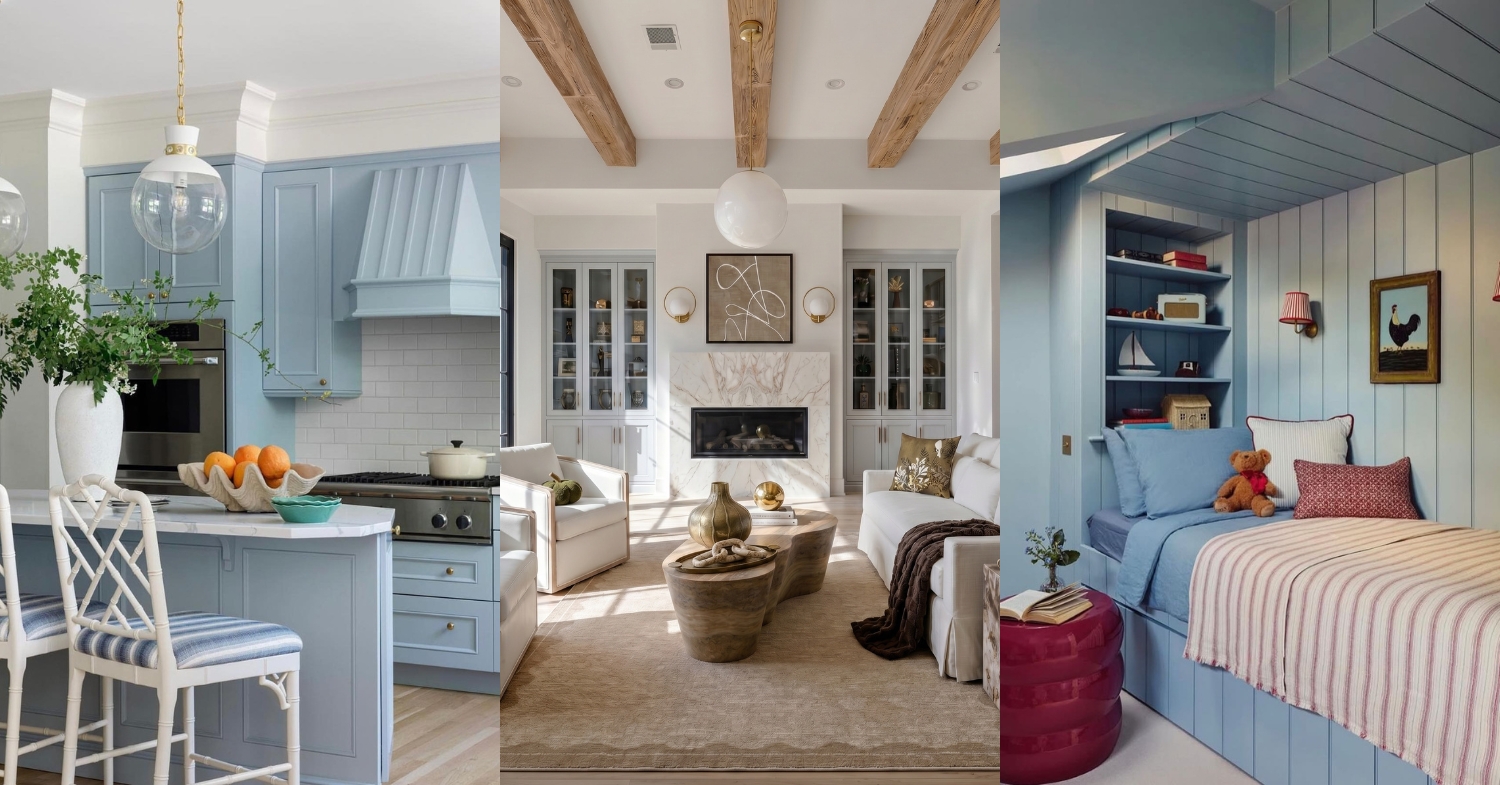
The Architectural Foundation of Coastal Aesthetics
At its core, the coastal style is defined by its ability to make a space feel expansive and relaxed without appearing vacant. Unlike minimalist movements that can occasionally feel sterile, coastal design utilizes "tactile layering" to create warmth. The fundamental palette relies on fresh, light-reflecting hues and organic textures that withstand the rigors of daily use.
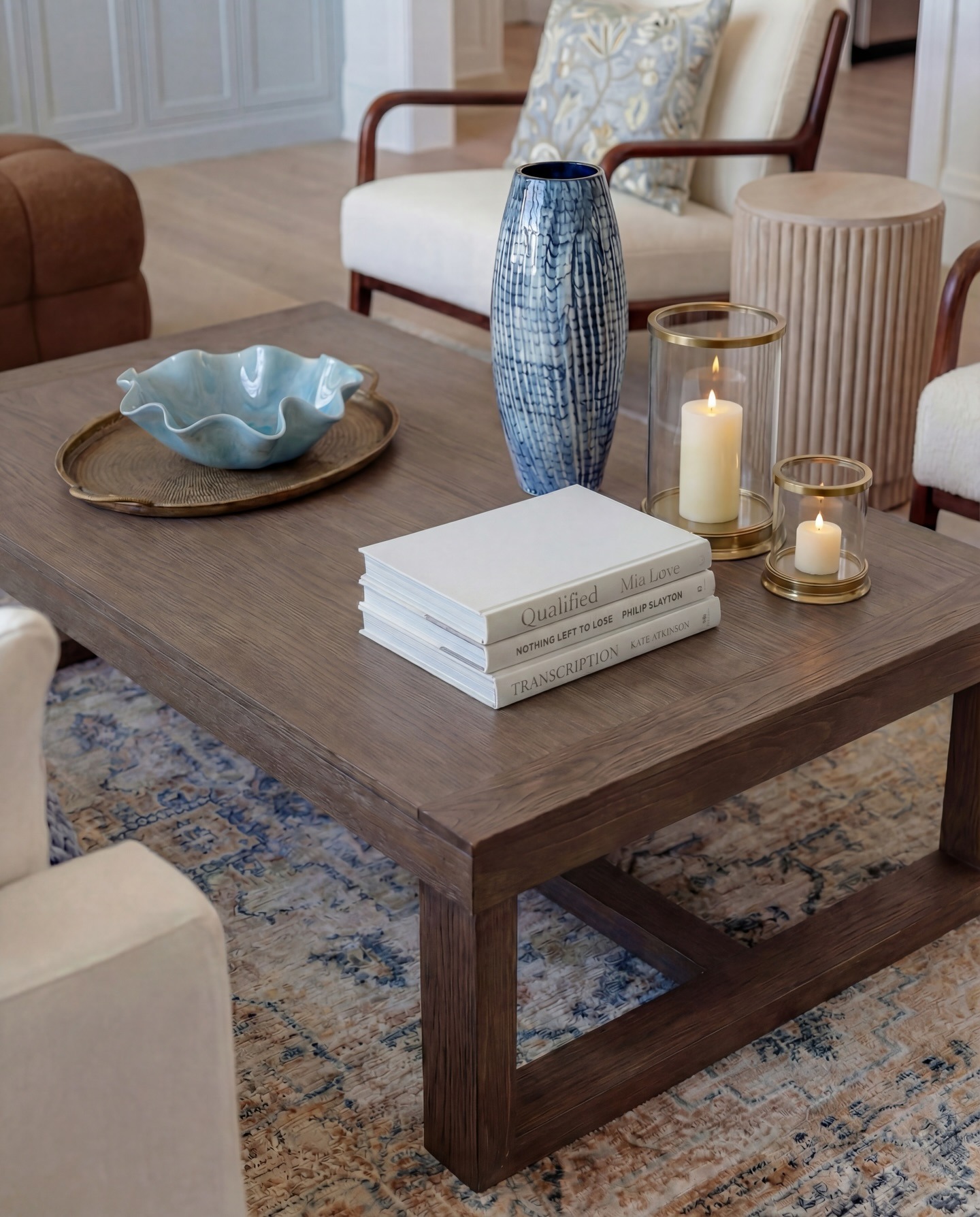
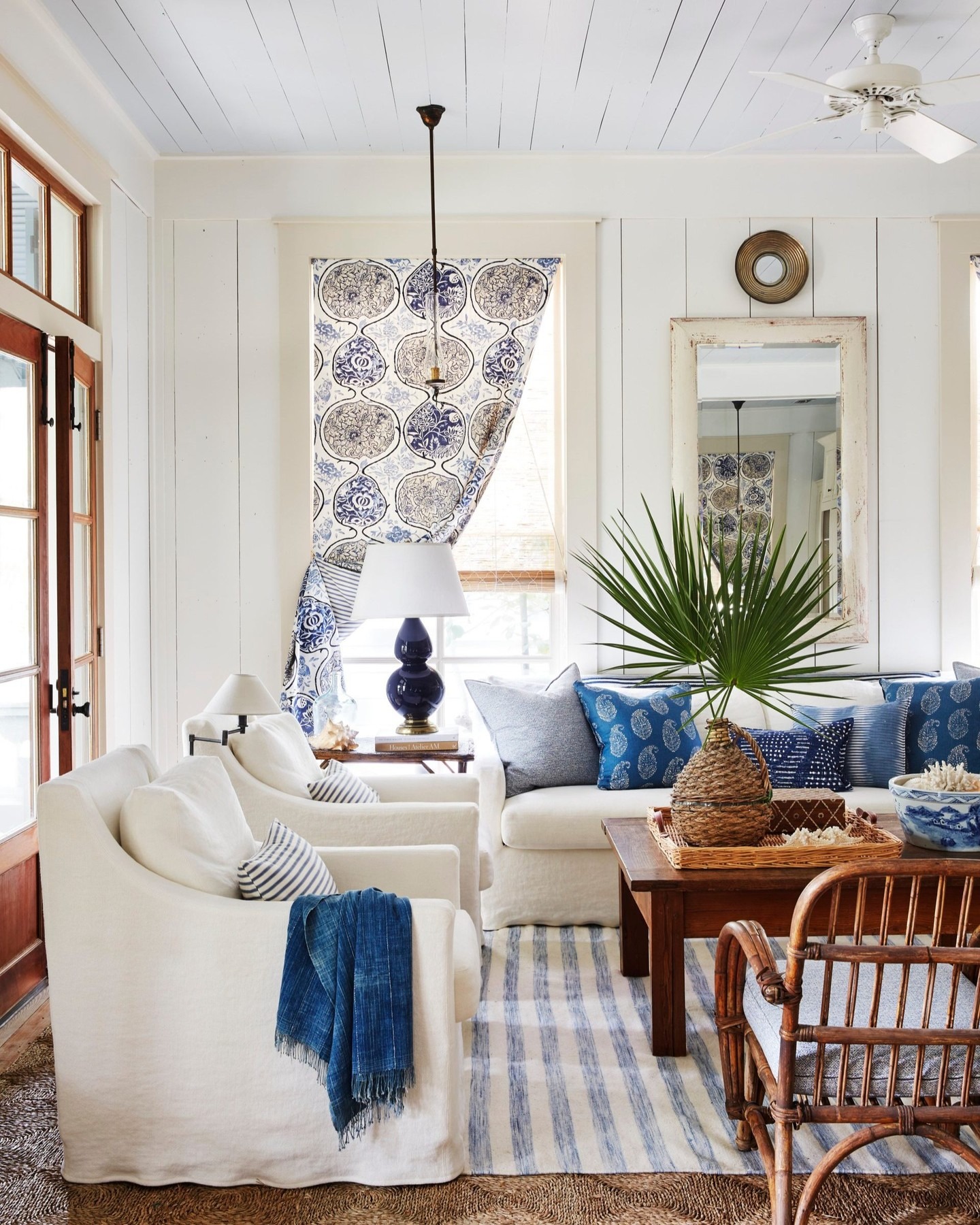
Market analysis from the International Interior Design Association (IIDA) suggests that the demand for natural fiber furnishings—including linen, sisal, and rattan—has seen a 12% year-over-year increase as of 2024. These materials are not merely decorative; they serve as the structural backbone of the coastal look. Linen provides a breathable, soft-touch surface for upholstery, while sisal and seagrass offer durable, high-relief flooring options that ground a room’s lighter elements.
Historical Evolution and Regional Variations
The chronology of coastal design can be traced back to the late 19th-century summer colonies of the American Northeast and the aristocratic retreats of the French Riviera. However, the 21st-century iteration is far more diverse, adapting to the specific light and cultural contexts of its environment.
The Scandinavian Coastal Model
In Northern Europe, the coastal style merges with "Hygge" principles. This version prioritizes blonde woods, such as ash and white oak, and emphasizes clean, functional lines. The goal is to maximize the limited natural light available in higher latitudes, using reflective surfaces and a "less is more" approach to furniture.
The American Hamptons Standard
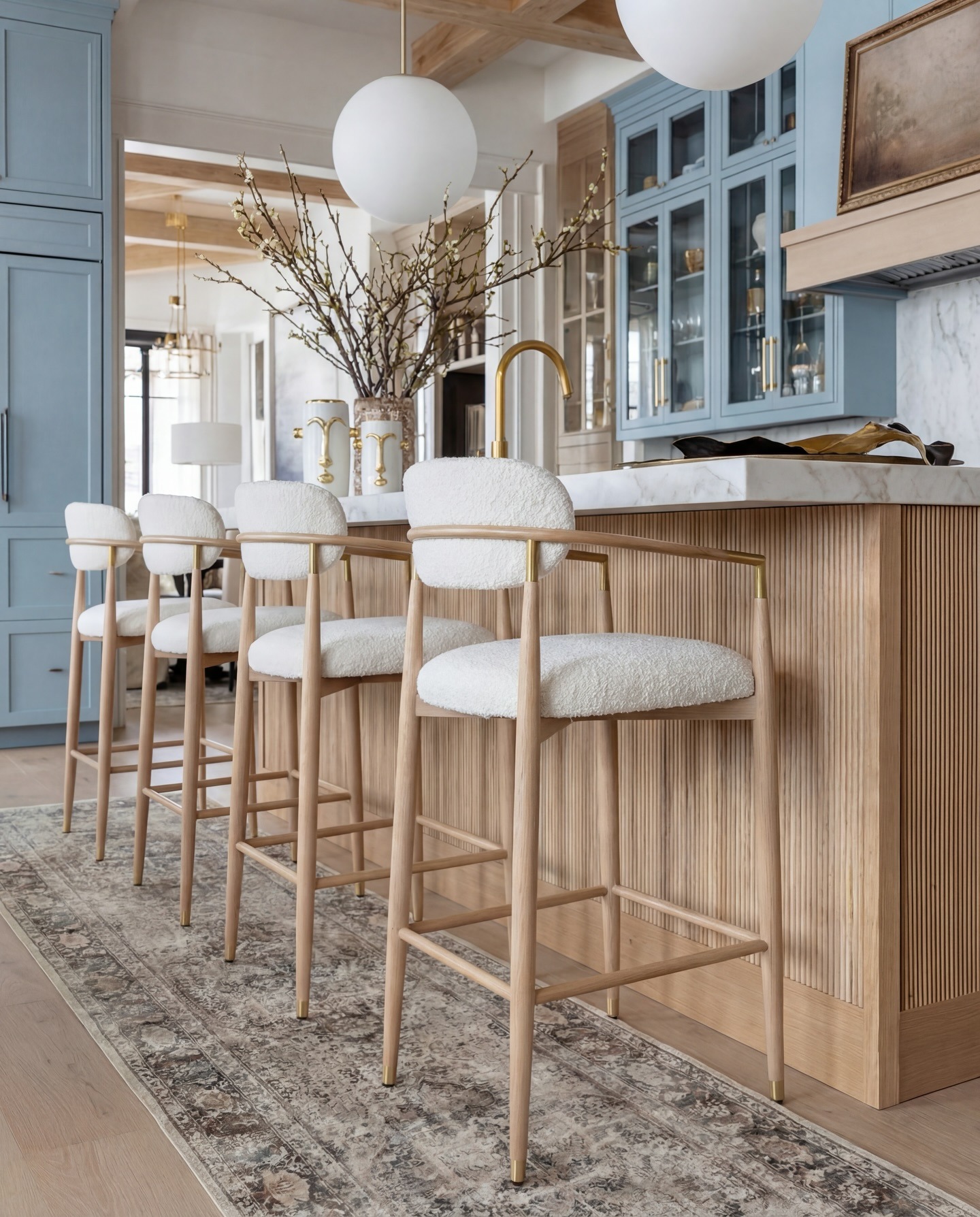
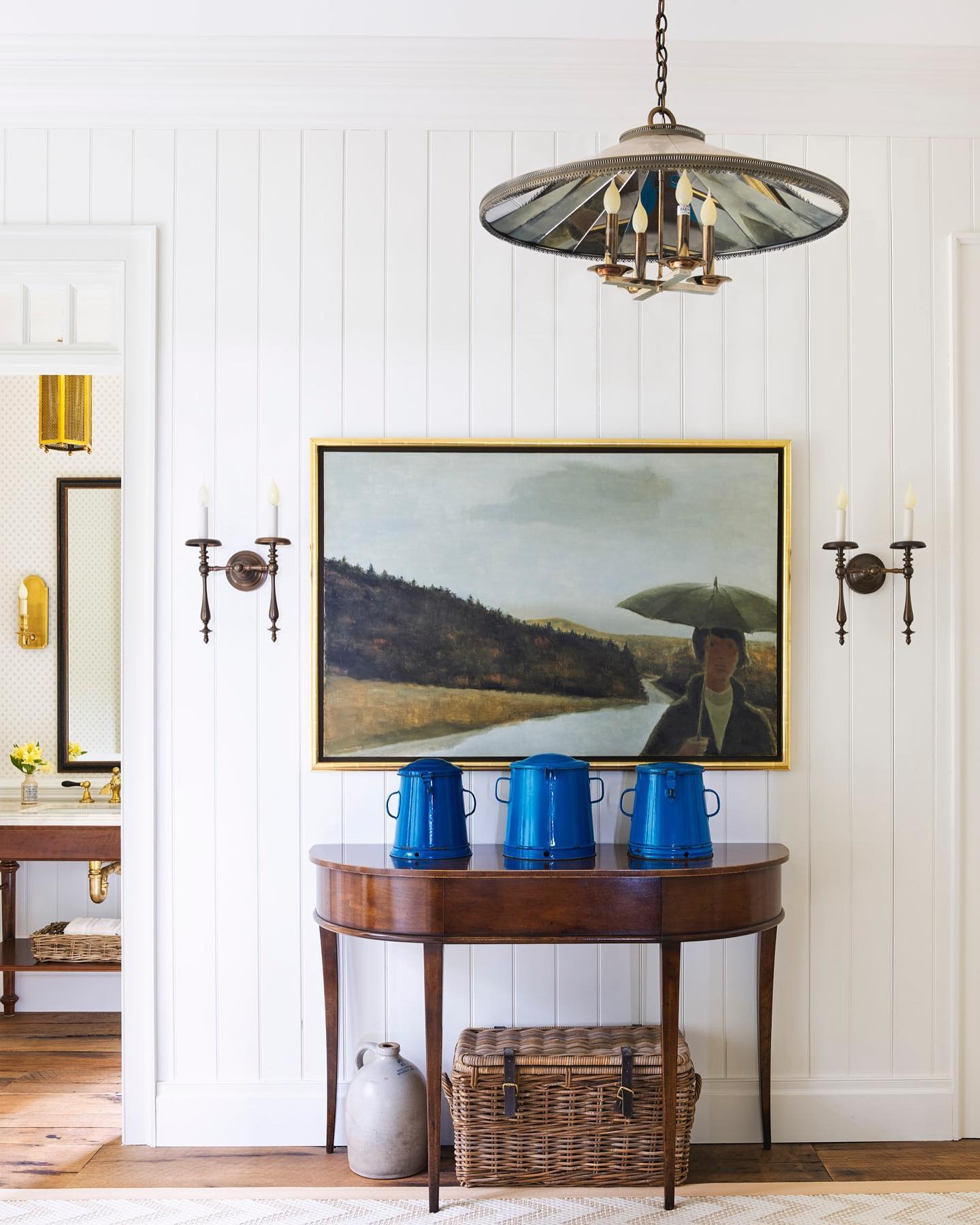
Perhaps the most recognizable globally, the Hamptons style is characterized by opulence and traditional architectural details. Key elements include shiplap wall paneling, blue-and-white porcelain accents, brass hardware, and oversized slipcovered sofas. This version focuses on a "polished" seaside look that incorporates antiques and formal symmetry.
The Mediterranean Coastal Influence
The Southern European approach is decidedly more rustic and earth-bound. It utilizes sun-baked textures, terracotta flooring, raw timber ceiling beams, and heavy lime-washed walls. The color palette shifts toward ochre, dusty greens, and deep terracottas, reflecting the heat and history of the Mediterranean basin.
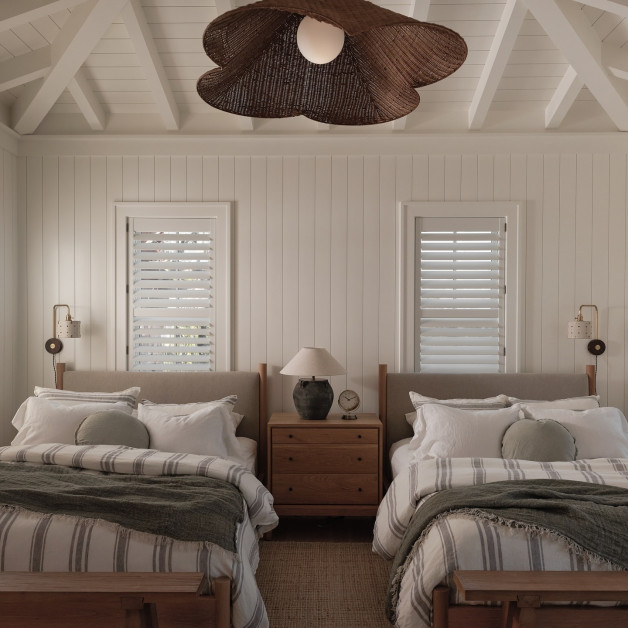
Coastal versus Country: A Comparative Analysis
While coastal and country (provincial) styles share a lineage rooted in natural materials and artisanal textures, their atmospheric goals differ significantly. A country interior is typically denser, characterized by robust wooden furniture, earthy tones, and a "cocooning" effect. It is a style designed for warmth and protection against the elements.
In contrast, the coastal style is inherently "airy." Even when utilizing heavy materials like oak or stone, the arrangement and color theory applied in coastal design focus on "breathability." Interior architects note that while a country kitchen might feature dark cabinetry and copper pots to create a sense of hearth-centric tradition, a coastal kitchen will utilize open shelving, light-colored stone, and glass-fronted cabinets to maintain a visual connection with the horizon and the sky.
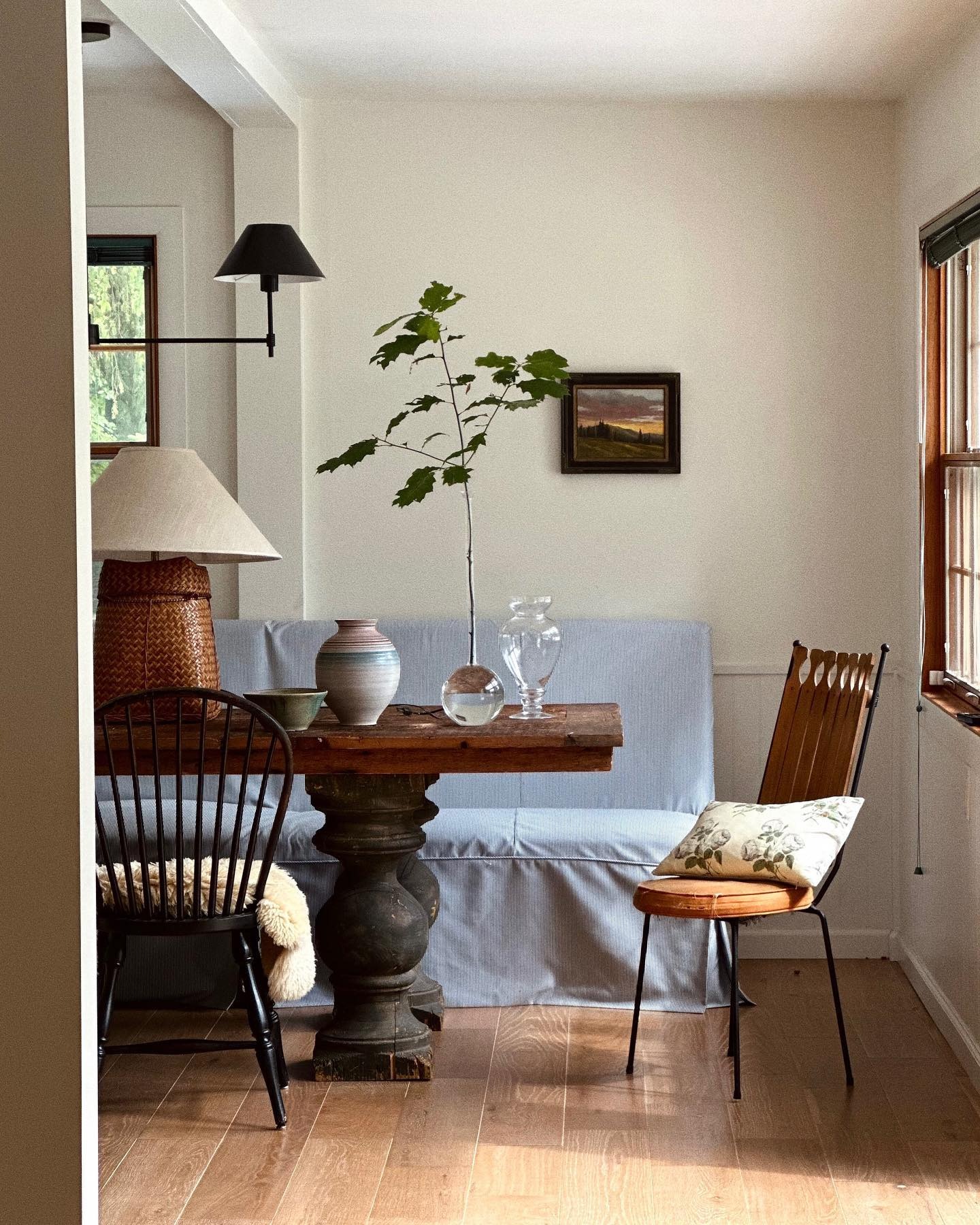
Strategic Implementation: A Guide to Sophisticated Coastal Living
Designing a coastal space requires a departure from literal themes. Experts warn against the "theme park" trap, where an overabundance of anchors, shells, and nautical ropes can devalue the architectural integrity of a home. Instead, a successful interior follows a set of professional guidelines focused on nuance and quality.
1. Establishing a Design Narrative
The first step in a coastal renovation is determining the specific "mood" of the coast. An urban apartment in a city like Antwerp or London requires a different approach than a villa in Knokke or a farmhouse in the interior. The narrative should be based on how light interacts with the space rather than a desire to replicate a specific beach.
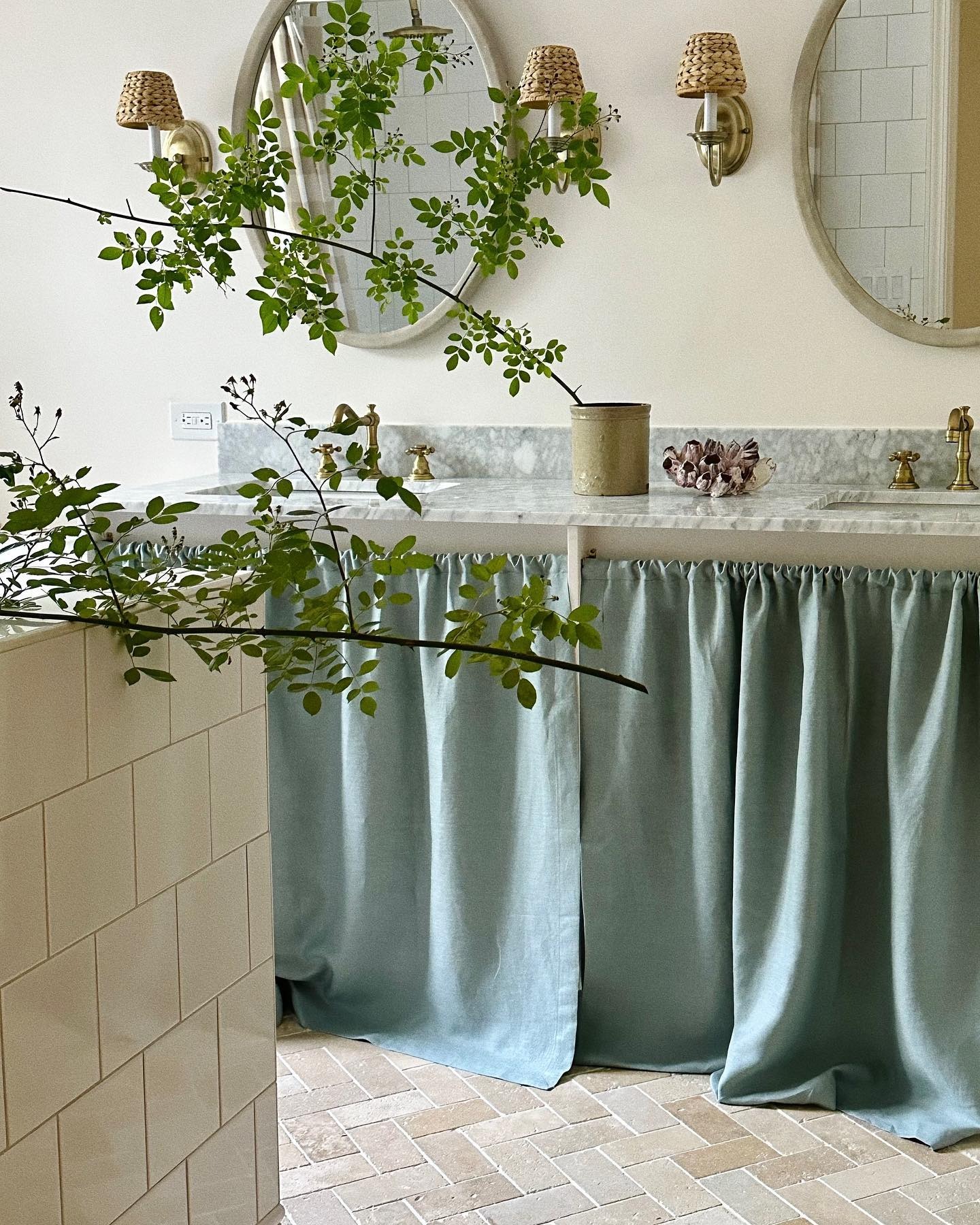
2. Chromatic Depth and Natural Nuances
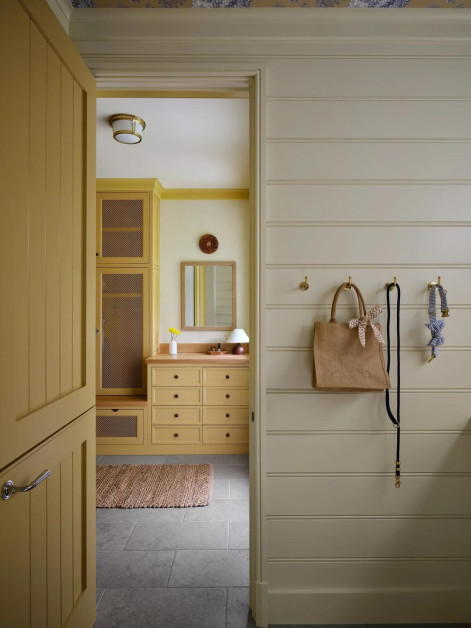
While the classic blue-and-white pairing remains a staple, professional designers are increasingly moving toward a more complex "neutral-plus" palette. This involves using shades of sand, chalk, oat, and cloud grey as the primary base. Secondary colors such as bottle green, denim, butter yellow, and terracotta are used to provide depth.
Importantly, designers must account for the "quality of light" in their specific region. In Northern latitudes, pure white can appear blue-toned and cold. To counter this, professionals recommend "warm whites" or ecru, which maintain the brightness of the space while adding a necessary layer of visual warmth.
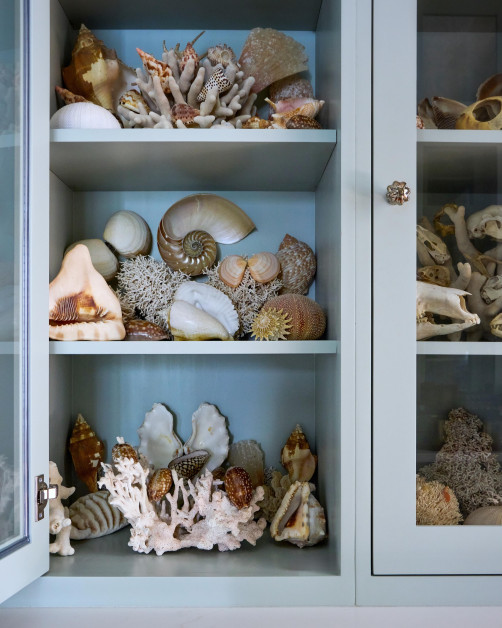
3. Materiality and Structural Contrast
The success of a coastal room lies in the interplay of surfaces. A common mistake is the over-use of a single texture, such as having too much wicker in one area. The "Secret of Contrast" involves pairing raw, matte surfaces with smooth, reflective ones.
- Pairing Examples: A rough sisal rug placed under a sleek, contemporary sofa; a raw wood dining table set against smooth ceramic vases; or lime-washed walls accented by polished brass or opaline glass lighting fixtures.
4. Pattern Management
Patterns should be used to provide rhythm rather than to dominate. While stripes are synonymous with the maritime aesthetic, they should be balanced with solids and organic prints. Delicate gingham, botanical sketches, or subtle block prints can add personality without clashing. In smaller spaces, such as powder rooms or guest bedrooms, bolder wallpapers can be used to create a "jewel box" effect, proving that the coastal style can handle high-impact visuals when properly contained.
5. Light Circulation and Spatial Perspectives
In coastal design, the window is the most important "piece of furniture." The treatment of apertures determines the success of the entire aesthetic. Light-filtering linen sheers or woven wood shades are preferred over heavy drapery, as they soften the sunlight without blocking the view or the airflow.
Furthermore, artificial lighting must be layered to avoid the "flatness" often found in modern renovations. A sophisticated coastal lighting plan includes:
- Ambient: Warm-toned pendants made of natural fibers.
- Task: Brass or ceramic lamps for reading nooks.
- Accent: Low-level lighting on consoles to highlight textures.
Broader Implications: Sustainability and Mental Well-being
The rise of coastal design is closely linked to the growing field of environmental psychology. Studies have shown that "Blue Space" (environments near water) and their indoor equivalents can significantly lower cortisol levels and improve cognitive function. By bringing elements of the coast indoors—such as the sound of air moving through linen or the sight of natural wood grains—homeowners are creating "restorative environments."
From a sustainability perspective, the coastal style is inherently eco-friendly. The reliance on rapidly renewable materials like jute, rattan, and linen reduces the carbon footprint associated with synthetic furniture production. Furthermore, the "timeless" nature of the aesthetic discourages the "fast furniture" cycle, as high-quality natural pieces tend to age gracefully, developing a patina that adds to their value over time.
Conclusion: The Future of the Coastal Aesthetic
As urbanization continues to increase, the desire for "coastal" interiors is expected to grow as a counter-measure to the density of city living. The style is evolving toward "Coastal Minimalism," a hybrid that combines the warmth of the seaside with the efficiency of modern design.
The ultimate goal of a coastal interior is not to convince the occupant they are at the beach, but to provide the mental clarity and physical comfort that the beach represents. By focusing on light, air, and organic integrity, homeowners can transform any dwelling into a sanctuary that transcends its geographic location. Through careful selection of materials and a disciplined approach to decoration, the coastal style offers a blueprint for a more serene, light-filled way of life.