The Science of Summer Hair Care Strategies to Prevent Damage and Discoloration from UV Exposure and Pool Chemicals

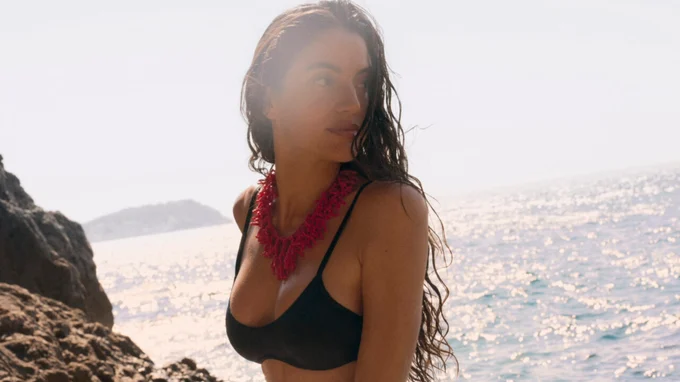
The arrival of the summer holiday season brings a unique set of environmental challenges for hair health, particularly for those with chemically treated or naturally light-colored locks. While the combination of sun, sea, and chlorinated pool water is a staple of the vacation experience, these elements represent a triple threat to the structural integrity and aesthetic quality of human hair. Understanding the biochemical reactions involved in hair damage is essential for effective prevention. When hair is exposed to intense ultraviolet (UV) radiation, the radiation acts as a catalyst for the oxidation of hair pigments and the degradation of the protein structure. This process, often referred to as "photo-bleaching," strips the hair of its natural moisture and compromises the cuticle—the outermost protective layer of the hair shaft. As the cuticles lift and become damaged, the hair loses its ability to retain hydration, leading to a texture that is rough, brittle, and prone to "trichoptilosis," or split ends.
The impact of salt water and chlorine further exacerbates these issues. Sodium chloride in seawater draws moisture out of the hair through osmosis, leaving the strands dehydrated and prone to tangling. Chlorine, a powerful oxidizing agent used to sanitize swimming pools, is even more aggressive. It strips away the sebum—the natural oils that coat and protect the hair and scalp—resulting in significant dryness and potential scalp irritation. For individuals with blonde, grey, or bleached hair, the most dreaded side effect of pool immersion is the development of a distinct greenish tint. Contrary to popular belief, this is not caused by chlorine alone, but by the oxidation of hard metals—specifically copper—present in the water, which then binds to the protein in the hair shaft. Professional stylists, including Nina Waghemans, owner of the Che-Veux salon in Leuven, emphasize that once this green discoloration occurs, it is notoriously difficult to reverse without professional intervention.
The Chronology of Protective Hair Care: Pre-Vacation Planning
Effective hair protection begins long before the traveler reaches the beach or the pool. The timing of professional salon visits is a critical factor in maintaining hair health during the summer months. Industry experts generally advise against undergoing intensive color treatments or chemical bleaching immediately before a sun-heavy vacation. Nina Waghemans notes that "especially for blondes, I recommend against having a color treatment just before the holidays. Sun, chlorine, and salt water cause the color to fade faster, dry out the hair, and increase the chance of a green glow."
The logic behind this recommendation lies in the porosity of the hair. Freshly colored or bleached hair has a more open cuticle structure, making it highly susceptible to the leaching of pigment and the absorption of environmental pollutants. Ideally, chemical treatments should be scheduled at least two to three weeks prior to departure. This "buffer period" allows the hair’s pH levels to stabilize and the cuticles to flatten, providing a more robust defense against UV rays and salt. Furthermore, a pre-vacation trim is recommended to remove existing split ends, which would otherwise travel further up the hair shaft when exposed to the dehydrating effects of the sun.
Advanced Preventative Measures: The Role of Leave-In Treatments
A primary defense mechanism against environmental stressors is the application of leave-in conditioners and specialized UV-protection sprays. Unlike traditional rinse-out conditioners, leave-in formulas are designed to remain on the hair, creating a microscopic barrier that shields the cortex from external damage. Waghemans advocates for the year-round use of leave-in products, but highlights their necessity during the summer. Modern formulations often include UV filters that absorb or reflect harmful radiation, similar to how sunscreen protects the skin.
For hair that has already sustained some level of damage, products enriched with proteins are particularly beneficial. Proteins, such as keratin or silk amino acids, serve as the foundational building blocks of the hair fiber. While topical applications cannot permanently "heal" a dead structure like the hair shaft, they can temporarily fill in the gaps and cracks in a damaged cuticle. This process improves the hair’s tensile strength and creates a smoother surface, which reduces friction and the likelihood of breakage. By maintaining a consistent regimen of protein and moisture, travelers can significantly mitigate the "weathering" effect of the summer climate.
On-Site Protection Strategies: Managing Exposure at the Beach and Pool
Once on vacation, the strategy shifts to active management of exposure. One of the most effective professional "hacks" for beach-goers involves the use of a deep-conditioning hair mask in place of traditional styling products. Many travelers opt for a "sleek bun" or tightly pulled-back hair to keep it out of their face; however, using standard styling gels can contribute to further drying. Waghemans suggests applying a nourishing hair mask to dry hair before styling it into a bun. Because dry hair is more porous than wet hair, it absorbs the moisturizing ingredients of the mask more effectively. This creates a saturated barrier that prevents salt water or chlorine from penetrating the hair shaft.
However, the timing of this application is crucial. Stylists warn against entering the water immediately after applying a mask, as the product will simply wash away and contribute to water pollution. Instead, the mask should be allowed to sit and "set" throughout the day, providing a continuous treatment that can be rinsed out in the evening. This method transforms a day of sun exposure into an intensive conditioning session. Additionally, the choice of hair accessories plays a role in mechanical damage. Traditional elastic bands can cause significant friction and breakage, particularly when the hair is dry and brittle. The use of large hair clips or "scrunchies" made of silk or microfiber is recommended to reduce tension on the hair follicles.
Physical Barriers and the Rise of "Hair Sunscreen" Data
While chemical barriers are effective, physical barriers remain the gold standard for protection. The resurgence of the sun hat as a fashion staple aligns with dermatological and trichological recommendations. Wide-brimmed hats provide 100% UV blockage for the hair and, perhaps more importantly, protect the scalp from sunburn. The scalp is a common site for skin cancers, yet it is often overlooked in traditional sun protection routines. For those engaging in active swimming, the use of a silicone swim cap—potentially combined with a layer of conditioner underneath—is the most effective way to prevent the dreaded "green hair" phenomenon.
Supporting data from the global beauty industry reflects an increasing consumer awareness of these issues. Market research indicates that the "sun care for hair" segment has seen a compound annual growth rate (CAGR) of over 6% in recent years. Consumers are moving away from generic shampoos toward "after-sun" formulations that specifically target the removal of salt, sand, and chlorine residues. These specialized cleansers often utilize chelating agents—ingredients designed to bind to and remove heavy metals like copper before they can cause discoloration.
Broader Implications for the Professional Beauty Industry
The impact of summer hair damage extends beyond aesthetics, influencing consumer spending and salon service trends. Salons often report a surge in "recovery" bookings in the late summer and early autumn, as clients seek professional treatments to rectify the effects of vacation-induced damage. This has led to the development of more sophisticated in-salon bond-building treatments that work at a molecular level to reconnect broken disulfide bonds within the hair.
From a broader perspective, the conversation around summer hair care is also intersecting with environmental sustainability. As more travelers become aware of the impact of cosmetic chemicals on marine ecosystems—specifically coral reefs—there is a growing demand for "reef-safe" hair protection. Brands are increasingly formulating UV sprays and masks without oxybenzone or octinoxate, ensuring that the protection of the individual does not come at the expense of the environment.
In conclusion, the preservation of hair health during the summer requires a multi-faceted approach involving chemical protection, physical barriers, and strategic timing. By understanding the interaction between UV radiation, oxidized metals, and the hair’s protein structure, individuals can enjoy the benefits of a summer holiday without sacrificing the longevity of their hair color or the health of their tresses. As Nina Waghemans and other industry leaders suggest, the key lies in prevention: "Green hair is not something you can just get rid of," making the proactive use of masks, leave-ins, and hats an essential component of any travel itinerary. Through informed care and the use of modern hair science, the "panicked" realization of ruined summer hair can become a thing of the past.