From Antwerp to Hollywood: The Unstoppable Global Influence of Belgian Fashion Design

Belgium has long been characterized by a certain national modesty, a quiet disposition that often belies the country’s outsized influence on the global stage. While the nation is geographically small, it serves as the administrative heart of the European Union and maintains a world-leading presence in sectors ranging from biotechnology and nano-electronics to scientific research and chip technology. This penchant for excellence extends deeply into the cultural sphere, where the legacy of the Flemish Primitives and the surrealism of René Magritte have paved the way for modern icons like Stromae, Angèle, and Charlotte de Witte. However, perhaps no industry illustrates Belgium’s international weight more vividly than the world of high fashion. For decades, Belgium has functioned as an incubator for avant-garde talent, producing designers who do not merely follow trends but fundamentally redefine the aesthetic landscape of the global luxury market.
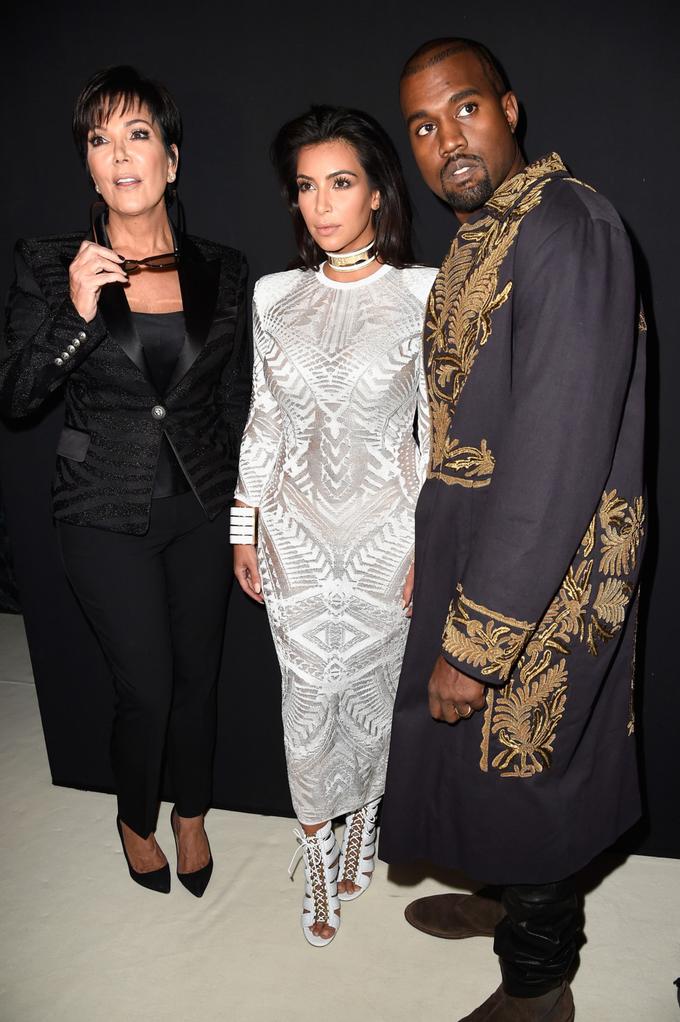
Today, the creative direction of some of the most storied fashion houses in history—including Chanel, Versace, Saint Laurent, and Prada—is steered by Belgian hands or those trained in the Belgian tradition. This phenomenon is not accidental; it is the result of a rigorous educational infrastructure and a historical turning point that occurred nearly forty years ago. From the red carpets of the Academy Awards to the high-concept stages of the Met Gala, the "Belgian touch" has become the preferred choice for Hollywood’s elite, including Rihanna, Zendaya, Dua Lipa, and Kim Kardashian.
The Genesis of Influence: The Antwerp Six and the 1980s Revolution
The ascent of Belgian fashion onto the international map can be traced back to a singular, transformative moment in the mid-1980s. In 1986, a group of six graduates from the Royal Academy of Fine Arts in Antwerp rented a van and drove to London to showcase their collections. This collective—comprised of Dries Van Noten, Ann Demeulemeester, Walter Van Beirendonck, Dirk Bikkembergs, Dirk Van Saene, and Marina Yee—became known as the "Antwerp Six." Their work was characterized by a radical departure from the glitz and excess of 1980s fashion, favoring deconstruction, intellectualism, and a dark, poetic sensibility.

The success of the Antwerp Six fundamentally altered the perception of Belgium within the industry. It proved that a country without a traditional "haute couture" history could produce world-class designers. This era also saw the rise of Martin Margiela, often referred to as the unofficial seventh member of the group. Margiela’s work at his eponymous house, Maison Margiela, introduced the concept of "anti-fashion," focusing on exposed seams, recycled materials, and the anonymity of the designer—principles that continue to influence contemporary fashion houses today.
The Educational Pillars: Antwerp and Brussels
The sustained success of Belgian fashion is rooted in its prestigious educational institutions. The Royal Academy of Fine Arts in Antwerp remains one of the most demanding and respected fashion schools globally. Its curriculum emphasizes individual artistic vision over commercial viability, forcing students to develop a unique "signature" before they ever enter the workforce.
In the southern part of the country, La Cambre in Brussels has established a parallel reputation for excellence. While Antwerp is often associated with the avant-garde and the conceptual, La Cambre is frequently praised for its focus on technical precision and a refined, sophisticated aesthetic. Together, these schools have produced a steady stream of talent that populates the upper echelons of the industry. Notable alumni include Anthony Vaccarello, the current creative director of Saint Laurent; Matthieu Blazy, who has revitalized Bottega Veneta; and Glenn Martens, the visionary leading both Diesel and his own label, Y/Project. Even international designers like Demna (Balenciaga) and Haider Ackermann sought out Belgian training to hone their craft, further cementing the country’s status as the world’s premier fashion laboratory.
A Dominant Presence in Global Luxury Houses
The current landscape of the fashion industry reveals an unprecedented concentration of Belgian influence at the helm of major luxury conglomerates. The appointment of Belgian designers to lead French and Italian houses is a testament to their versatility and deep understanding of brand heritage.
Raf Simons, who did not follow a traditional fashion education but transitioned from furniture design, represents one of the most significant success stories. His tenures at Jil Sander, Christian Dior, and Calvin Klein redefined modern minimalism and "youth culture" in high fashion. Currently, as the co-creative director of Prada alongside Miuccia Prada, Simons continues to influence the global fashion agenda. Similarly, Pieter Mulier, a long-time collaborator of Simons, has achieved critical acclaim as the creative director of Alaïa, where his focus on craftsmanship and sculptural form has been hailed as a return to the true essence of couture.
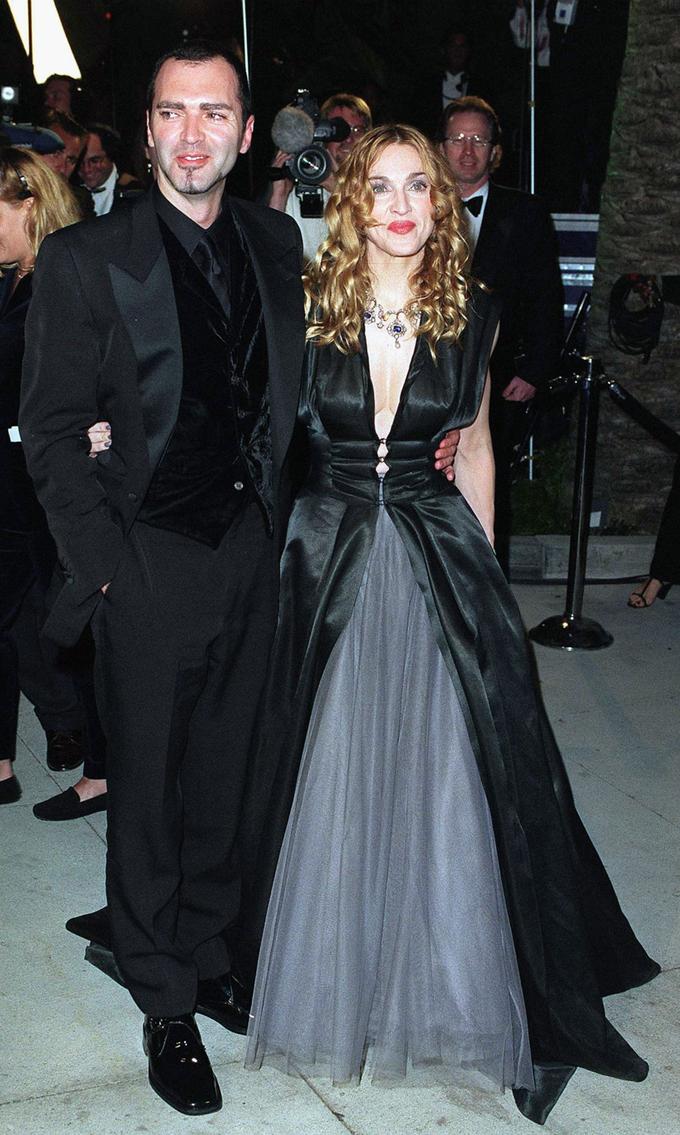
Other key figures include:
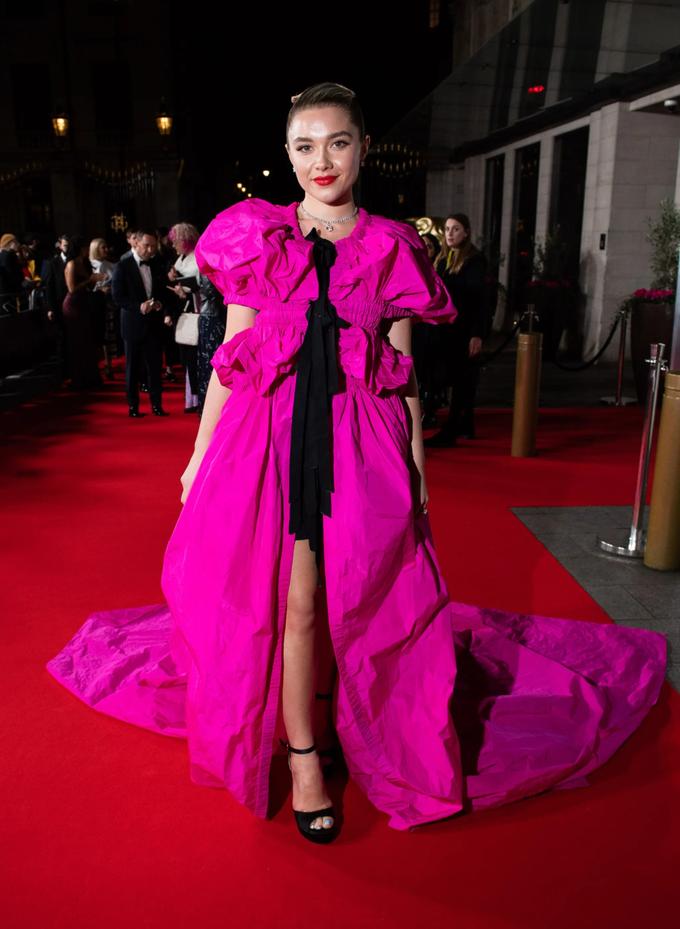
- Anthony Vaccarello: Since taking over at Saint Laurent, he has successfully balanced the house’s rock-and-roll heritage with a sharp, Belgian-inflected sensuality.
- Glenn Martens: At Diesel, Martens has executed one of the most successful brand turnarounds in recent history, transforming a heritage denim brand into a high-fashion powerhouse.
- Matthieu Blazy: An alumnus of La Cambre, Blazy’s work at Bottega Veneta has been lauded for its "quiet luxury" and obsessive attention to material innovation.
Hollywood’s Love Affair with Belgian Design
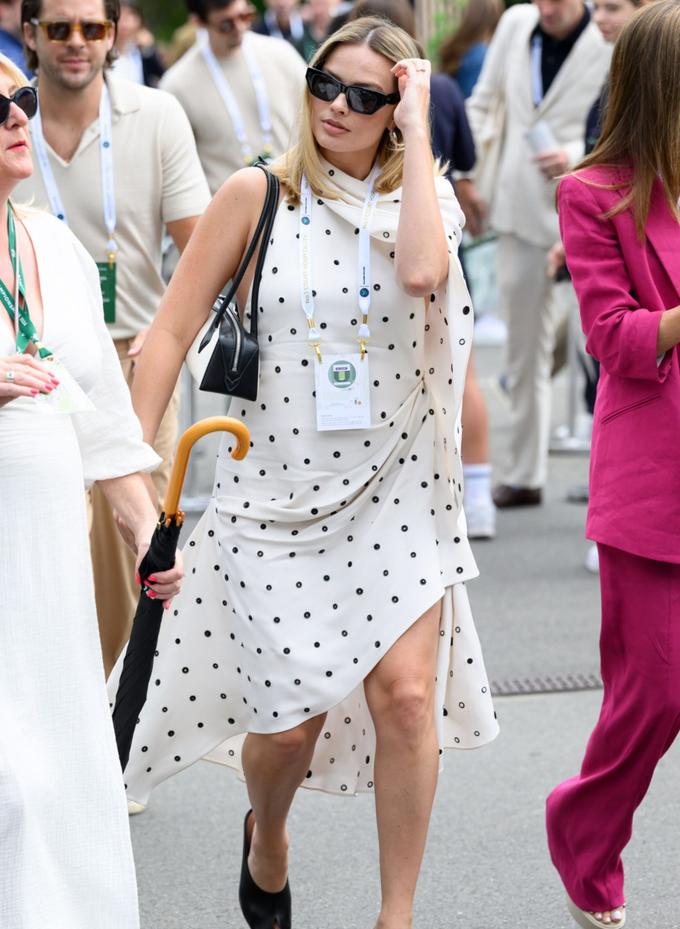
The intellectual depth and distinctive silhouettes of Belgian fashion have made it a staple for celebrities and their stylists who wish to project an image of sophisticated discernment. Unlike more overtly commercial brands, Belgian labels often carry a "connoisseur" status—wearing them signals an appreciation for design history and unconventional beauty.
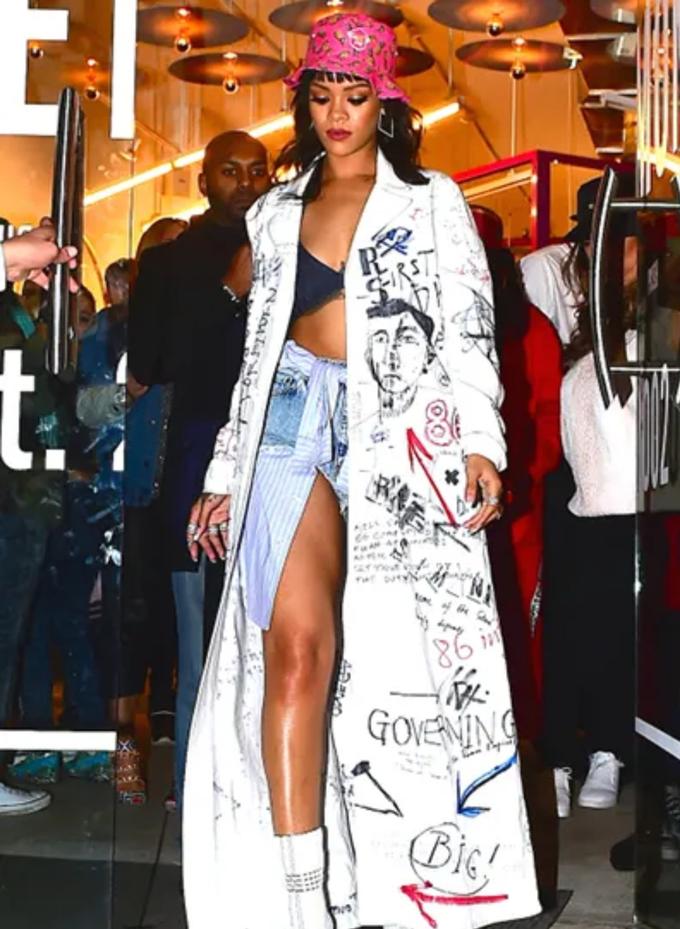
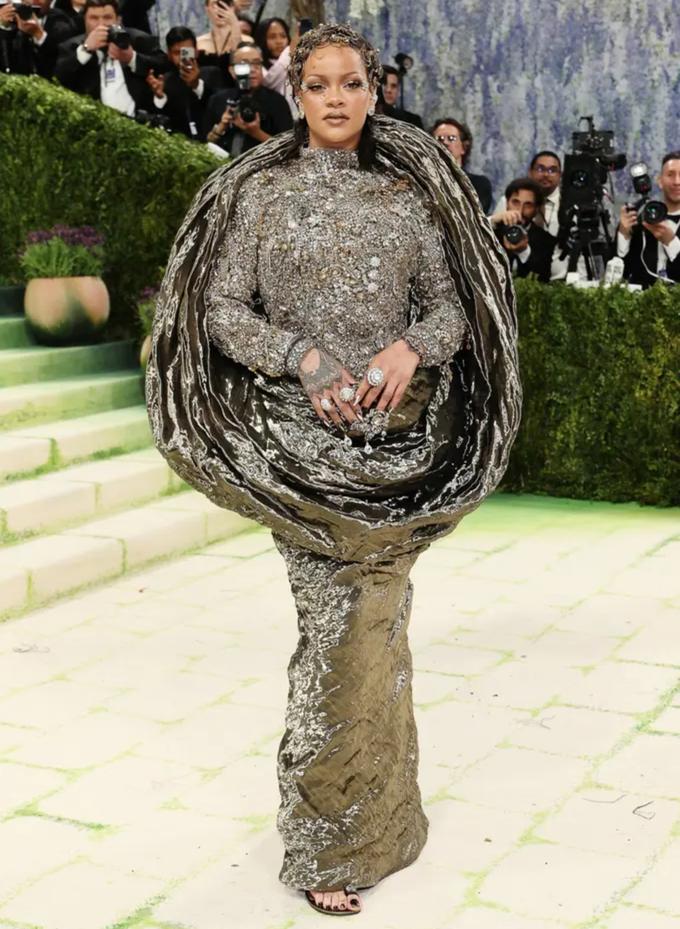
Rihanna has been a particularly vocal proponent of Belgian talent. From her choice of Glenn Martens for Maison Margiela at the 2026 Met Gala to her frequent appearances in Dries Van Noten mantles and Meryll Rogge "bloomers," the superstar utilizes the structural boldness of Belgian design to maintain her status as a fashion icon. Similarly, Zendaya has frequently turned to Pieter Mulier’s Alaïa for high-profile premieres, most notably during the Dune press tours, where the sculptural garments mirrored the film’s otherworldly aesthetic.
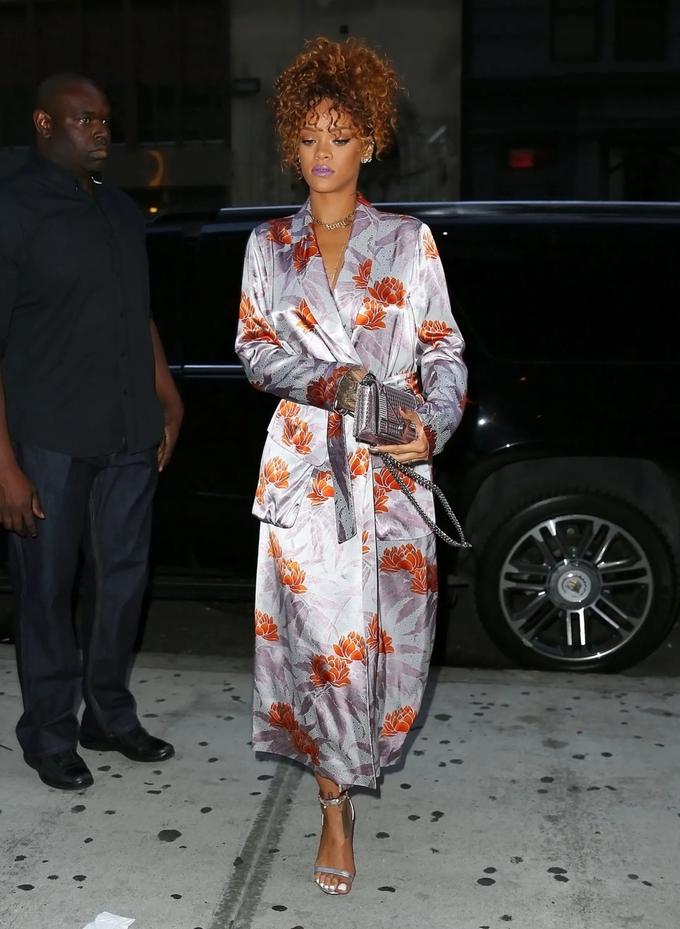
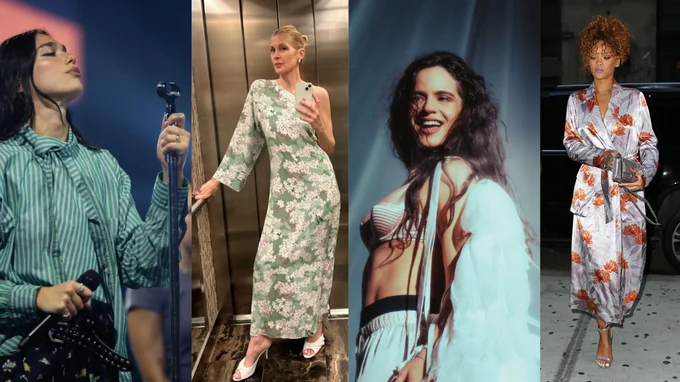
The appeal extends across generations and styles. Kelly Rutherford, known for her "Old Money" aesthetic, has become an unofficial ambassador for niche Belgian labels like Bernadette Antwerp, Rosie Antwerp, and Voort Studio. By frequently sharing these looks with her millions of followers, Rutherford highlights a shift in consumer interest toward smaller, quality-driven Belgian houses that offer an alternative to mass-produced luxury.
The New Guard: Niche Labels and Future Prospects
While the established giants continue to dominate, a new generation of Belgian designers is gaining international traction. These labels often operate on a more intimate scale, focusing on specific niches such as knitwear, floral prints, or experimental tailoring.
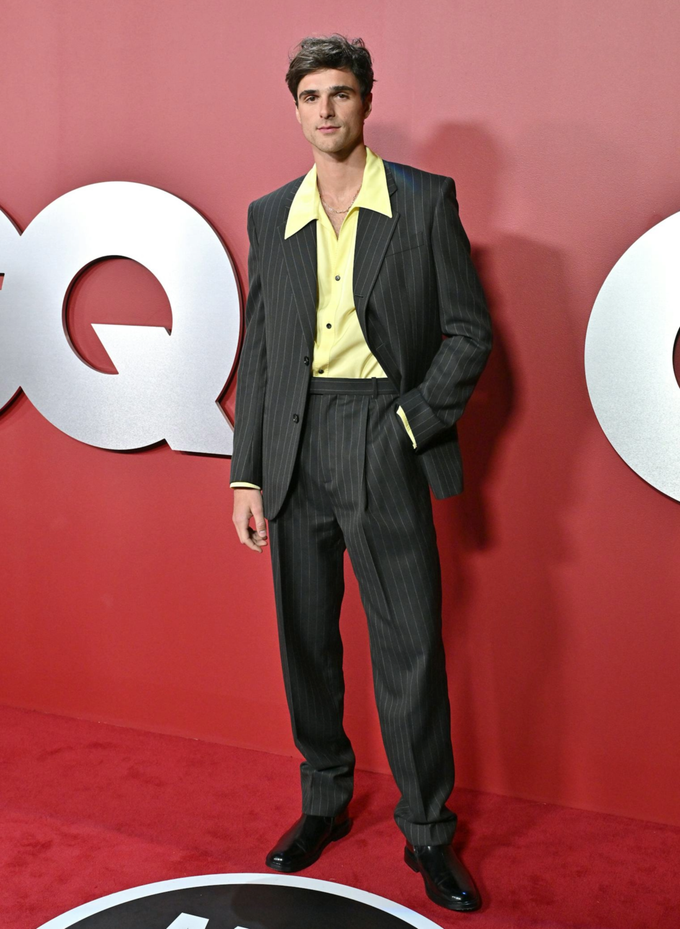
- Bernadette Antwerp: Founded by mother-daughter duo Bernadette and Charlotte de Geyter, the label is celebrated for its hand-drawn botanical prints and feminine silhouettes, becoming a favorite for garden parties and high-society events.
- Meryll Rogge: After working under Marc Jacobs and Dries Van Noten, Rogge launched her own label, which blends classic Americana with a quirky, Belgian sense of humor. Her "bloomers" have become a viral sensation, worn by both Dua Lipa and Rihanna.
- Julie Kegels: A rising star who has already caught the attention of Rosalía and Dua Lipa, Kegels represents the next wave of Antwerp-trained talent, blending technical skill with a fresh, youthful perspective.
- Marie Adam-Leenaerdt: A La Cambre graduate whose eponymous label focuses on the architecture of clothing, reimagining everyday items with extraordinary precision.
Economic and Cultural Implications
The success of Belgian fashion is not merely a matter of prestige; it is a significant economic driver. The industry provides thousands of jobs in design, logistics, and retail, particularly in fashion hubs like Antwerp and Brussels. Moreover, the "Designed in Belgium" label has become a potent marketing tool, synonymous with quality and intellectual rigor.
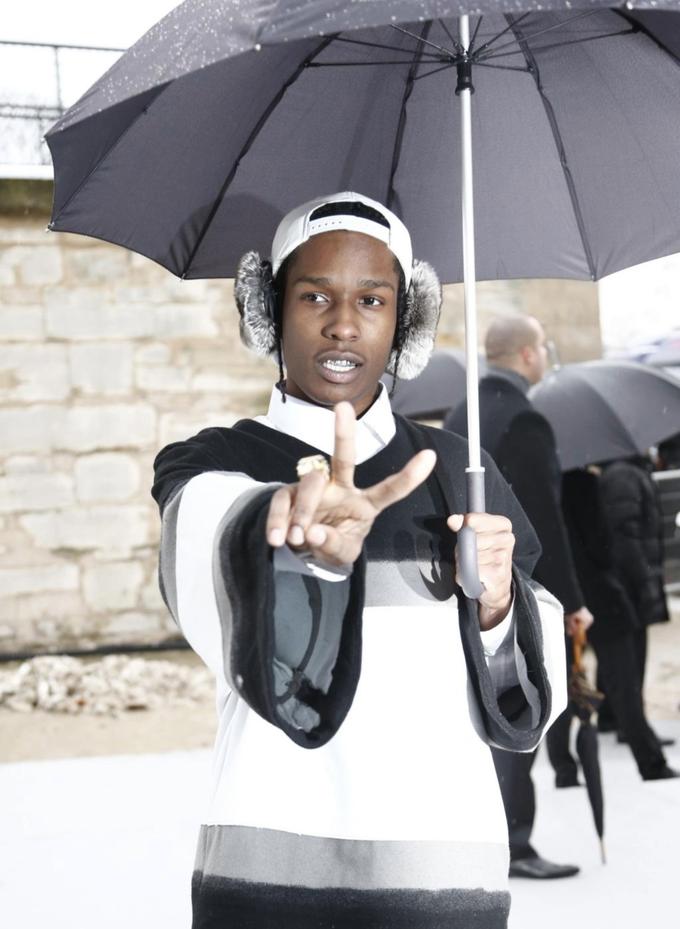
From a cultural standpoint, the dominance of Belgian designers helps to project "soft power" on the global stage. It challenges the traditional fashion hegemony of Paris, Milan, and New York, proving that creativity is not bound by the size of a nation’s population but by the strength of its creative ecosystem. The Belgian model—characterized by a strong emphasis on education, a respect for craftsmanship, and a willingness to embrace the unconventional—provides a blueprint for other small nations looking to make a global impact.

Conclusion: A Legacy of Quiet Excellence
As the fashion industry continues to evolve in the face of digital transformation and shifting consumer values, the Belgian influence remains a constant. The "modesty" mentioned at the outset of this analysis may remain a national trait, but the evidence of Belgium’s impact is undeniable. Whether through the massive global reach of a house like Saint Laurent or the cult following of a niche label like Voort Studio, Belgian designers have proven that they possess a unique ability to capture the zeitgeist.
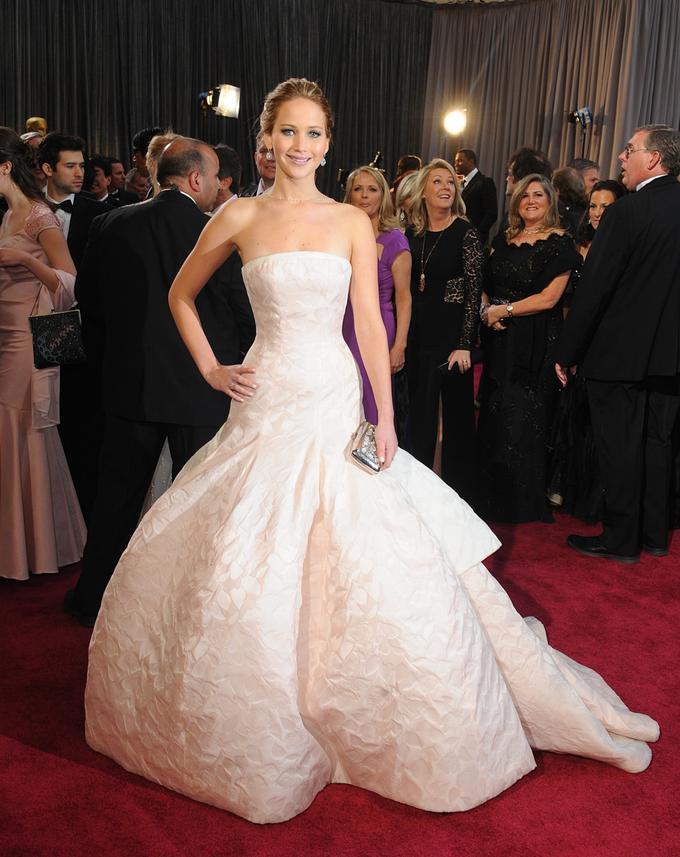
The celebrities who choose these designs—from Michelle Obama in Dries Van Noten to Jacob Elordi in Bottega Veneta—are not just wearing clothes; they are participating in a decades-long tradition of artistic rebellion and technical mastery. As long as the academies in Antwerp and Brussels continue to prioritize vision over trend, Belgium’s status as the world’s fashion powerhouse is secure. The country may be small, but its sartorial voice has never been louder.